Bolivia Customer Turns Sawdust Waste Into Biomass Briquettes with a Biomass Briquette Making Machine
For businesses working with wood every day, sawdust is often an unavoidable by-product. But what if this waste could become a new source of value?
A customer in Bolivia recently found an opportunity to make better use of the sawdust generated by his wood processing business and invested in a biomass briquette making machine to produce biomass fuel briquettes.
From Woodworking Waste to a New Business Opportunity
The customer owns a wood workshop and is mainly engaged in board production. During the manufacturing process, a considerable amount of sawdust is generated as waste.
Rather than allowing these wood residues to accumulate, the customer wanted to find another way to process them and develop an additional business project. After learning about biomass briquette production, he decided to use the available sawdust as raw material for making biomass fuel briquettes.
This made the biomass machine a suitable solution for turning an existing waste material into a useful fuel product.
Choosing the Right Biomass Briquette Making Machine
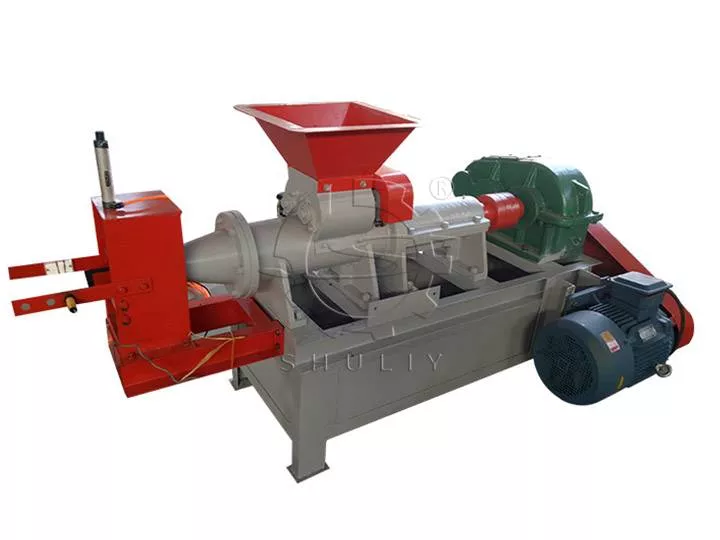
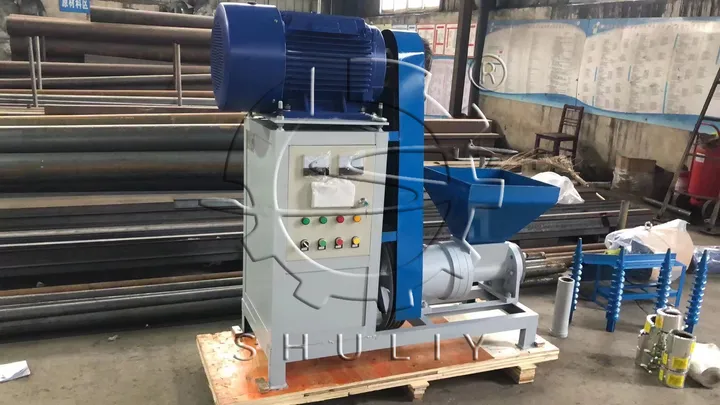
For this project, the customer purchased an SL-SB50 sawdust briquette machine with a capacity of approximately 300 kg/h and an 18.5 kW motor.
The machine was selected based on the customer’s need to process sawdust from his own wood workshop. Instead of purchasing additional raw materials, he could make use of the waste already generated during board production.
This provided two potential benefits: reducing the amount of sawdust requiring disposal while creating another product from the same production process.
Customized for the Bolivian Market
Because the customer’s local electrical conditions differ from those in China, the biomass briquette making machine’s voltage needs to be adjusted before delivery.
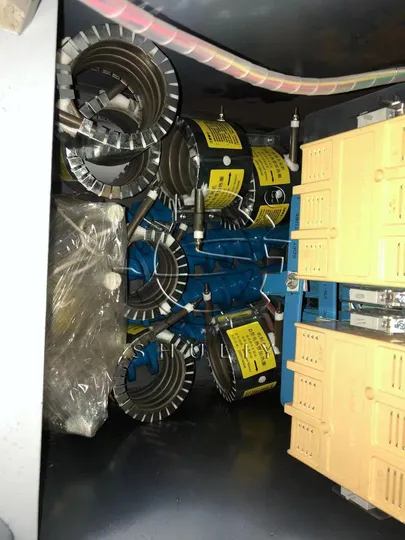
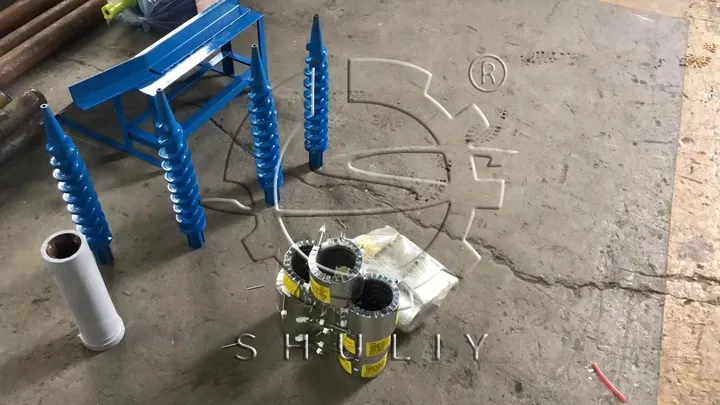
The customer also purchased additional wear parts, including two screws and six heating coils. Since screws and heating coils are consumable components that experience greater wear during operation, having spare parts available can help reduce potential downtime during future production.
An Urgent Order Before the Shipping Deadline
The customer was in a hurry because he wanted to catch a vessel scheduled for October 6. At the time, there was only a little more than one week before the planned shipping date, so delivery time became an important part of the purchasing decision.
Although the factory did not have a finished machine immediately available, the team confirmed the production schedule with the manufacturer and arranged the order to meet the customer’s requested shipping timeline.
This gave the customer greater confidence that the machine could be prepared in time for his planned shipment.
Careful Packaging Before Shipment
Before shipment, the biomass briquette making machine was carefully prepared for international transportation.
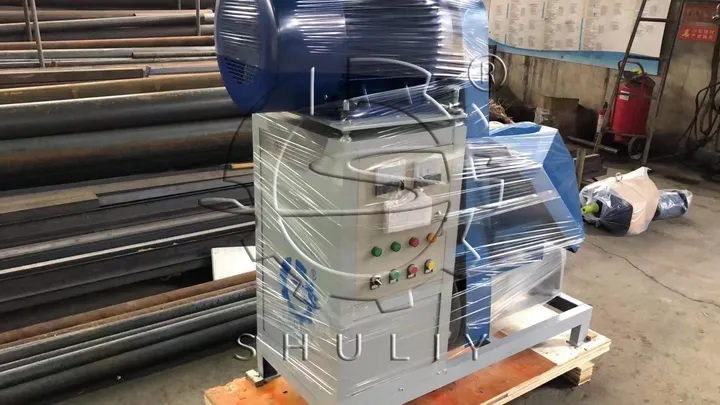
The main body of the machine was wrapped with protective plastic film to help keep dust, moisture, and other contaminants away during transit. The motor, control cabinet, and other exposed parts were also protected with wrapping material to reduce the risk of surface damage during handling.
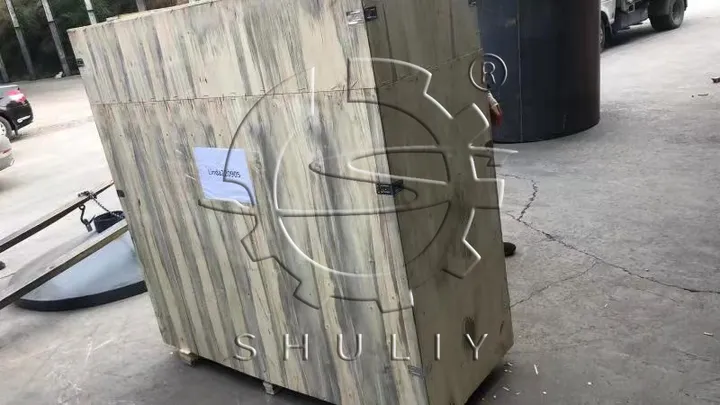
The machine was then securely fixed to the pallet to minimize movement during transportation. This packaging method helps keep the equipment in good condition while it travels from the factory to the customer’s destination in Bolivia
A Practical Solution for Wood Waste
For sawmills, furniture factories, board manufacturers, and other woodworking businesses that generate large quantities of sawdust, biomass briquette production can provide an additional way to utilize wood waste.
If you also have sawdust or other suitable biomass materials and are considering starting briquette production, contact us for a suitable biomass briquette making machine. We can recommend the appropriate machine configuration according to your raw materials, production requirements, and local power conditions.