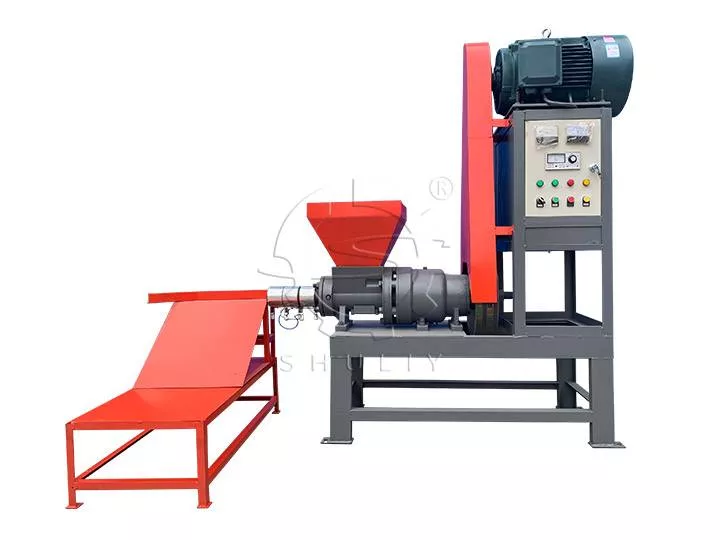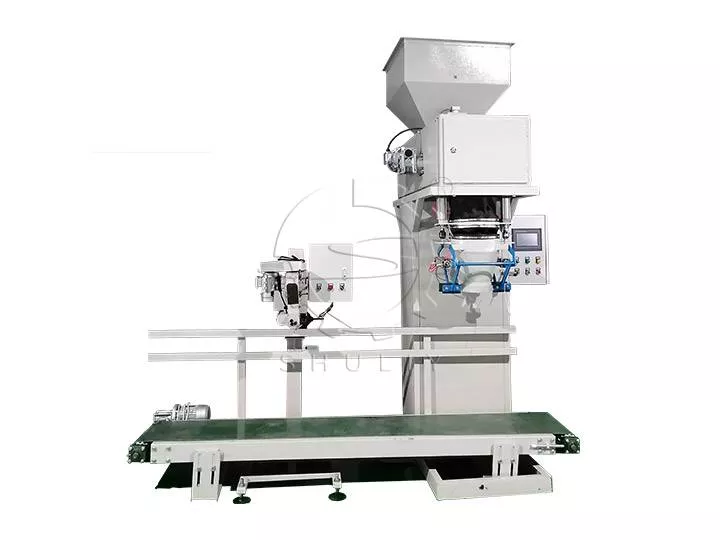
É um extrusor de briquetes rentável para combustível?
Com os custos de energia a aumentarem continuamente, várias indústrias procuram alternativas de combustível mais limpas, e pellets de combustível de biomassa feitos de serradura estão a atrair atenção generalizada no mercado. Permitem reutilizar resíduos de chips de madeira e também reduzir a poluição na produção.
Tem atraído muitos investidores com uma questão prática: É realmente rentável produzir pellets de combustível de biomassa usando máquinas de extrusão de briquetes? Ajudaremos a avaliar o valor comercial de investir em máquinas de pellets de serradura, examinando custos, aplicações, margens de lucro e procura de mercado.
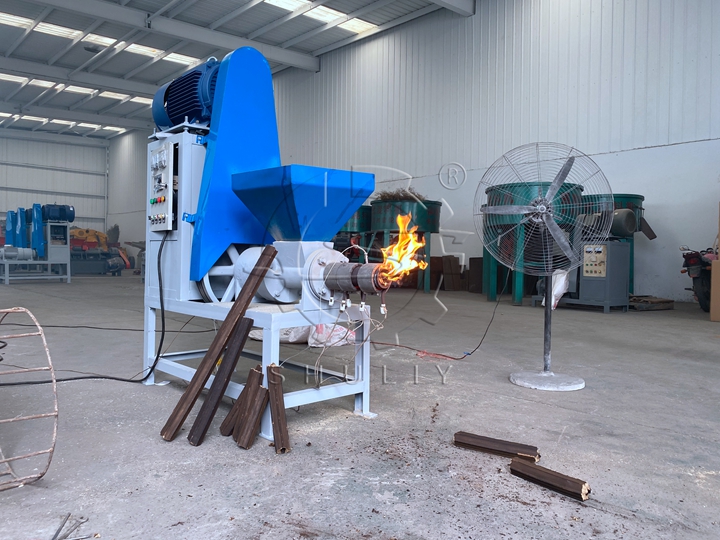
O que é um extrusor de briquetes?
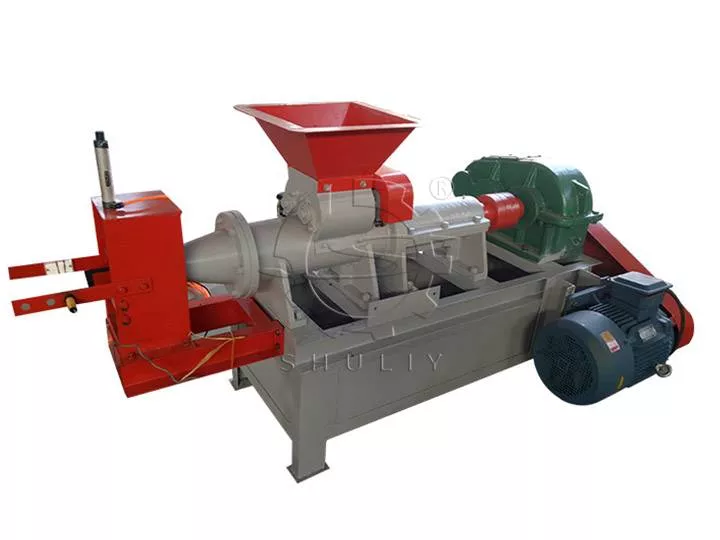
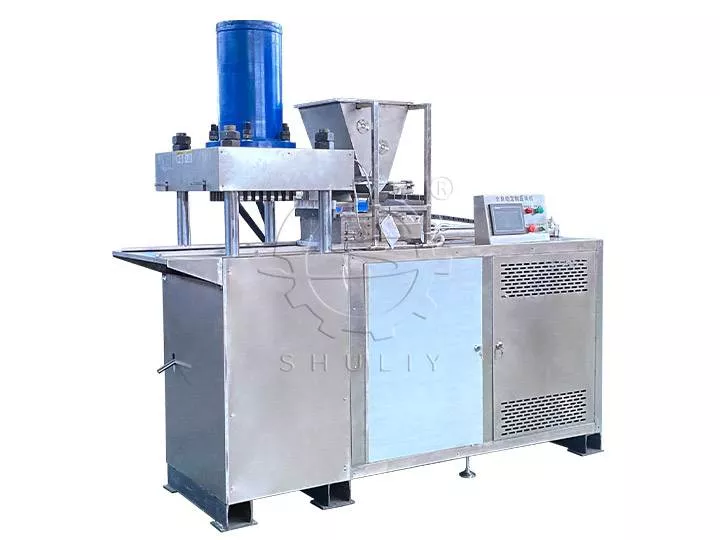
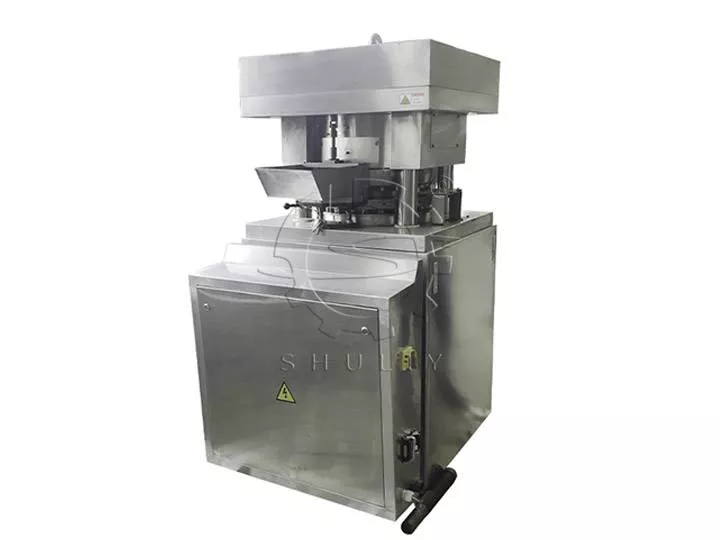
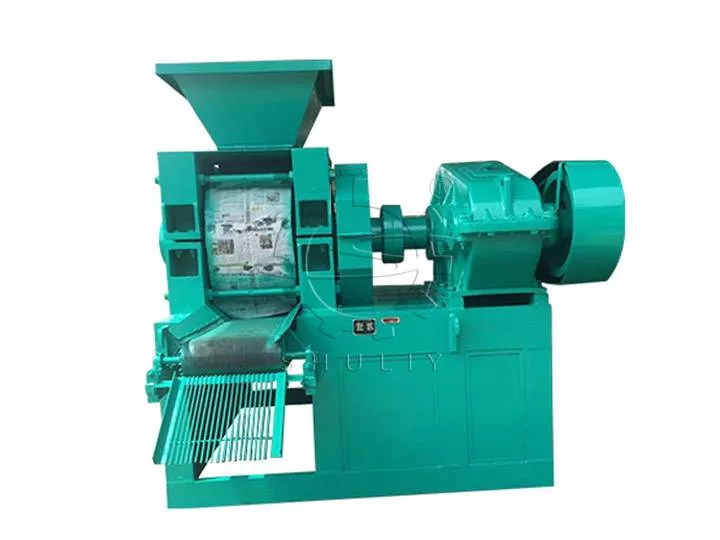
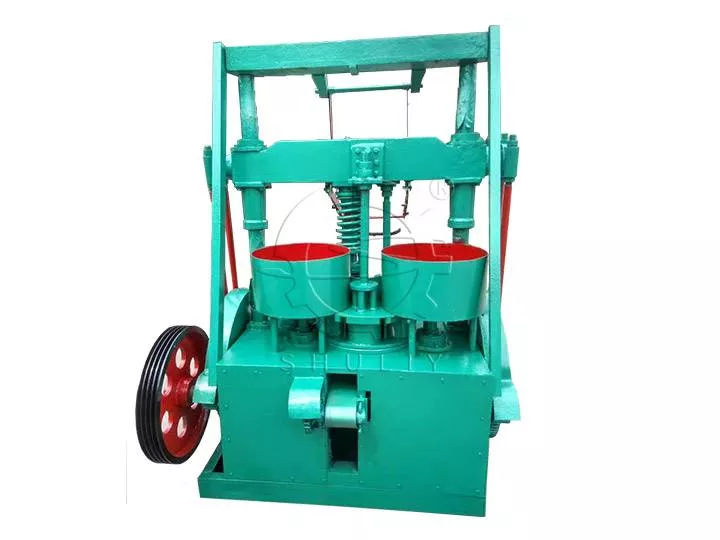
Uma máquina de briquetagem de serradura é uma máquina que comprime serradura e partículas finas de madeira sob alta pressão para formar blocos ou briquetes de biomassa de alta densidade. Os briquetes de madeira produzidos por este extrusor queimam de forma limpa, têm um tempo de queima prolongado e não causam poluição adicional.
Os blocos de madeira de biomassa processados podem ser amplamente utilizados como combustível para caldeiras industriais, matéria-prima para centrais de energia de biomassa ou como combustível de aquecimento para fábricas e oficinas.
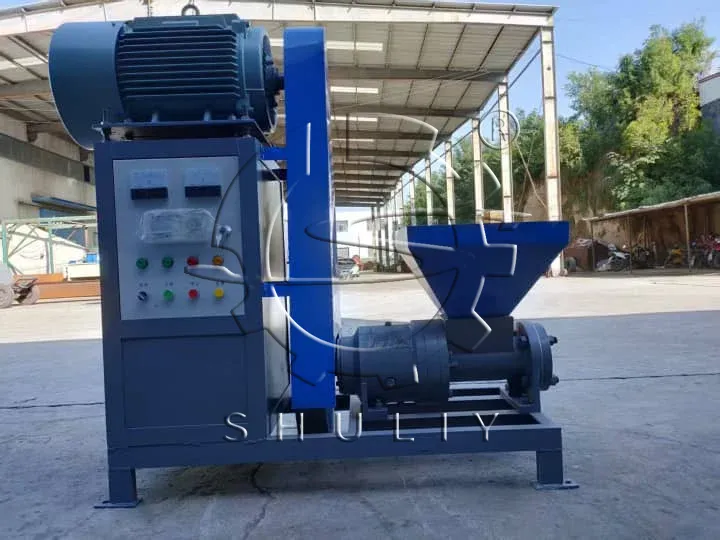
Análise de custos do uso de uma máquina de briquetagem
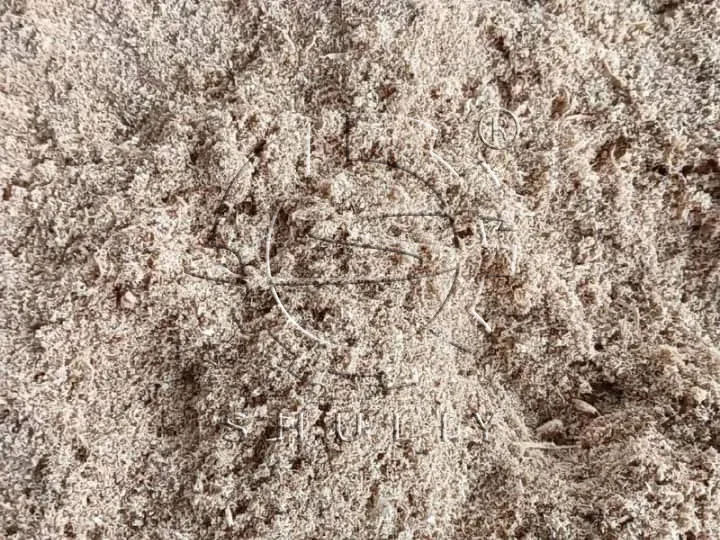
O custo da matéria-prima é uma das principais vantagens do uso de máquinas de briquetagem. Serradura, um subproduto de muitas fábricas de processamento de madeira, muitas vezes é fornecida gratuitamente ou a custos muito baixos. Assim, na maioria dos casos, os custos de matéria-prima representam menos de 10-15% do custo total de produção, aumentando significativamente as margens de lucro.
O custo inicial de um único equipamento varia de algumas centenas a alguns milhares de dólares, enquanto uma linha de produção custa mais do que o dobro. Se a qualidade da matéria-prima for inconsistente, preparar outros equipamentos de processamento torna-se uma parte crucial do investimento inicial.
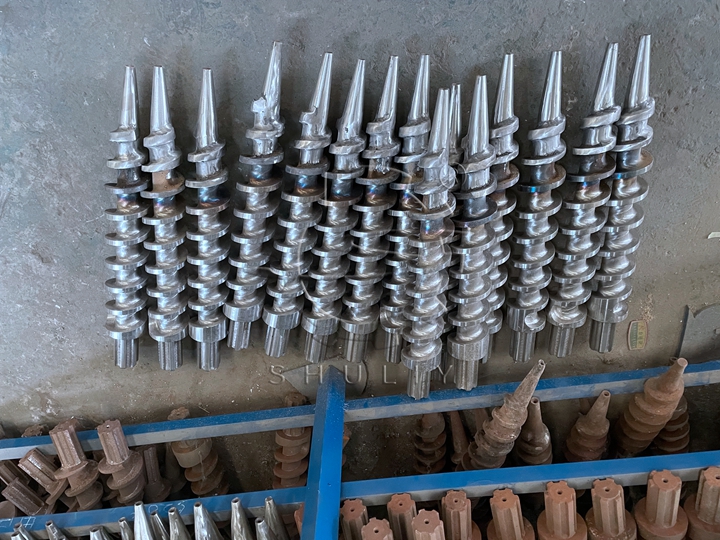
Custos de manutenção do extrusor de briquetes incluem principalmente (substituição de peças, custos de reparação, etc.). Estes são custos recorrentes e previsíveis. Se a máquina de briquetagem for bem mantida, estes custos normalmente representam 5-8% dos custos operacionais anuais. Custo total de produção: 50-80 dólares por tonelada.
Em comparação com outros métodos de processamento de biomassa, as vantagens de custos do uso de máquinas de briquetagem de serradura incluem custos mais baixos de matéria-prima, custos de transporte mais baixos e maior eficiência de combustão. Estas vantagens contribuem diretamente para custos unitários mais baixos e uma rentabilidade global melhorada.
Preço de mercado e rentabilidade das briquetes de biomassa
A rentabilidade das briquetes de biomassa produzidas por fabricantes de troncos de serradura depende principalmente de dois fatores: preço de venda no mercado e custo de produção por unidade. Estes fatores variam dependendo da região, aplicação e grau de substituição de combustível.
Em regiões em desenvolvimento, como África, Ásia do Sul e Sudeste Asiático, as briquetes de biomassa são principalmente usadas para substituir lenha, carvão vegetal e carvão de baixa qualidade. Embora os preços de venda sejam mais baixos, os custos de matéria-prima e mão-de-obra também são significativamente menores, permitindo aos produtores manter a rentabilidade.
Na Europa e em outros mercados altamente regulamentados, as briquetes de biomassa são posicionadas como um combustível industrial limpo, normalmente usado em caldeiras industriais, sistemas de aquecimento urbano e centrais de biomassa. O preço mais elevado em comparação com outras regiões deve-se ao tamanho e densidade padronizados das briquetes.
Principais aplicações que impulsionam a rentabilidade
1. Substituição de combustível industrial
Um dos principais motores de lucro para as briquetes de biomassa é o seu uso como substituto de combustível industrial, especialmente na substituição de carvão e lenha.
Muitas fábricas dependem de energia térmica para as suas operações diárias, e tradicionalmente, o carvão tem sido o combustível principal. No entanto, para reduzir custos de combustível e devido às regulamentações de emissão, as fábricas estão a substituir cada vez mais o carvão por briquetes de biomassa.
2. Reciclagem de resíduos e economia circular
Outro grande motor de lucro é o papel das máquinas de briquetagem de serradura na reciclagem de resíduos e na economia circular. Transformar resíduos de madeira em combustível valioso.
Fábricas de processamento de madeira, fábricas de mobiliário e serralharias geram grandes quantidades de serradura. Este desperdício muitas vezes leva a problemas de armazenamento e poluição ambiental. Os extrusores de briquetes podem transformar este desperdício em briquetes de combustível de biomassa comercial, convertendo um custo em uma fonte de receita.

Conclusão!
Com base na análise acima, pode-se concluir que, quando utilizados corretamente, as máquinas de briquetagem de serradura podem gerar lucros consideráveis na produção de briquetes de combustível de biomassa.
Com o aumento dos preços do combustível e regulamentações ambientais cada vez mais rigorosas, transformar serradura em briquetes de combustível de biomassa deixou de ser apenas uma opção ecológica, tornando-se um modelo de negócio comercialmente viável.

Se estiver a considerar a viabilidade deste modelo de negócio e faltar maquinaria fiável para a implementação, a Shuliy dedica-se a ajudá-lo a resolver quaisquer problemas mecânicos.
If you are interested in this briquette extruder, click here to learn more: Sawdust Briquette Machine and contact me for the latest discounts!