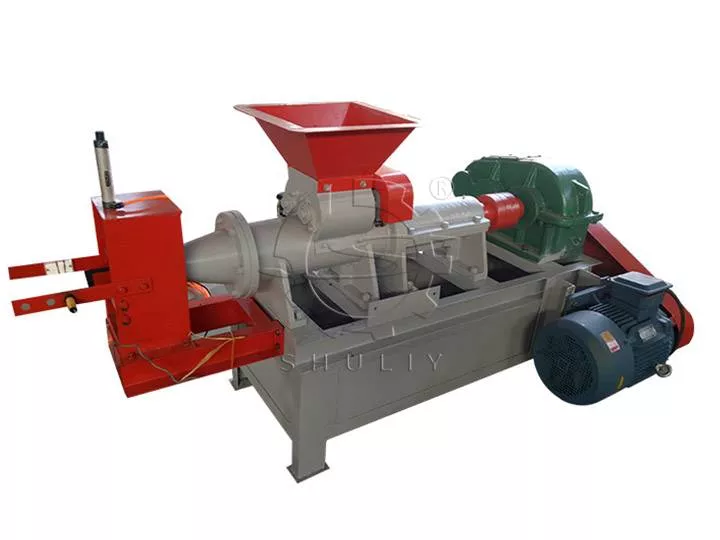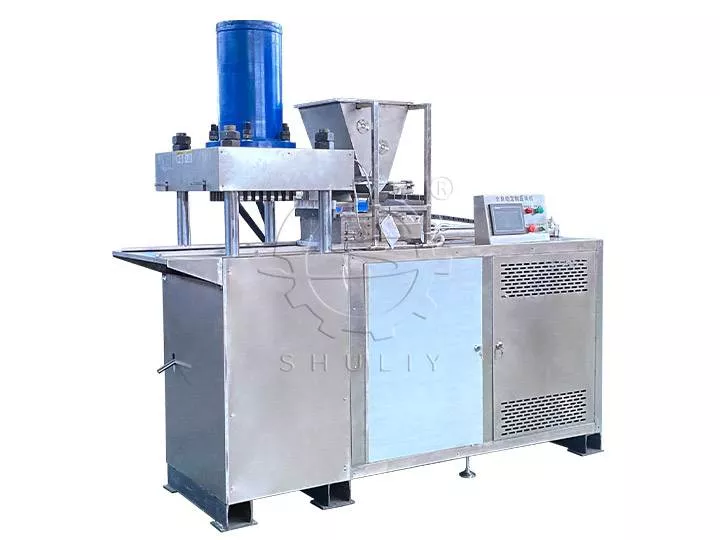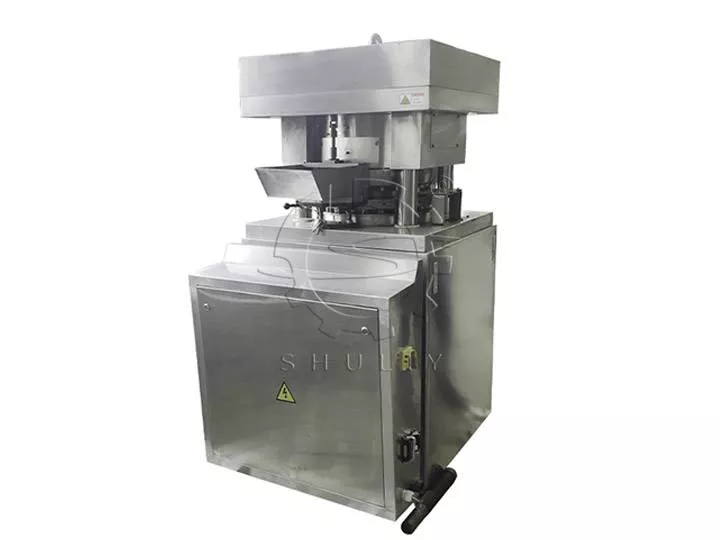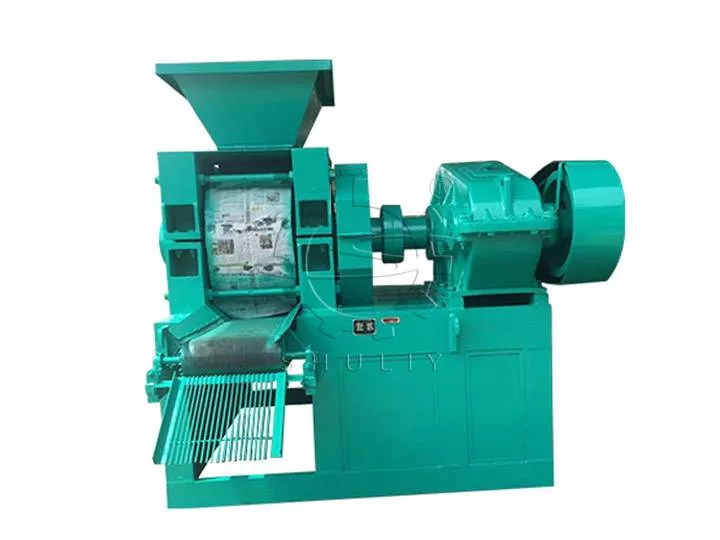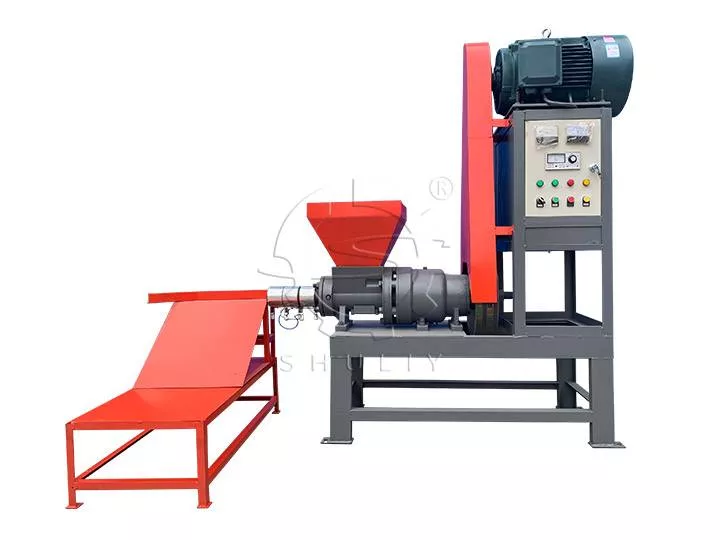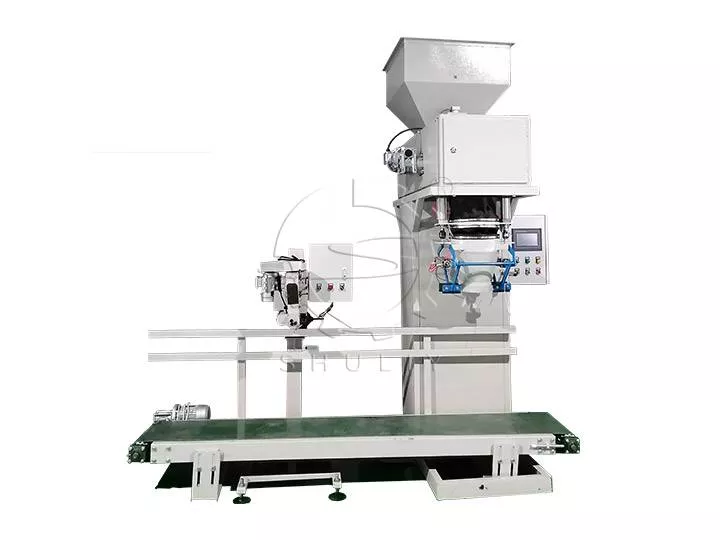
Tayland Kömür Top Pres Makinesi BBQ Endüstrisinde
A medium-sized charcoal production facility in Thailand transformed its business by integrating Shuliy coal ball press machines into its manufacturing process. This factory demonstrates how strategic equipment investment can drive significant operational improvements and market expansion in the competitive BBQ charcoal industry.
Müşteri Geçmişi
This company has operated in Thailand’s charcoal industry since 2018. Initially focused on traditional lump charcoal production for domestic markets, the company identified growing demand for uniform, high-quality BBQ charcoal balls from restaurants, hotels, and export markets across Southeast Asia.

Business Profile
| Attribute | Detaylar |
|---|---|
| Location | Thailand |
| Industry | BBQ charcoal manufacturing |
| Employees | 25-30 workers |
| Primary Market | Thailand’s domestic market, export to Vietnam, Cambodia |
Initial Challenges
Before implementing the coal ball press solution, the company faced several operational constraints that limited growth:
- Inconsistent product quality: Manual briquette forming resulted in varying densities and burn characteristics
- Limited production capacity: Manual processes capped daily output at approximately 500 kg
- High labor costs: 15 workers dedicated to forming operations with repetitive manual labor
- Market constraints: Unable to fulfill large orders from hotel chains and distributors
- Quality rejection: 8-12% rejection rate due to inconsistent shape and density
Equipment Selection and Implementation
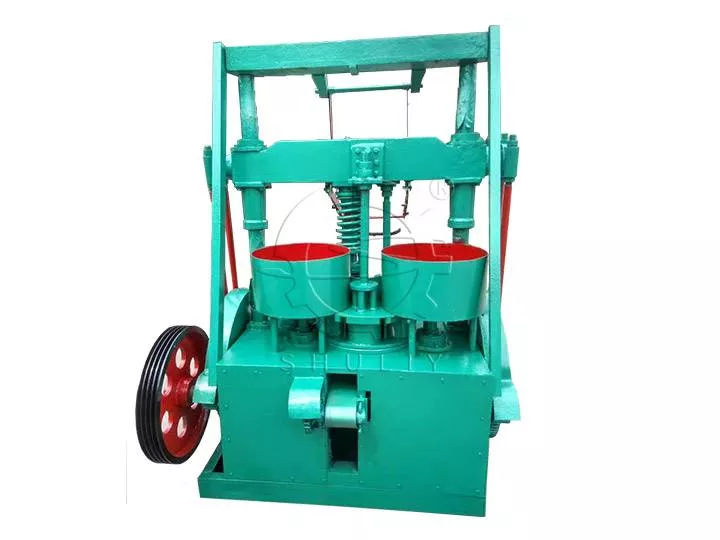
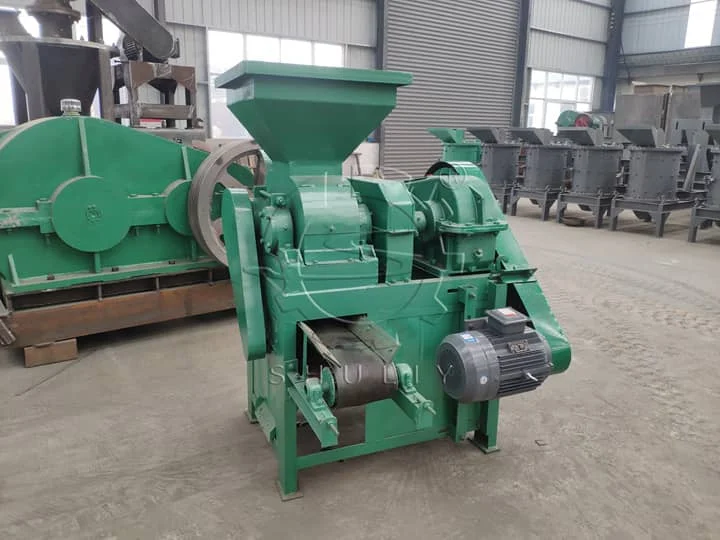
After evaluating multiple equipment suppliers, they selected Shuliy’s coal ball press machine based on proven performance in similar Asian markets, competitive pricing, and comprehensive technical support.
Selected Equipment Configuration
| Teçhizat | Modeli | Specifications |
|---|---|---|
| Coal ball press machine | SL-360 | 2-4 tons/hour, 11kW |
| Charcoal grinder | SL-CG500 | 500 kg/hour, 7.5kW |
| Wheel mixer | SL-WM300 | 300 kg/batch |
| Box-type dryer | SL-BD20 | 20 trays, electric heating |
| Conveyor system | Custom | 3 units connecting processes |
Production Process Overview
The integrated production line transforms raw charcoal powder into uniform BBQ charcoal balls through a systematic four-stage process:
Stage 1: Raw Material Preparation
Coconut shell charcoal and hardwood charcoal are sourced from certified suppliers in southern Thailand. The mixed charcoal feedstock undergoes initial screening to remove oversized particles and contaminants before entering the grinding stage.
Stage 2: Grinding and Mixing
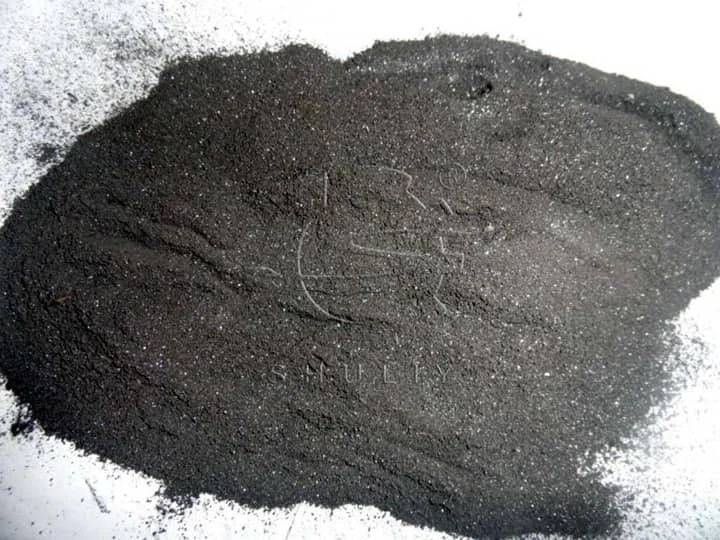
The charcoal grinder machine processes raw material into fine powder with a particle size below 3mm. The powder then transfers to the wheel mixer, where water and organic binder are added at precise ratios:
| Component | Ratio | Purpose |
|---|---|---|
| Charcoal powder | 85% | Primary fuel content |
| Water | 10% | Binding activation |
| Cassava starch binder | 5% | Shape retention, burn stability |
Stage 3: Briquette Formation
The coal ball press machine forms the core of the production line. The SL-360 model applies hydraulic and mechanical pressure to compress the mixture into uniform spherical briquettes. Key operating parameters include:
- Pressure setting: 12-15 MPa for optimal density
- Mold configuration: 50mm diameter spherical balls
- Production rate: 2.5 tons/hour at standard settings
- Molding rate: 98.5% (industry-leading efficiency)
Stage 4: Drying and Packaging
Fresh briquettes contain 18-22% moisture and require drying to achieve the target 8-10% moisture content for optimal burning characteristics. The box-type dryer processes 400 kg per batch over 6-8 hours at controlled temperatures between 60-80°C.
Customer Testimonial
“The Shuliy coal ball press machine completely transformed our business. Before, we struggled to fulfill orders over 500 kg. Now we supply 20-ton monthly contracts to major hotel chains across Thailand. The machine runs 8 hours daily with minimal downtime, and the product quality consistency has opened doors to export markets we never thought possible. The installation team trained our operators thoroughly, and technical support has been responsive whenever we had questions.”
— Somchai R., Production Manager.
Market Impact and Business Growth
The equipment upgrade enabled this company to pursue previously inaccessible market segments:
New Customer Segments
- International hotels: Supply contracts with 5-star properties in Bangkok, Pattaya, and Phuket
- Restaurant chains: Monthly deliveries to 12 Korean BBQ restaurant franchises
- Export markets: Regular shipments to distributors in Vietnam and Cambodia
- Supermarket retail: Private label products for major Thai retail chains
Product Quality Improvements
| Quality Parameter | Şartname | Result |
|---|---|---|
| Briquette diameter | 50mm ± 2mm | 100% within spec |
| Kütle yoğunluğu | 900-1100 kg/m³ | Average 980 kg/m³ |
| Isıl değer | >6500 kcal/kg | 6800 kcal/kg average |
| Burn time | >3 hours | 3.5-4 hours |
| Ash content | <8% | 5-6% |
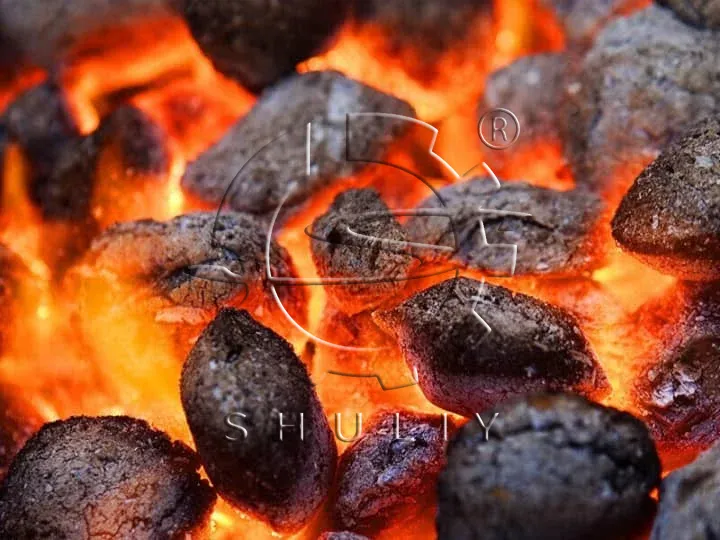
Operational Insights and Best Practices
Based on their experience, the team developed several operational best practices that optimize equipment performance:
Maintenance Schedule
- Daily: Clean mold cavities, inspect hydraulic fluid levels, and lubricate moving parts
- Weekly: Check roller wear, inspect conveyor belts, test safety interlocks
- Monthly: Replace hydraulic filters, inspect electrical connections, calibrate pressure sensors
- Quarterly: Professional inspection of the hydraulic system, mold refurbishment
Quality Control Protocol
The company implemented rigorous quality checkpoints to maintain the high standards its new customers expected:
- Raw material moisture testing before grinding
- Mixture consistency checks every 2 hours
- Briquette weight sampling (10 samples per hour)
- Drop test for durability assessment
- Final moisture verification before packaging
Future Expansion Plans
Encouraged by their success, the company has outlined ambitious expansion plans:
- Second production line: Planned installation of identical equipment to double capacity by Q3 2025
- Export certification: Pursuing ISO and FDA certifications for European and North American market access
- Product diversification: Evaluating nargile kömürü üretimi for Middle Eastern markets
- Sustainable sourcing: Developing partnerships with certified sustainable coconut plantations
Key Success Factors
This case study demonstrates several critical success factors for charcoal briquette manufacturing businesses:
- Equipment quality: Reliable machinery with high molding rates minimizes waste and maximizes output
- Operator training: Comprehensive training ensures optimal equipment utilization and longevity
- Process integration: Connected production stages with proper material handling improve efficiency
- Quality focus: Consistent product quality opens premium market opportunities
- Market responsiveness: Equipment flexibility enables adaptation to changing customer requirements
Çözüm
This case study illustrates how strategic investment in modern coal ball press technology can transform a struggling manual operation into a thriving industrial enterprise. Within six months, the company achieved production capacity increases of over 3,600%, reduced labor costs by 73%, and accessed premium market segments previously beyond reach.
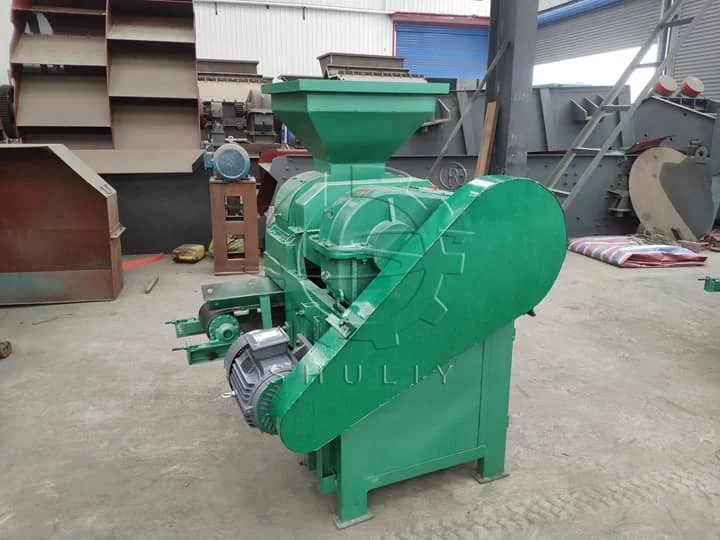
For charcoal producers across Southeast Asia and beyond, this success story demonstrates that quality equipment, proper implementation, and operational discipline can deliver exceptional returns in the growing BBQ charcoal market. The key lies in selecting equipment matched to production goals and committing to quality standards that meet demanding customer expectations.
Interested in achieving similar results for your charcoal production business? Contact Shuliy to discuss your specific requirements and receive a customized equipment proposal tailored to your production goals.