
Машина для производства брикетов опилок для линии по переработке древесного угля из биомассы
Экструдер для брикетов биомассы | Машина для производства брикетов Пини Кей
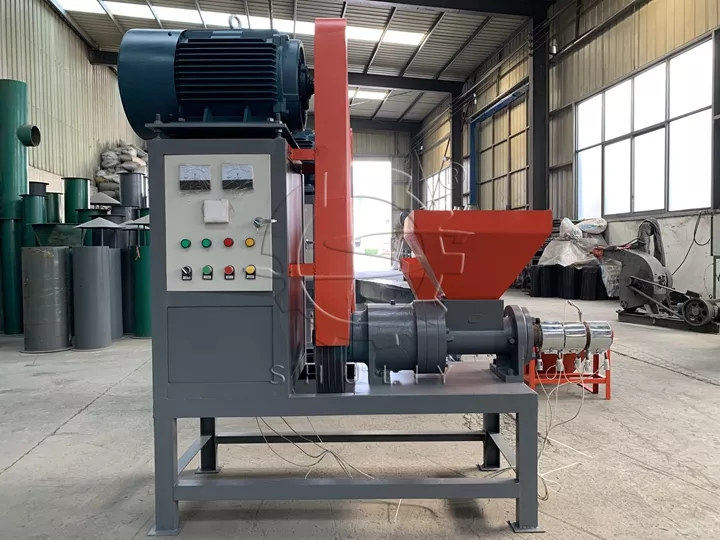
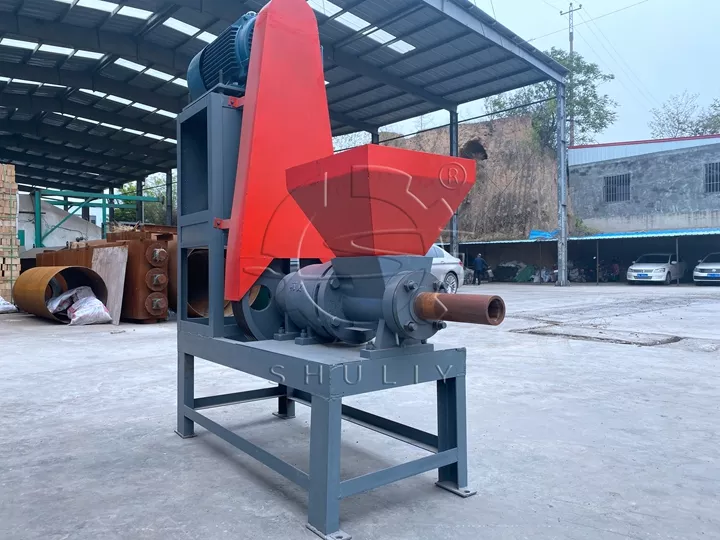
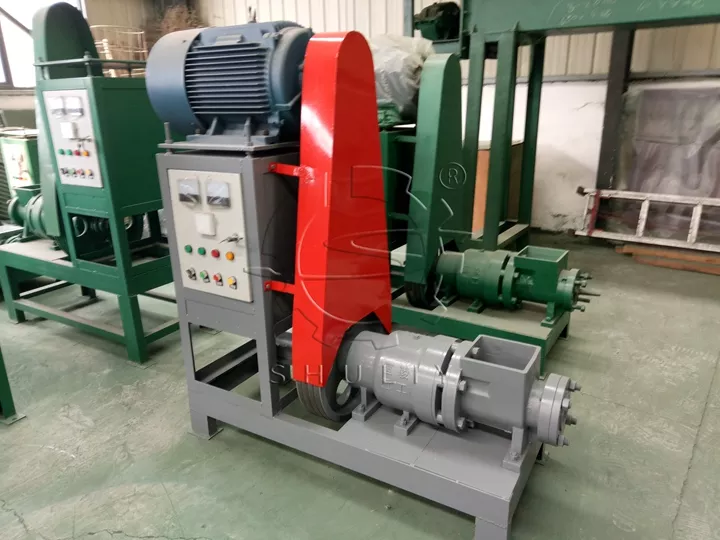
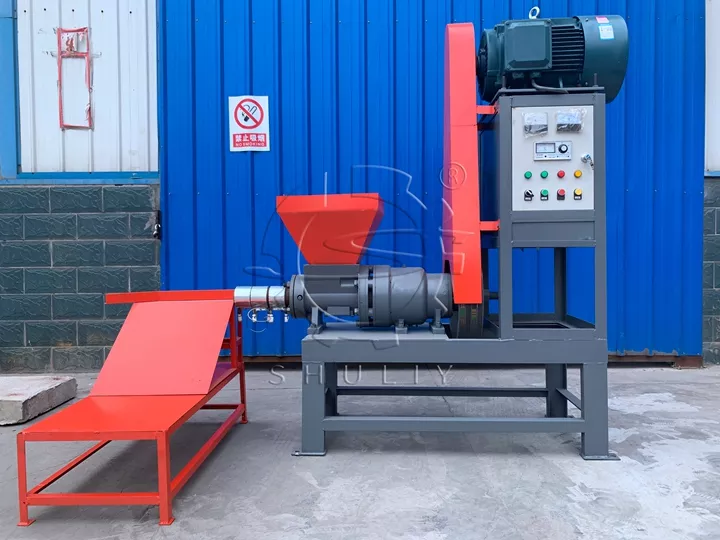
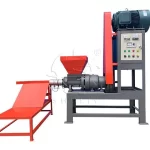
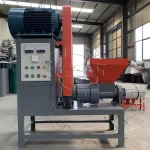
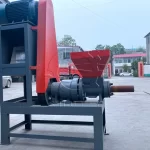
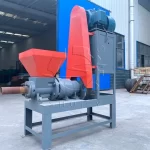
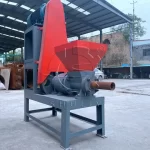
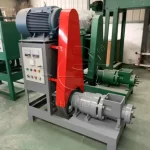
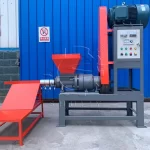
Машина для производства брикетов опилок для линии по переработке древесного угля из биомассы
Экструдер для брикетов биомассы | Машина для производства брикетов Пини Кей
Обзор функций
A sawdust briquette machine is specialized briquetting equipment designed to compress loose biomass materials into dense, uniform briquettes without requiring any external binders.
This screw-type briquette press machine operates at high temperatures (260-380°C) and pressure, utilizing the natural lignin in wood materials as an internal binding agent.
The resulting biomass briquettes achieve a density of 1.1-1.3 g/cm³—nearly 10 times denser than raw sawdust—and deliver a calorific value of 4,000-5,000 kcal/kg, making them a viable renewable alternative to fossil fuels for industrial and domestic applications.
Why invest in a sawdust briquette machine?
Investing in biomass briquette production delivers measurable economic and operational advantages for businesses handling wood waste or agricultural residues:
- Cost reduction: Transform waste materials (valued at $0-20/ton) into commercial fuel products worth $150-400/ton, creating value from disposal liabilities
- Revenue diversification: Open new income streams through briquette sales to power plants, restaurants, and residential markets
- Storage efficiency: Briquettes occupy 70-80% less volume than raw biomass, reducing warehouse requirements and transportation costs
- Extended burn time: High-density briquettes burn 3-4 times longer than loose biomass, improving fuel efficiency for end users
- Reduced emissions: Complete combustion produces less smoke and particulate matter compared to raw wood burning
- Moisture resistance: Briquettes absorb less atmospheric moisture than raw sawdust, maintaining consistent burning characteristics
Raw materials and preparation requirements
The briquette press processes a wide range of lignocellulosic materials to produce quality wood briquette products. Understanding material specifications ensures optimal briquette quality and briquette maker performance.
Processable materials
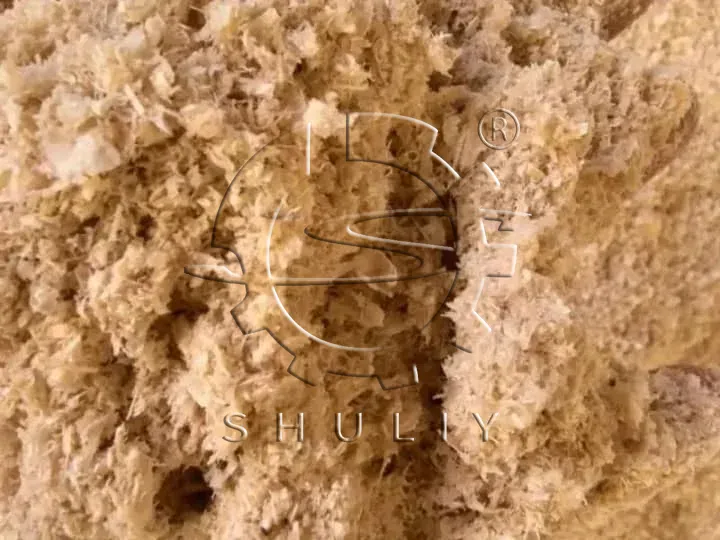
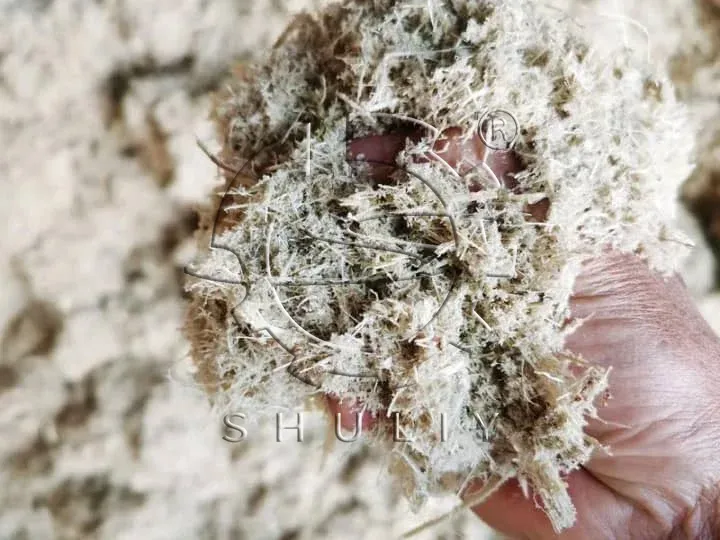
- Wood residues: Sawdust, wood chips, shavings, bark, branches, tree trimmings – ideal for древесный брикет производство
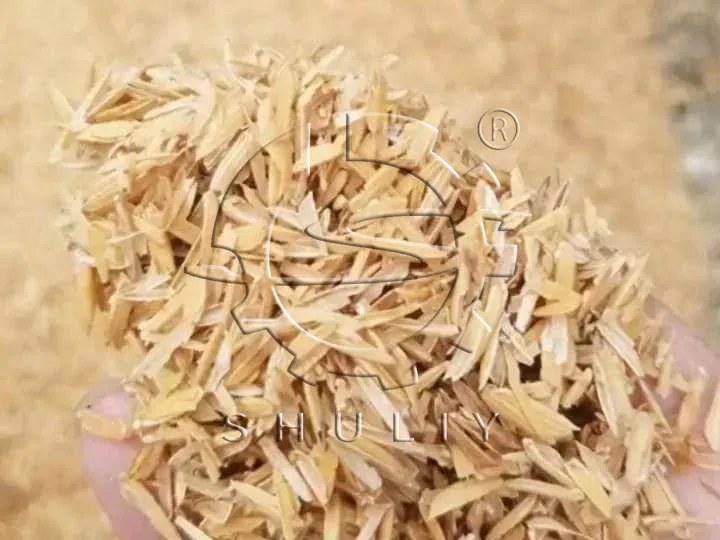
- Agricultural waste: Rice husk, peanut shells, coconut shells, corn cobs, cotton stalks
- Industrial byproducts: Bagasse (sugar cane waste), bamboo waste, furniture factory offcuts
- Other biomass: Straw, hay, paper mill sludge (with limitations)

Material specifications
| Parameter | Requirement | Processing Solution |
|---|---|---|
| Moisture content | 8-12% (optimal) | Use the вращающаяся барабанная сушилка if >20% |
| Particle size | ≤5 мм | Use the молотковая дробилка if >20% |
| Lignin content | ≥15% | Mix with wood materials if insufficient |
| Foreign matter | Remove metal, stones | Magnetic separator recommended |
Direct processing: Materials with moisture ≤20% can be fed directly into the briquette machine, as the heating system will evaporate excess moisture during extrusion. Materials with moisture >20% require pre-drying to prevent steam formation that can damage the briquette structure.
Working process flow of saw briquette making
The production of market-ready biomass briquettes using this sawdust-making machine involves two primary stages:
Step 01: Briquetting (Extrusion)
- Preparation: Raw materials are crushed to ≤5mm and dried to 8-12% moisture content
- Heating: The briquetting machine’s heating ring reaches 260-380°C (typically starting at 280°C for wood materials)
- Feeding: Prepared material enters the hopper and is conveyed by the rotating screw shaft
- Extrusion: High-pressure compression (20-30 MPa) forces material through the forming die to compress wood fibers
- Formation: Lignin softens under heat and pressure, binding fibers together as briquettes exit the die
- Cutting: Briquettes are cut to the desired length (typically 30-50cm) by an adjustable baffle
Step 02: Carbonization (Optional)
For applications requiring higher calorific value and longer burn time, briquettes undergo carbonization in a carbonization furnace:
- Briquettes are loaded into the carbonization chamber
- Temperature increases to 400-600°C in oxygen-limited conditions
- Volatile compounds are driven off, leaving carbon-rich charcoal
- Calorific value increases to 6,500-7,500 kcal/kg
- Finished charcoal briquettes are cooled and packaged
Technical specifications of sawdust briquette machine
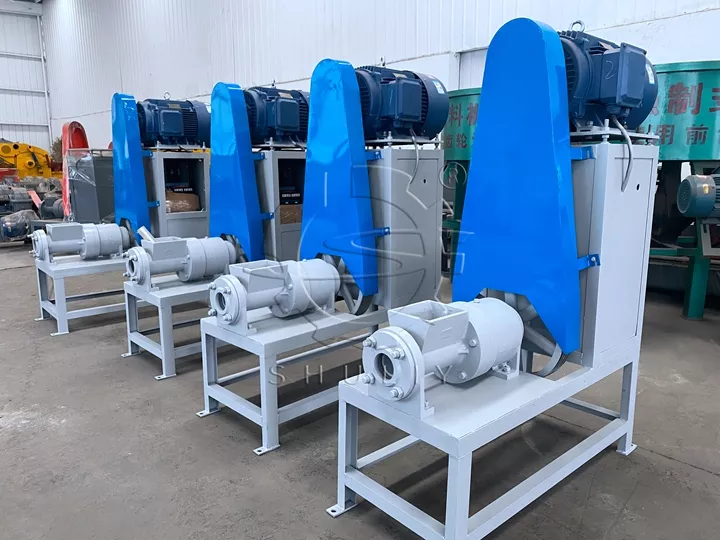
Our briquette press machine and biomass briquette press models are designed for efficient biomass processing:
| Модель | СЛ-140 | SL-180 | SL-220 |
|---|---|---|---|
| Емкость | 180-220 kg/h | 280-320 kg/h | 400-500 kg/h |
| Мощность главного двигателя | 11 kW | 18.5 kW | 22 kW |
| Мощность нагрева | 4.5 kW | 6 кВт | 6 кВт |
| Total power | 15.5 kW | 24.5 kW | 28 kW |
| Температура нагрева | 260-380°C | 260-380°C | 260-380°C |
| Диаметр брикетов | 48-50 mm | 48-50 mm | 48-50 mm |
| Briquette density | 1.1-1.3 g/cm³ | 1.1-1.3 g/cm³ | 1.1-1.3 g/cm³ |
| Масса машины | 580 kg | 680 кг | 780 кг |
| Dimensions (L×W×H) | 1850×600×1450 mm | 2270×600×1580 mm | 2390×680×1780 mm |
Power requirements: 380V, 50Hz, 3-phase (customizable for local electrical standards)
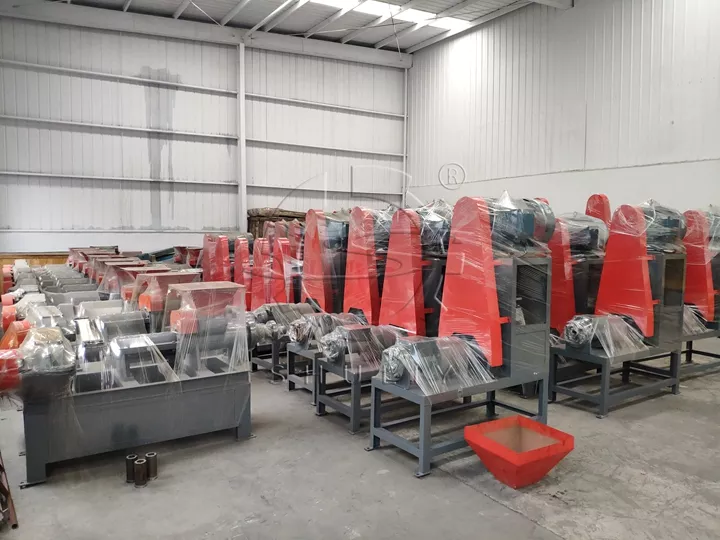
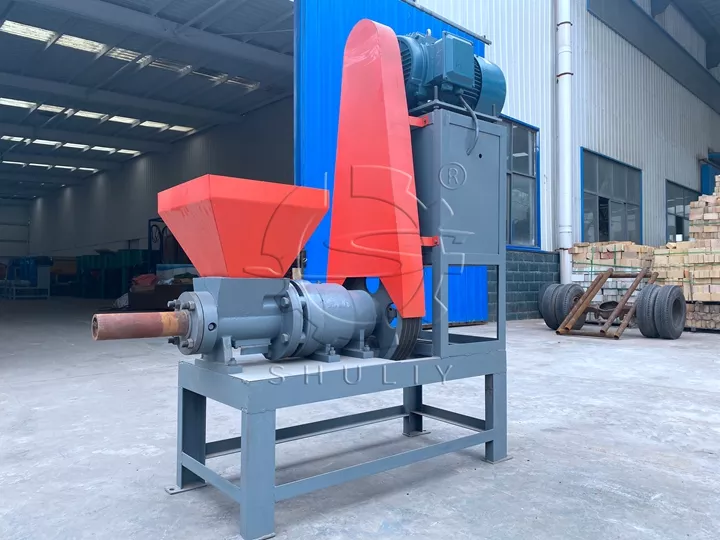
Machine color customization: Standard industrial gray (custom RAL colors available for orders of 3+ units)
Working principle: How briquettes form without binders
The wood pressure machine operates on the principle of lignin thermoplasticization—a unique property that eliminates the need for chemical binders. This wooden press machine uses sawdust compressor technology to transform loose biomass into dense fuel.
The science of natural binding
Lignin, comprising 15-30% of wood’s dry weight, is a complex polymer that acts as nature’s glue in plant cell walls. When subjected to:
- High pressure (20-30 MPa): Compresses fibers into intimate contact
- Elevated temperature (260-380°C): Softens lignin to a plastic state
- Friction heat: Additional heat generated by screw rotation (50-80°C)
The lignin flows between wood fibers, creating molecular bonds that solidify upon cooling. This briquetting process produces briquettes with structural integrity comparable to those made with synthetic binders—but without chemical additives or additional material costs.
Key process parameters
| Parameter | Range | Effect on Output |
|---|---|---|
| Compression ratio | 3:1 to 5:1 | Higher ratio = denser briquettes |
| Screw speed | 200-400 RPM | Affects throughput and density |
| Die temperature | 260-380°C | Too low = poor binding, too high = scorching |
| Feed rate | Consistent flow | Prevents jamming and ensures uniformity |
Machine structure and key components
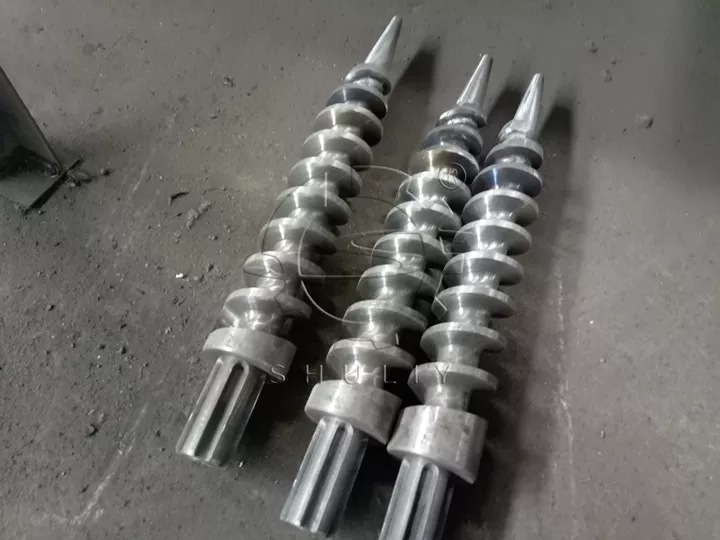
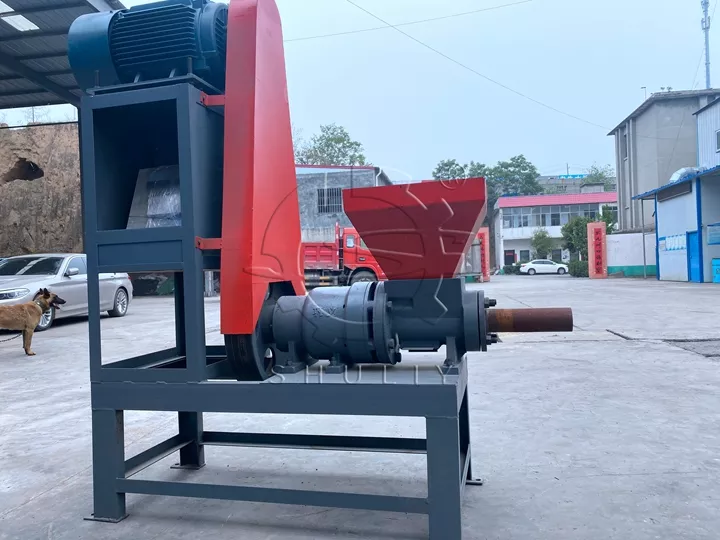
Screw propeller shaft
The screw shaft is the core component responsible for material conveyance and compression. Our shafts are manufactured from Cr40 alloy steel (40Cr), heat-treated to achieve:
- Hardness: HRC 55-60 after surface treatment
- Tensile strength: ≥980 MPa
- Wear resistance: Tungsten carbide electrode coating on the front spiral section extends service life by 300%
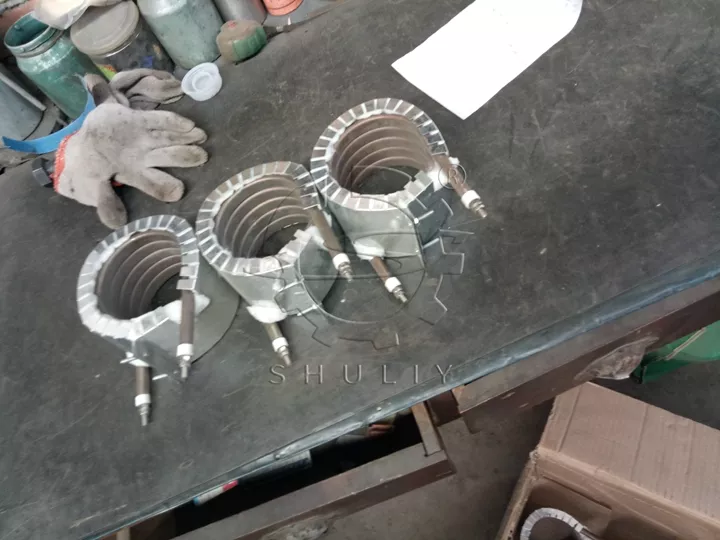
Heating device
The heating system consists of cast aluminum heating rings with embedded ceramic heating elements:
- Власть: 4.5-6 kW depending on model
- Temperature control: PID controller with ±5°C accuracy
- Warm-up time: 15-20 minutes to operating temperature
- Heat distribution: Uniform circumferential heating prevents hot spots
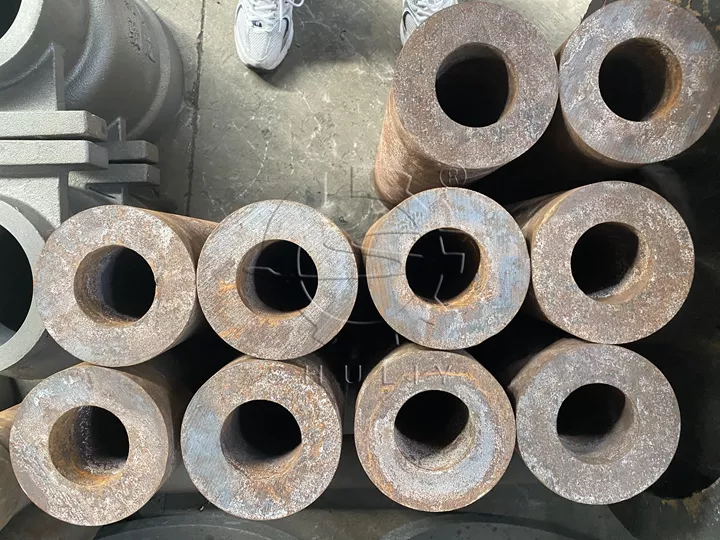
Briquetting sleeve (forming die)
The forming die determines briquette shape and density:
- Standard shapes: Hexagonal hollow (most common), square solid, round hollow
- Standard diameter: 48-50mm (customizable 40-80mm)
- Material: High-carbon tool steel (T10) with surface hardening
- Replacement cycle: 1-2 years under normal operation (800-1,200 operating hours)
Lubrication system
Automatic grease lubrication points at main bearings ensure:
- Reduced friction and wear on rotating components
- Extended bearing life (50,000+ hours with maintenance)
- Consistent operating temperature of the drive system
Screw press vs ram press vs brick compressor: Technical comparison
Understanding the differences between screw press (extruder), ram press (piston), and brick compressor briquetting press technologies helps select the appropriate briquette maker equipment for your application:
| Feature | Screw Press (This Machine) | Ram Press (Piston Type) |
|---|---|---|
| Mechanism | Continuous screw extrusion | Reciprocating piston compression |
| Production mode | Continuous | Batch/intermittent |
| Throughput | Higher (180-500 kg/h) | Lower (80-200 kg/h) |
| Briquette density | 1.1-1.3 g/cm³ | 1.0-1.2 g/cm³ |
| Heat generation | Internal friction + heating ring | Minimal (external preheating needed) |
| Power consumption | 15-28 kW | 7-15 kW |
| Best for | Wood materials, high-volume production | Agricultural residues, low-volume |
| Maintenance | Screw wear monitoring | Piston seal replacement |
Concentric hole design advantages
Our briquetting sleeves feature a concentric hole design that provides:
- Improved combustion: Hollow center allows airflow through the briquette, promoting complete burning
- Faster ignition: Reduced mass in the center heats quickly from both inside and outside
- Structural integrity: Even wall thickness prevents cracking during drying and handling
- Reduced material usage: 15-20% less raw material per briquette while maintaining burn time
How to produce high-quality briquettes by using a sawdust briquette machine?
Achieving consistent, market-grade briquettes requires attention to process parameters and material handling:
Optimal process parameters
| Parameter | Target Range | Quality Impact |
|---|---|---|
| Raw material moisture | 12-18% | Too dry = brittle, too wet = expansion cracks |
| Die temperature | 280-320°C (wood) | Affects lignin plasticization |
| Feed consistency | Continuous, uniform | Prevents density variations |
| Briquette length | 30-50 cm | Optimal for handling and packaging |
Quality indicators
- Density: 1.1-1.3 g/cm³ (measured by water displacement method)
- Drop test: Briquettes should not break when dropped from a height of 1 meter
- Surface finish: Smooth, consistent extrusion marks indicate proper temperature
- Color: Golden brown to dark brown (black indicates overheating)
- Calorific value: 4,000-5,000 kcal/kg for raw briquettes, and 6,500+ kcal/kg after carbonization
Finished product characteristics and packaging
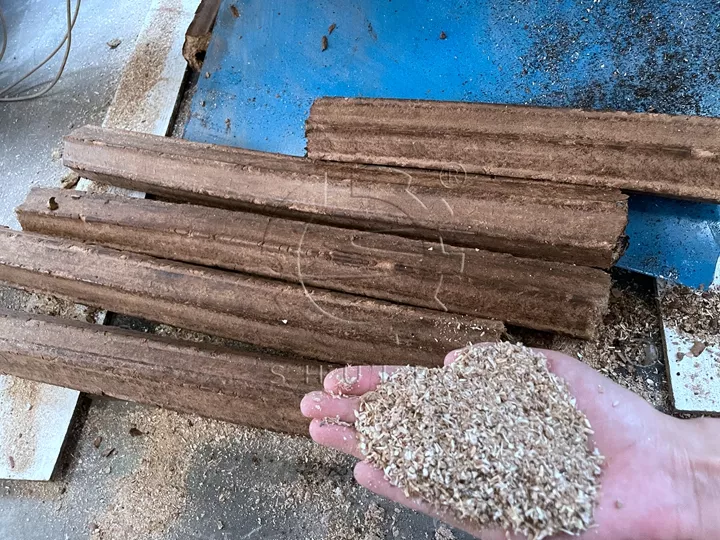
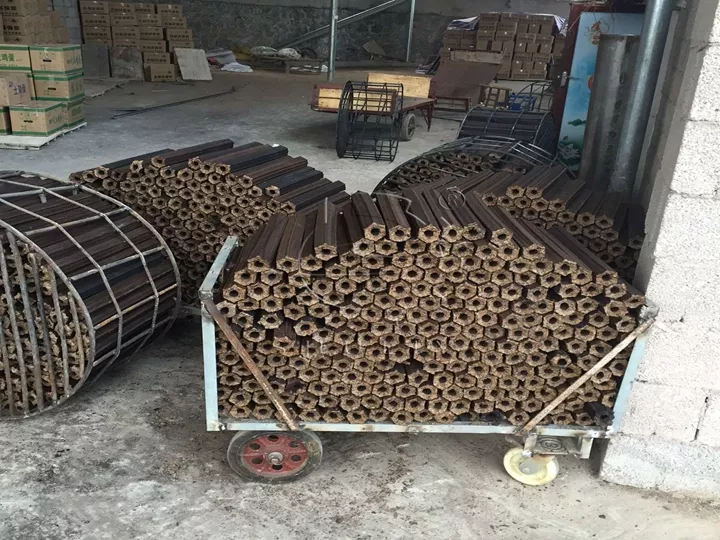
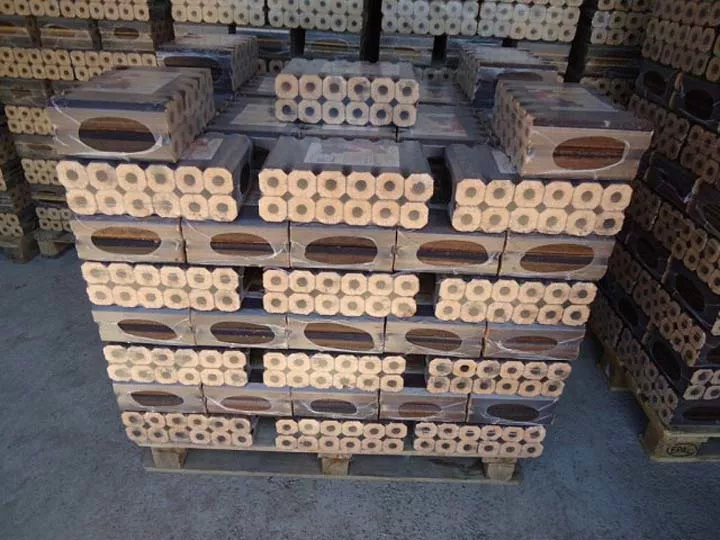
After extrusion, the sawdust briquette maker produces compacted sawdust logs that are packaged using heat-shrink film, which provides:
- Moisture protection: Prevents absorption of atmospheric humidity during storage
- Handling convenience: 10-15kg packages are manageable for retail and industrial users
- Brand visibility: Custom printing on shrink film for marketing
Standard briquette specifications
| Property | Спецификация |
|---|---|
| Outer diameter | 46-50 mm (customizable) |
| Inner diameter (hollow) | 10-20 mm |
| Length | Adjustable (typically 30-50 cm) |
| Density | 1.1-1.3 g/cm³ |
| Топливная ценность | 4,000-5,000 kcal/kg |
| Moisture content | <8% (after cooling) |
| Содержание золы | 1-3% (depending on raw material) |
Also known as: sawdust log press output, sawdust briquette, wood briquette logs
Applications and end-use markets of the sawdust briquette machine
Sawdust briquettes serve diverse markets with varying quality requirements:
Industrial applications
- Power generation: Biomass power plants utilize briquettes as a consistent, high-energy feedstock for boilers. The standardized size and moisture content enable automated feeding systems.
- Industrial boilers: Manufacturing facilities replace coal with briquettes to reduce carbon emissions and meet environmental regulations. Briquettes produce 50-70% less ash than coal.
- Metal smelting: Foundries use carbonized briquettes as a reducing agent and heat source in non-ferrous metal processing.
Commercial and domestic use
- Restaurant and commercial cooking: Briquettes provide consistent, high-heat output ideal for tandoor ovens, grills, and commercial stoves. The long burn time (4-6 hours) reduces refueling frequency.
- Отопление дома: In regions with cold winters, briquettes serve as a clean-burning alternative to firewood and coal in stoves and fireplaces.
- BBQ and grilling: Carbonized briquettes offer smokeless, odorless burning preferred for food preparation.
Environmental benefits
- Carbon neutral cycle: CO₂ released during burning equals CO₂ absorbed during plant growth
- Waste valorization: Converts disposal liabilities into valuable products
- Reduced deforestation: Decreases demand for firewood harvesting
- Soil amendment: Combustion ash (1-3% phosphorus content) serves as fertilizer
Advantages and improvements of the sawdust briquette machine
Our sawdust briquette machines incorporate engineering improvements developed through 15+ years of manufacturing experience and customer feedback:
- Four-bearing support system: Upgraded from three bearings to four, distributing load more evenly and extending bearing life by 40%
- Increased screw pitch: Optimized spiral geometry increases material throughput by 25% without sacrificing density
- Improved molding cylinder design: Reduced friction between die and material lowers power consumption by 15% while increasing briquette density
- High-grade materials: Cr40 steel construction with tungsten carbide surface treatment on wear components ensures 3-5 year service life under normal operation
- Universal biomass compatibility: Engineered to process diverse raw materials with minimal adjustment
- Energy efficiency: Optimized motor and transmission design reduces energy consumption by 20% compared to earlier models
Frequently asked questions
What is the calorific value of sawdust briquettes compared to coal?
Sawdust briquettes have a calorific value of 4,000-5,000 kcal/kg in raw form, and 6,500-7,500 kcal/kg after carbonization. This compares to 5,000-7,000 kcal/kg for standard coal.
What raw materials can be used in a sawdust briquette machine?
The machine processes any lignocellulosic material, including wood sawdust, chips, shavings, rice husk, peanut shells, coconut shells, corn cobs, bagasse, bamboo waste, and cotton stalks. The key requirement is lignin content above 15% for natural binding. Materials must be crushed to ≤5mm and dried to 8-12% moisture content before processing.
What briquette sizes and shapes can be produced?
Standard briquette diameter ranges from 40-80mm, with 48-50mm being most common. Standard shapes include hexagonal hollow (most popular), square solid, and round hollow. Custom dies can produce specialty shapes. Length is adjustable from 10-100cm via the cutting baffle, with 30-50cm being standard for packaging. Inner hole diameter (for hollow briquettes) typically ranges from 10 to 20mm.
Can the sawdust briquette machine be customized for specific requirements?
Yes, we offer customization, including: electrical specifications (220V/380V, 50Hz/60Hz), briquette die shapes and sizes, machine color (RAL codes), hopper capacity, and output conveyor integration. For orders of 3+ units, we can develop custom specifications including larger capacity models, specialized feeding systems, and integration with existing production lines.
How often do wear parts need replacement?
The briquetting sleeve (forming die) typically lasts 1-2 years (800-1,200 operating hours), depending on material abrasiveness. The screw propeller shaft lasts 2-3 years with tungsten carbide coating. The uncoated shafts require replacement every 6-12 months. Heating elements have a 3-5 year lifespan. Bearings last 50,000+ hours with proper lubrication. We stock all spare parts for immediate shipment and provide detailed maintenance schedules.
Do briquettes require binders or additives?
No external binders are required when processing lignin-rich materials (wood, most agricultural residues). The natural lignin content (15-30% in wood) softens under heat and pressure, acting as an internal binding agent. This eliminates the cost and complexity of binder mixing equipment. However, materials with very low lignin content (pure rice husk, some straws) may benefit from 2-5% starch or clay binder addition for improved durability.
Related equipment for complete sawdust briquette production lines
The sawdust briquette machine is typically part of an integrated biomass processing system:
- Молотковая дробилка: Reduces raw materials to a ≤5mm particle size required for briquetting
- Rotary drum dryer: Reduces moisture content from 30-50% to 8-12% for optimal briquette quality
- Carbonization furnace: Converts raw briquettes to high-calorific charcoal (optional for premium products)
- Packing machine: Automated packaging for retail and wholesale distribution
We provide complete sawdust briquette production lines with integrated material handling, process control, and quality monitoring systems. Our engineering team designs layouts optimized for your available space, raw materials, and production targets.
Contact us for a free consultation and quotation tailored to your specific requirements. Shuliy offers factory testing with your raw materials, installation supervision, operator training, and ongoing technical support for our biomass briquette machine lineup.
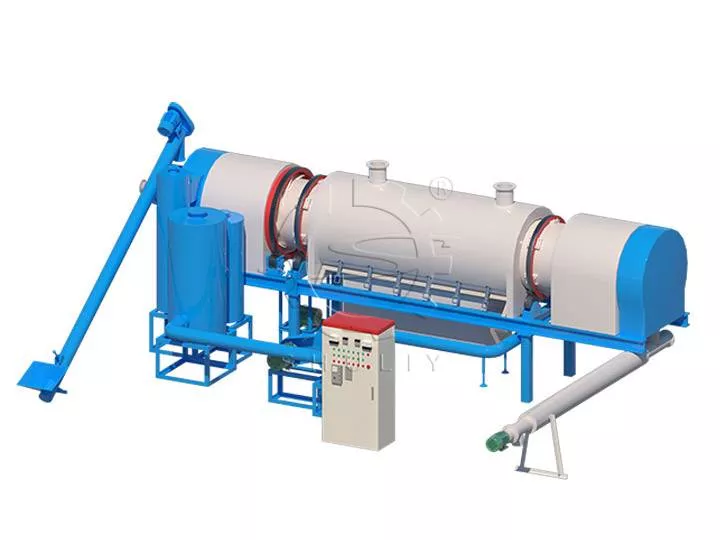
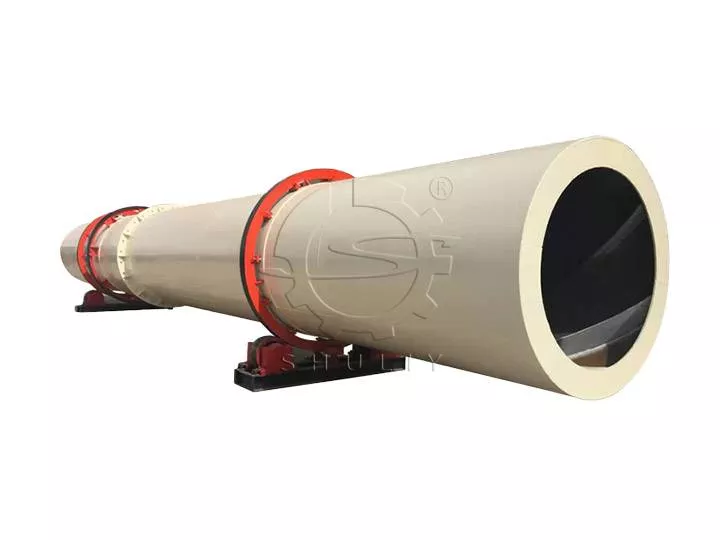
Ротационная сушилка для порошка опилок
Сушилка с вращающимся барабаном обычно используется для испарения…
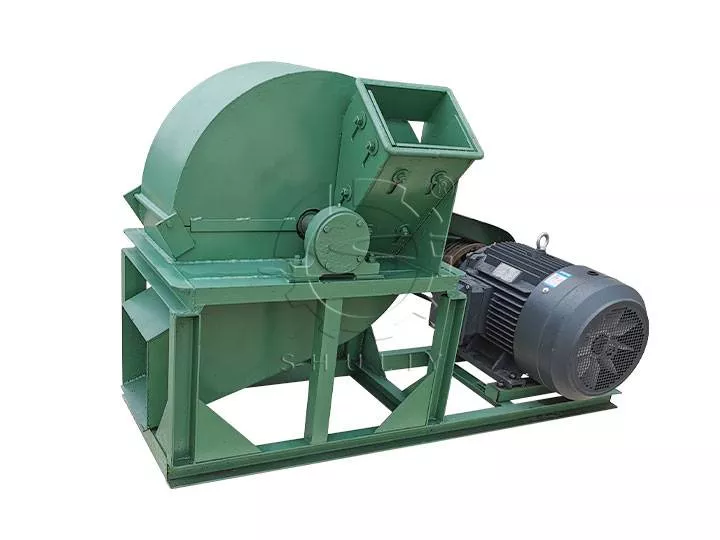
Машина для измельчения древесины для изготовления опилок
Машина для дробления древесины оснащена высокоскоростными вращающимися ножами и…
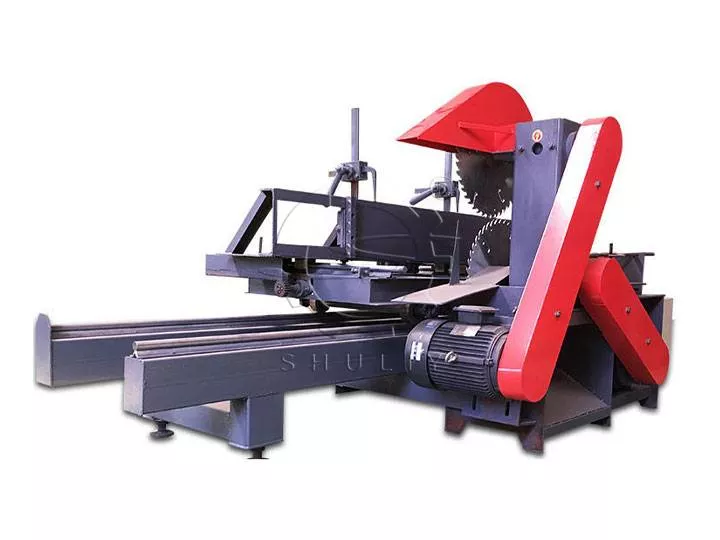
Автоматическая пиломатериальная станция для переработки древесины
Лесопильный станок использует либо циркулярную, либо ленточную…
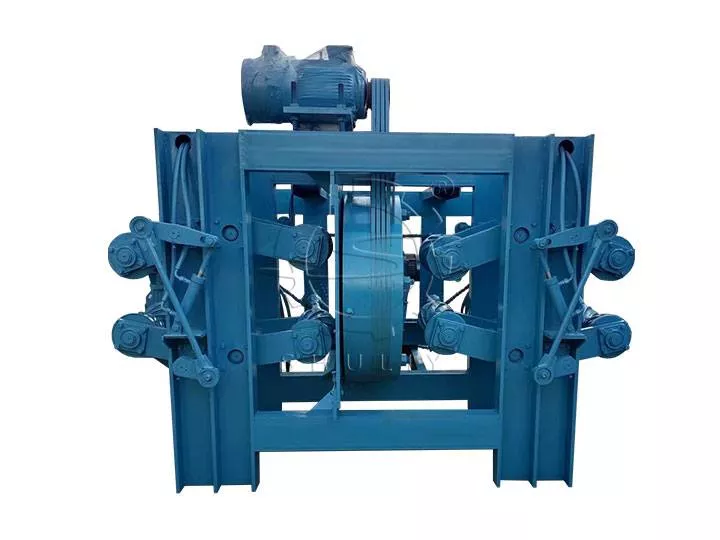
Машина для очистки древесины от коры, оборудование для очистки бревен
Окорочный станок для древесины, оснащенный лезвиями из высокопрочного сплава и усовершенствованной…
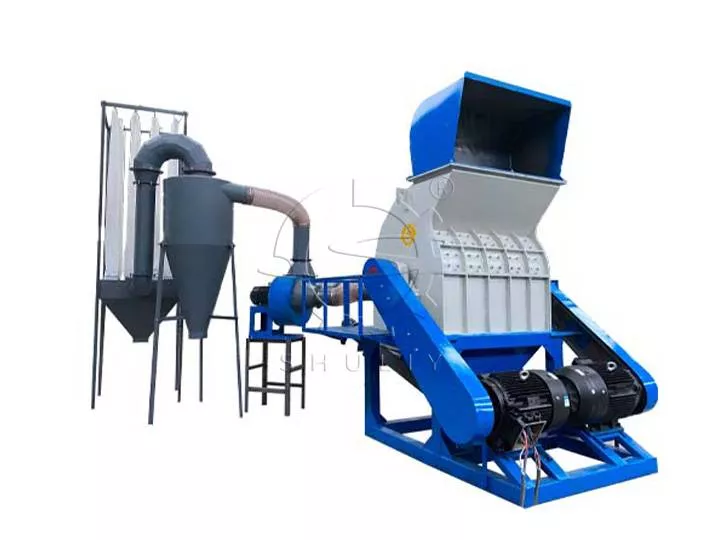
Большая дробилка молоткового типа для производства опилок
Дробилка молотковая по дереву работает за счет высокого скорости…
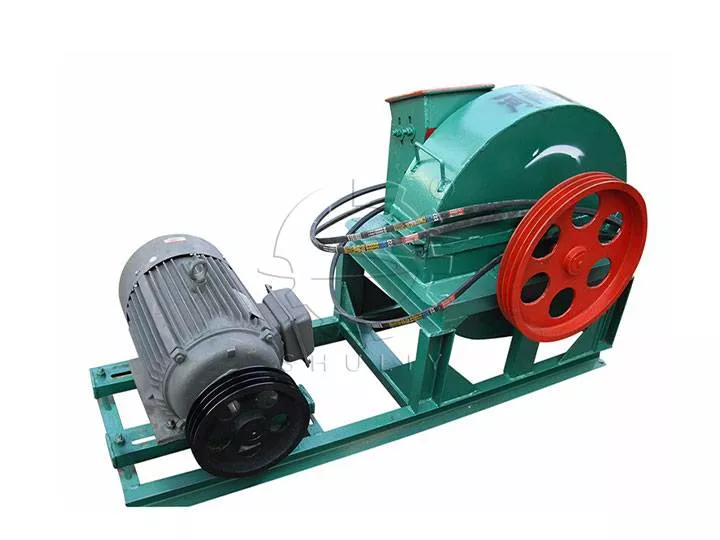
Машина для строгания древесины для животного bedding
Станок для стружки древесины предназначен для обработки древесины…
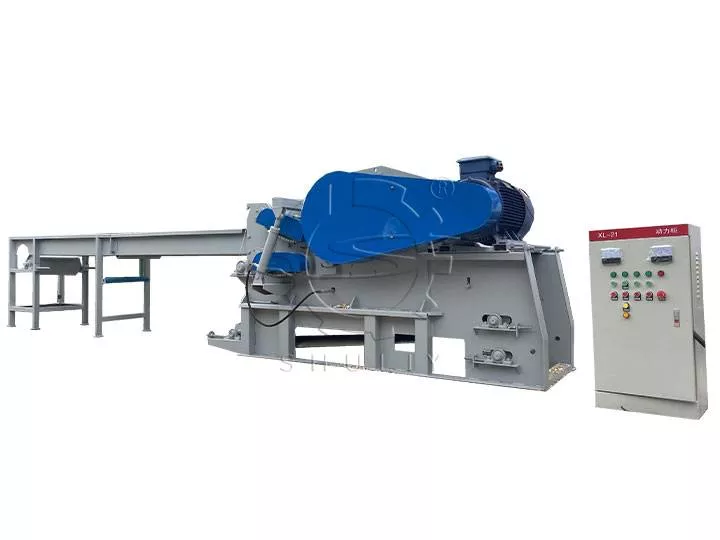
Машина для измельчения древесины для установки по производству опилок
Машина для древесной стружки предназначена для распиливания древесины,…
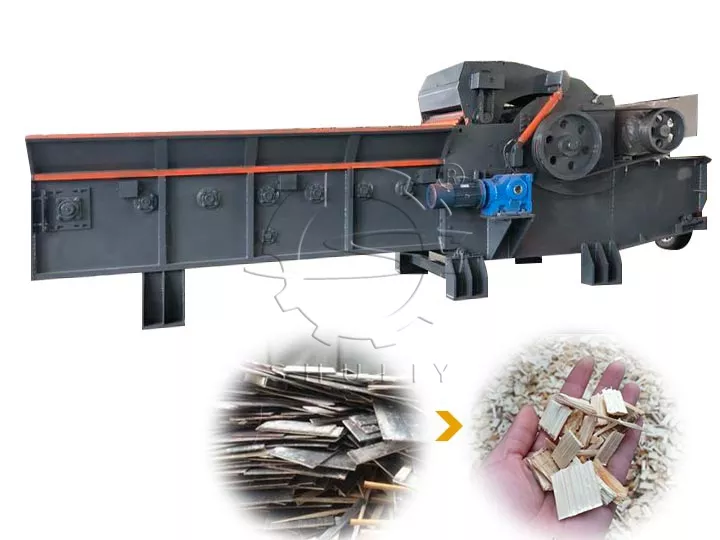
Комплексная дробилка для переработки древесины с большой мощностью
Комплексная дробилка предназначена для разрушения крупных кусков…
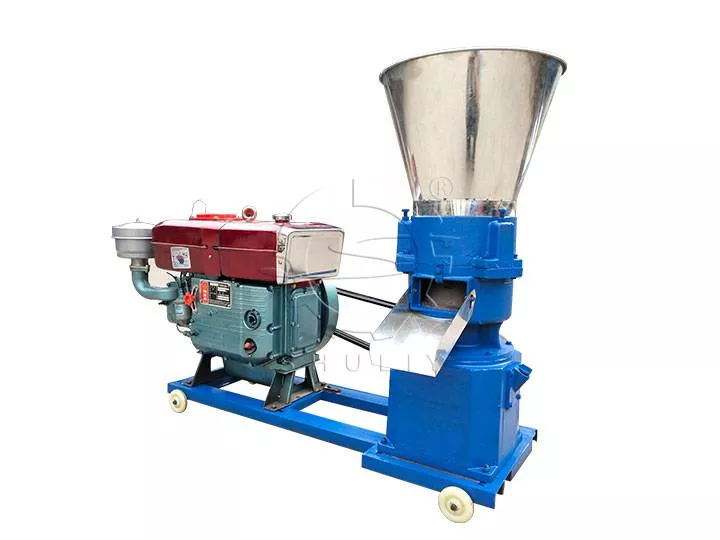
Мельница для кормовых гранул для животных
Машина для производства комбикормов представляет собой своего рода оборудование…
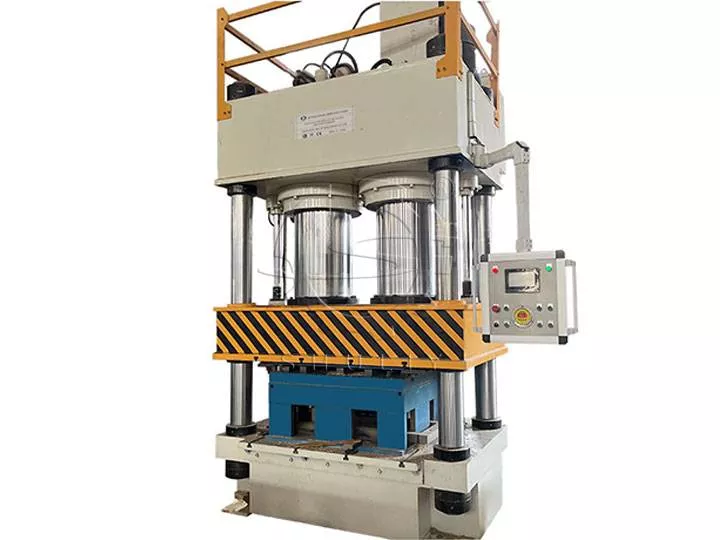
Автоматическая машина для прессования деревянных поддонов для продажи
Пресс для деревянных поддонов — наша популярная продукция, в основном…
Горячий продукт
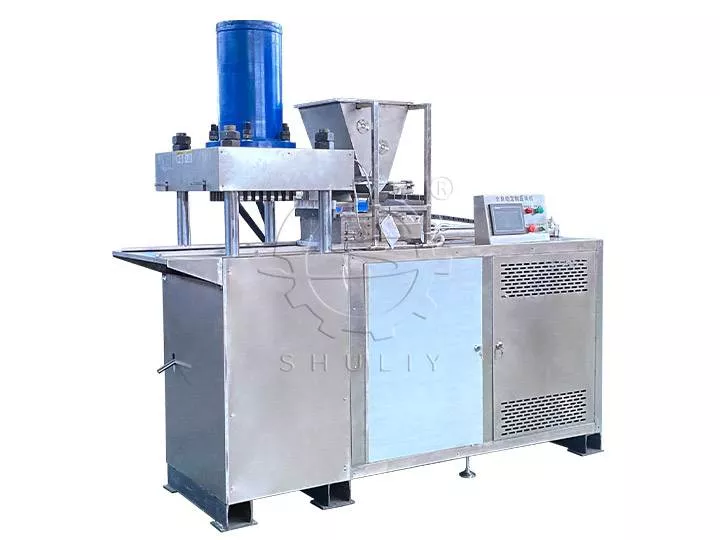
Нержавеющая сталь машина для изготовления кальяна из угля для таблеток кальяна
Машина для производства угля для кальяна также является…
Машина для измельчения древесины для установки по производству опилок
Деревоперерабатывающая машина предназначена для распила…
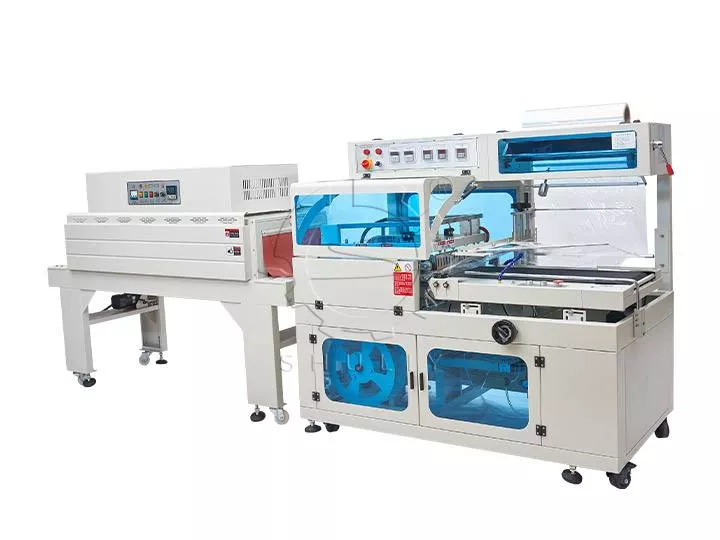
Автоматический упаковочный аппарат для угля с термоусадочной пленкой
Усадочные машины для упаковки угольных брикетов идеально подходят…
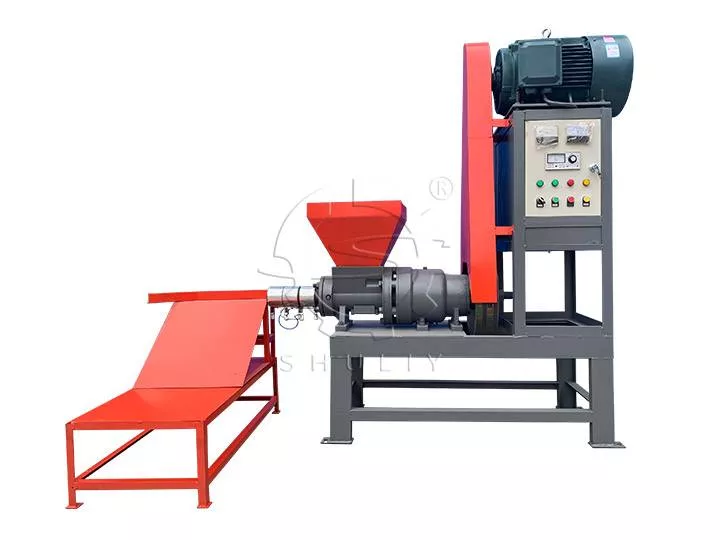
Пеллетный пресс для обработки биомассы
Машина для производства древесного угля из биомассы может экструдировать и придавать форму…
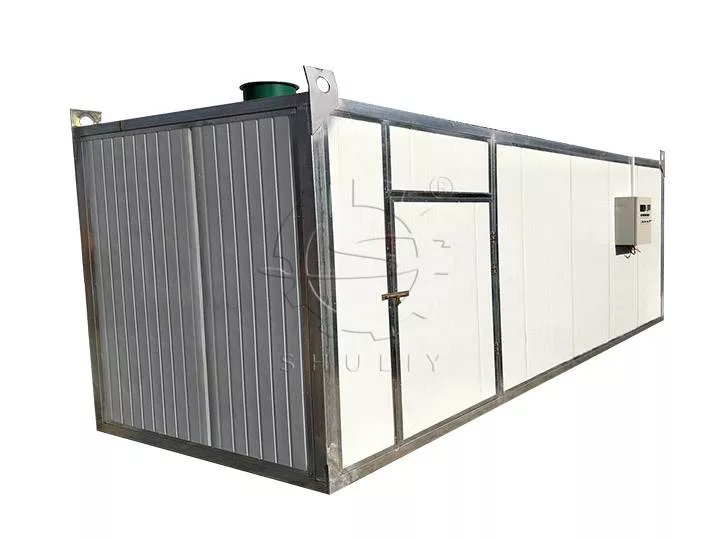
Сушилка для брикетированного угля для производства шишкового угля
Брикетная угольная сушилка относится к испарению…
Большая дробилка молоткового типа для производства опилок
Древесный молотковый дробильный станок работает за счёт использования…
Автоматическая пиломатериальная станция для переработки древесины
Лесопильный станок распиливает большие бревна на…
Комплексная дробилка для переработки древесины с большой мощностью
Комплексный дробитель предназначен для измельчения…
Машина для измельчения древесины для изготовления опилок
Машина для дробления древесины оснащена высокоскоростными вращающимися ножами…