
Машина для производства брикетов опилок для линии по переработке древесного угля из биомассы
Экструдер для брикетов биомассы | Машина для производства брикетов Пини Кей
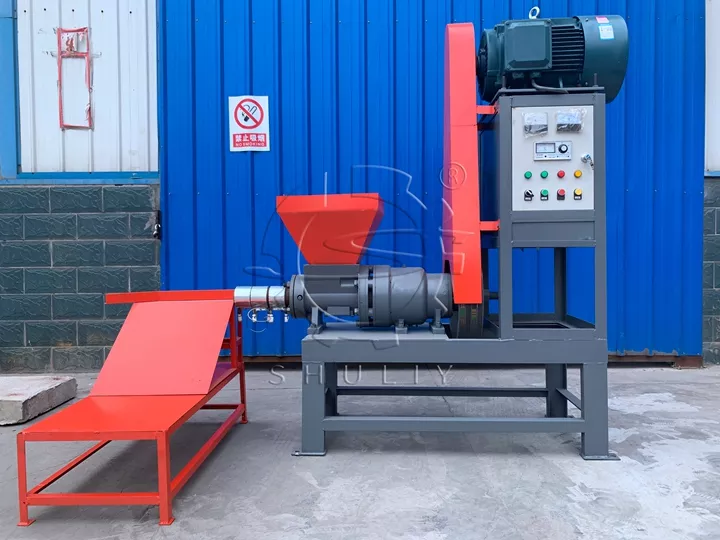
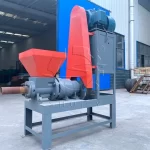
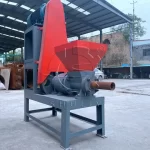
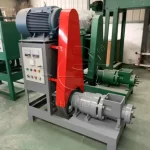
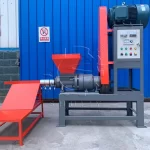
Машина для производства брикетов опилок для линии по переработке древесного угля из биомассы
Экструдер для брикетов биомассы | Машина для производства брикетов Пини Кей
Обзор функций
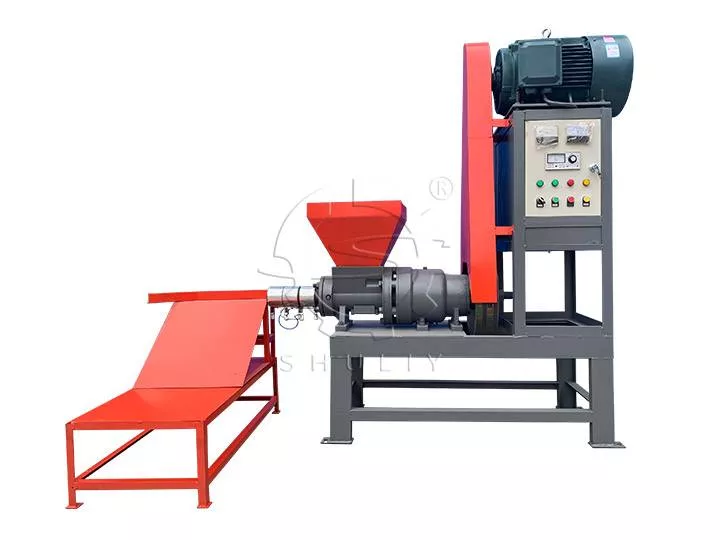
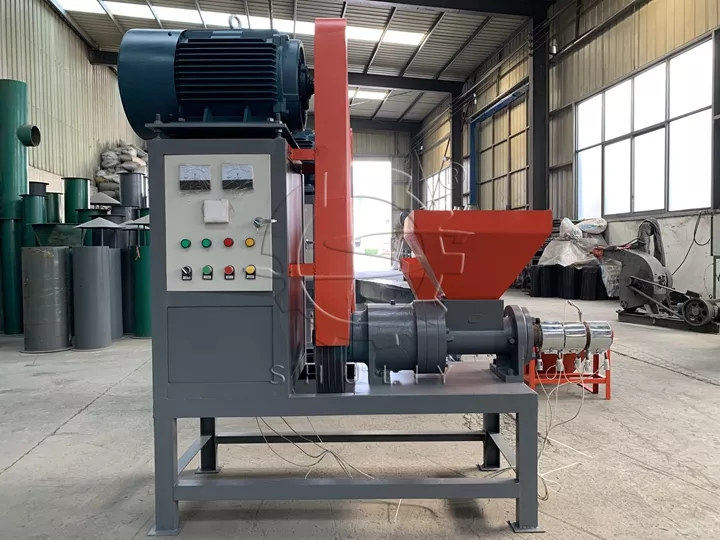
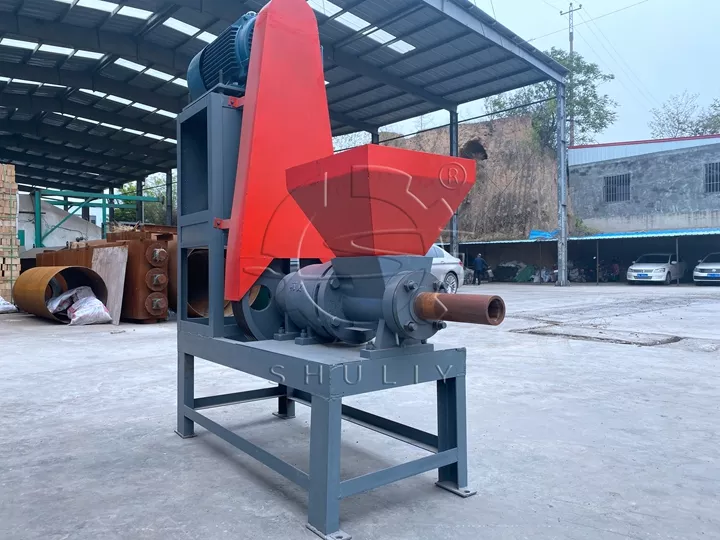
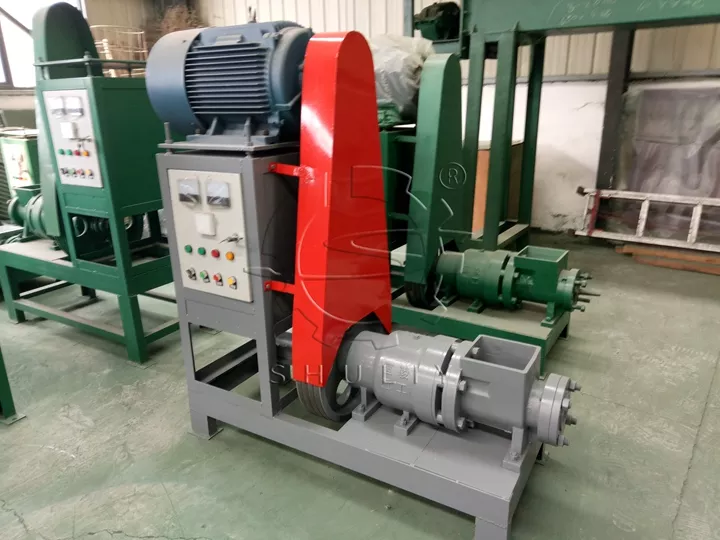
A машина для производства брикетов из опилок is specialized briquetting equipment designed to compress loose biomass materials into dense, uniform briquettes without requiring any external binders.
Эта винтовая машина для брикетирования работает при высоких температурах (260-380°C) и давлении, используя натуральный лигнин в древесных материалах как внутренний связующий агент.
The resulting biomass briquettes achieve a density of 1.1-1.3 г/см³—nearly 10 times denser than raw sawdust—and deliver a calorific value of 4 000-5 000 ккал/кг, making them a viable renewable alternative to fossil fuels for industrial and domestic applications.
Почему стоит инвестировать в машину для изготовления опилочных брикетов?
Инвестиции в производство брикетов из биомассы приносят измеримые экономические и операционные преимущества для предприятий, работающих с древесными отходами или сельскохозяйственными остатками:
- Снижение затрат: Преобразуйте отходы (оцениваемые в $0-20/тонну) в коммерческие топливные продукты стоимостью $150-400/тонну, создавая ценность из утилизационных обязательств.
- Диверсификация доходов: Откройте новые источники дохода через продажу брикетов для электростанций, ресторанов и жилых рынков
- Эффективность хранения: Брикеты занимают на 70-80% меньше объема, чем исходная биомасса, что снижает требования к складу и транспортировке.
- Продленное время горения: Брикеты с высокой плотностью горят в 3-4 раза дольше, чем рыхлая биомасса, что повышает эффективность топлива для конечных пользователей
- Снижение выбросов: Полное сгорание выделяет меньше дыма и частиц по сравнению с сжиганием сырой древесины
- Влагостойкость: Брикеты поглощают меньше атмосферной влаги, сохраняя стабильные характеристики горения
Требования к сырью и подготовке
The briquette press processes a wide range of lignocellulosic materials to produce quality древесный брикет products. Understanding material specifications ensures optimal briquette quality and briquette maker performance.
Обрабатываемые материалы
- Древесные отходы: Опилки, древесная щепа, стружка, кора, ветки, обрезки деревьев — идеально для древесный брикет производство
- Сельскохозяйственные отходы: Рисовая шелуха, арахисовые скорлупы, кокосовые скорлупы, кукурузные кочаны, хлопчатниковые стебли
- Промышленные побочные продукты: Жом (отходы сахарного тростника), бамбуковый отход, обрезки мебельной фабрики
- Другие виды биомассы: солома, сено, шлам бумажных фабрик (с ограничениями)
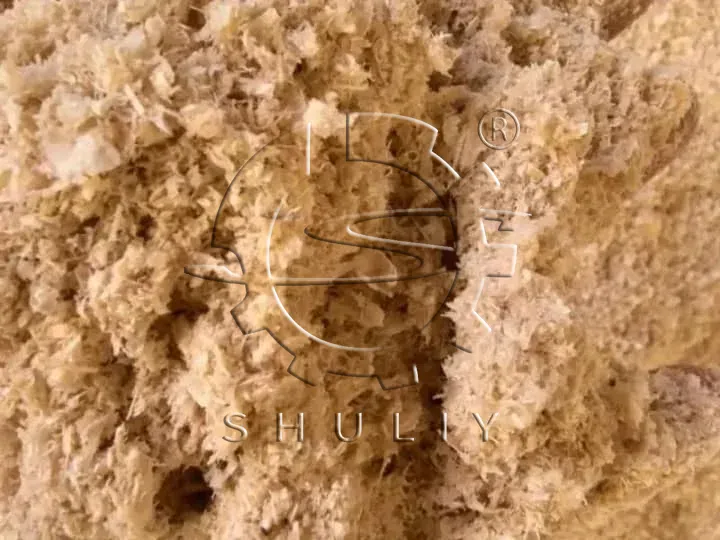
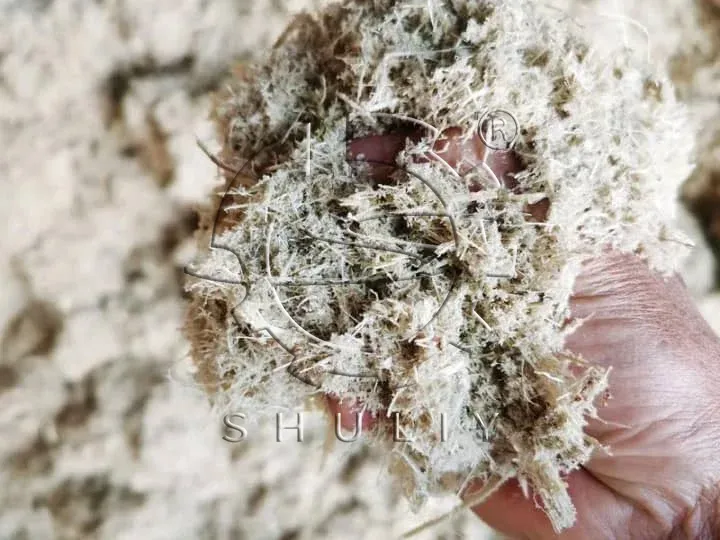
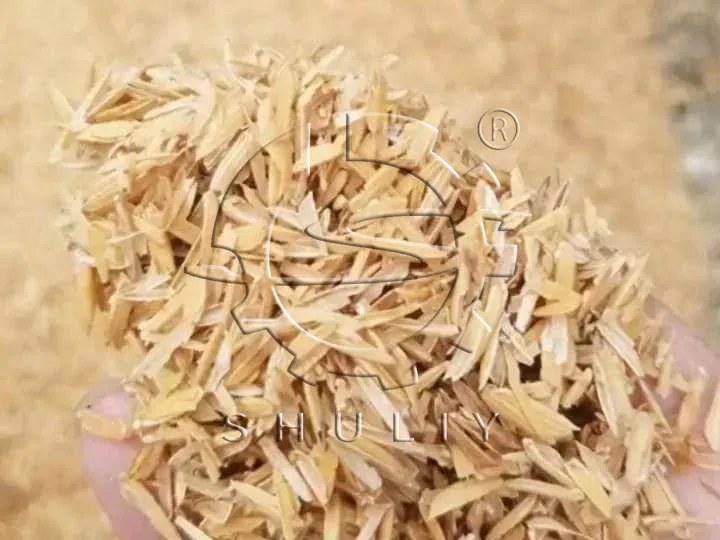

Технические характеристики
| Параметр | Требование | Обработка Решения |
|---|---|---|
| Влажность | 8-12% (оптимально) | Используйте вращающаяся барабанная сушилка если >20% |
| Размер частиц | ≤5 мм | Используйте молотковая дробилка если >20% |
| Содержание лигнина | >=15% | Смешивайте с древесными материалами при недостаточной |
| Иностранные материалы | Удалите металл, камни | Рекомендуется магнитный сепаратор |
Direct processing: Materials with moisture ≤20% can be fed directly into the briquette machine, as the heating system will evaporate excess moisture during extrusion. Materials with moisture >20% require pre-drying to prevent steam formation that can damage the briquette structure.
Рабочий процесс изготовления брикетов из опилок
Производство готовых к рынку биомассовых брикетов с помощью этой машины для изготовления опилок включает два основных этапа:
Шаг 01: Брикетирование (экструзия)
- Подготовка: Сырье измельчается до ≤5 мм и высушивается до влажности 8-12%
- Нагрев: Нагревательное кольцо пресса достигает 260-380°C (обычно начиная с 280°C для древесных материалов)
- Подача: Подготовленный материал поступает в бункер и транспортируется вращающимся винтовым валом
- Экструзия: Высоконапорное прессование (20-30 МПа) проталкивает материал через формующую матрицу прессовать дерево волокна
- Формирование: Лигнин размягчается под действием тепла и давления, связывая волокна вместе при выходе брикетов из матрицы
- Резка: Брикеты нарезаются до нужной длины (обычно 30-50 см) регулируемым барьером
Шаг 02: Карбонизация (по желанию)
For applications requiring higher calorific value and longer burn time, briquettes undergo carbonization in a печь для карбонизации:
- Брикеты загружаются в камеру для карбонизации
- Температура повышается до 400-600°C в условиях с ограниченным кислородом
- Летучие соединения испаряются, оставляя углеродистый уголь
- Калорийность увеличивается до 6 500-7 500 ккал/кг
- Готовые угольные брикеты охлаждаются и упаковываются
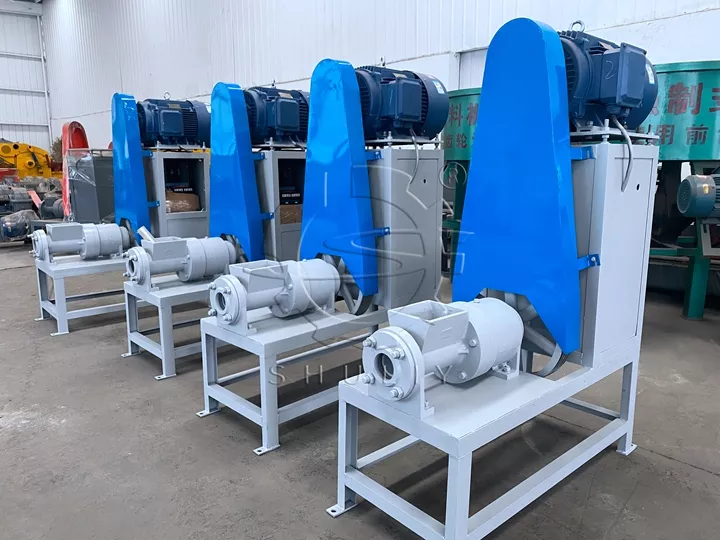
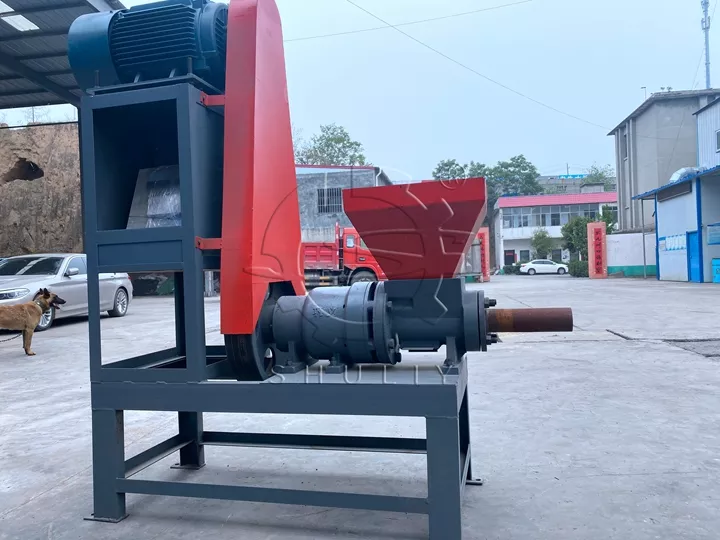
Технические характеристики машины для изготовления опилочных брикетов
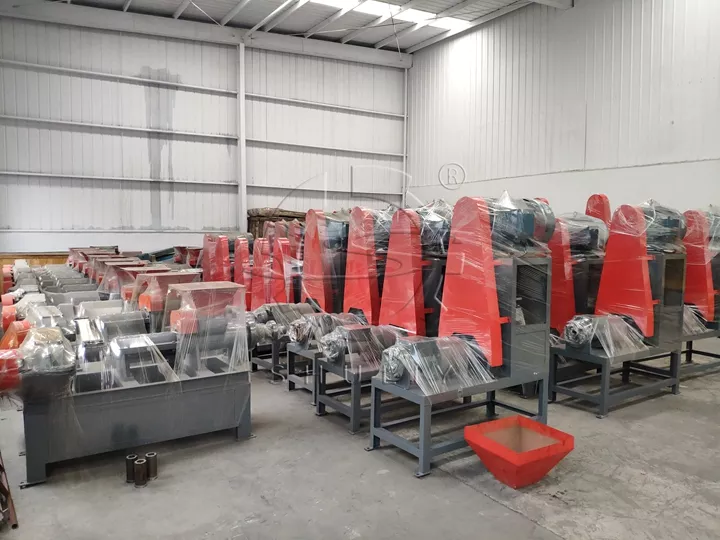
Наш briquette press machine и biomass briquette press models are designed for efficient biomass processing:
| Модель | СЛ-140 | SL-180 | SL-220 |
|---|---|---|---|
| Емкость | 180-220 кг/ч | 280-320 кг/ч | 400-500 кг/ч |
| Мощность главного двигателя | 11 кВт | 18.5 кВт | 22 кВт |
| Мощность нагрева | 4.5 кВт | 6 кВт | 6 кВт |
| Общая мощность | 15.5 кВт | 24.5 кВт | 28 кВт |
| Температура нагрева | 260-380°C | 260-380°C | 260-380°C |
| Диаметр брикетов | 48-50 мм | 48-50 мм | 48-50 мм |
| Плотность брикетов | 1.1-1.3 г/см³ | 1.1-1.3 г/см³ | 1.1-1.3 г/см³ |
| Масса машины | 580 кг | 680 кг | 780 кг |
| Размеры (Д×Ш×В) | 1850×600×1450 мм | 2270×600×1580 мм | 2390×680×1780 мм |
Power requirements: 380V, 50Hz, 3-phase (customizable for local electrical standards)
Machine color customization: Standard industrial gray (custom RAL colors available for orders of 3+ units)
Принцип работы: как формируются брикеты без связующих веществ
The wood pressure machine operates on the principle of lignin thermoplasticization—a unique property that eliminates the need for chemical binders. This wooden press machine uses sawdust compressor technology to transform loose biomass into dense fuel.
Наука о натуральном связывании
Лигнин, составляющий 15-30% сухого веса древесины, — сложный полимер, который действует как природный клей в клеточных стенках растений. При воздействии:
- Высокое давление (20-30 МПа): Плотно соединяет волокна в тесный контакт
- Повышенная температура (260-380°C): Размягчает лигнин до пластичного состояния
- Трение и тепло: Дополнительное тепло, выделяемое вращением винта (50-80°C)
The lignin flows between wood fibers, creating molecular bonds that solidify upon cooling. This briquetting process produces briquettes with structural integrity comparable to those made with synthetic binders—but without chemical additives or additional material costs.
Ключевые параметры процесса
| Параметр | Диапазон | Влияние на выход |
|---|---|---|
| Коэффициент сжатия | Соотношение 3:1 до 5:1 | Более высокий коэффициент = более плотные брикеты |
| Скорость винта | 200-400 об/мин | Влияет на пропускную способность и плотность |
| Температура матрицы | 260-380°C | Слишком низко — плохое связывание, слишком высоко — пригорание |
| Подача | Постоянный поток | Предотвращает застревание и обеспечивает однородность |
Структура машины и ключевые компоненты
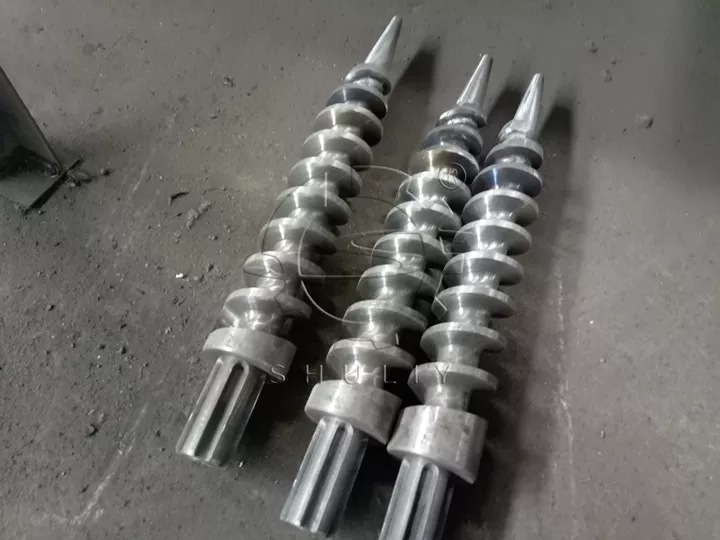
Вал винтового пропеллера
The screw shaft is the core component responsible for material conveyance and compression. Our shafts are manufactured from Cr40 alloy steel (40Cr), heat-treated to achieve:
- Твердость: HRC 55-60 после поверхностной обработки
- Модуль упругости: ≥980 МПа
- Износостойкость: покрытие электродов из вольфрамового карбида на передней спиральной секции увеличивает срок службы на 300%
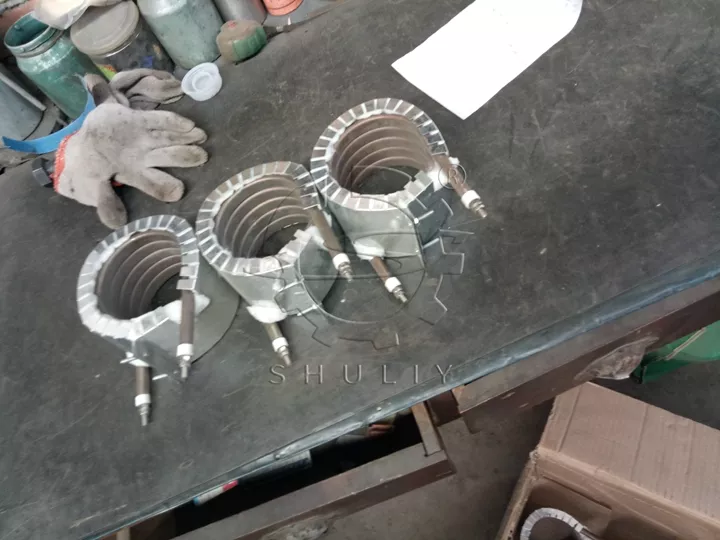
Нагревательное устройство
Нагревательная система состоит из литых алюминиевых нагревательных колец с встроенными керамическими нагревательными элементами:
- Власть: 4.5-6 кВт в зависимости от модели
- Контроль температуры: ПИД-контроллер с точностью ±5°C
- Время разогрева: 15-20 минут до достижения рабочей температуры
- Распределение тепла: Равномерное окружное нагревание предотвращает горячие точки
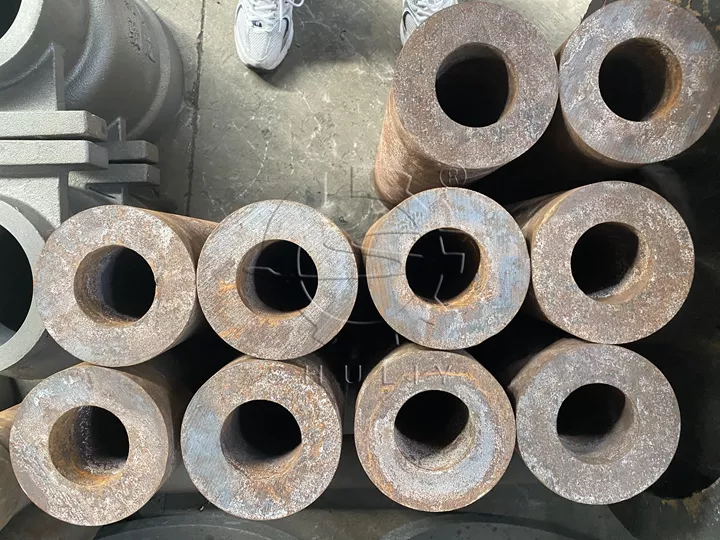
Втулка для брикетирования (формовочная матрица)
Формовочная матрица определяет форму и плотность брикета:
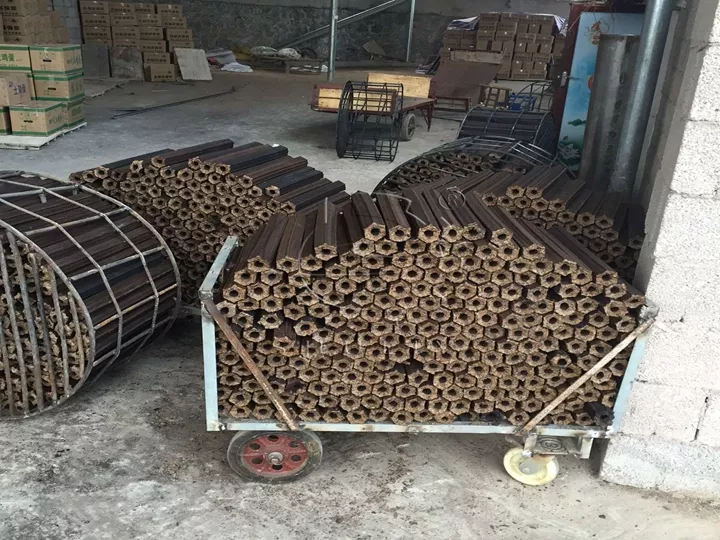
- Стандартные формы: Шестигранное полое (самое распространенное), квадратное твердое, круглое полое
- Стандартный диаметр: 48-50 мм (настраиваемо 40-80 мм)
- Материал: Высокоуглеродистая инструментальная сталь (T10) с поверхностным закаливанием
- Цикл замены: 1-2 года при нормальной эксплуатации (800-1200 часов работы)
Система смазки
Автоматические точки смазки подшипников обеспечивают:
- Снижение трения и износа вращающихся компонентов
- Продленный срок службы подшипников (более 50 000 часов при обслуживании)
- Постоянная рабочая температура приводной системы
Шнековая пресса против гидравлической и кирпичной: техническое сравнение
Understanding the differences between screw press (extruder), ram press (piston), and brick compressor briquetting press technologies helps select the appropriate briquette maker equipment for your application:
| Особенность | Шнековая пресса (Этот станок) | Гидравлическая пресса (поршневого типа) |
|---|---|---|
| Механизм | Непрерывная экструзия шнеком | Распределительный поршень компрессии |
| Режим производства | Непрерывный | Партия/прерывистый режим |
| Производительность | Более высокий (180-500 кг/ч) | Ниже (80-200 кг/ч) |
| Плотность брикетов | 1.1-1.3 г/см³ | 1.0-1.2 г/см³ |
| Выделение тепла | Внутреннее трение нагревательное кольцо | Минимальный (требуется внешнее предварительное нагревание) |
| Потребление энергии | 15-28 кВт | 7-15 кВт |
| Лучше всего для | Древесные материалы, массовое производство | Сельскохозяйственные отходы, малый объем |
| Обслуживание | Мониторинг износа винта | Замена поршневого уплотнения |
Преимущества концентрической конструкции отверстия
Наши втулки для брикетирования имеют концентрическую конструкцию отверстия, обеспечивающую:
- Улучшенное сгорание: Полый центр обеспечивает циркуляцию воздуха через брикет, способствуя полному сгоранию
- Более быстрое зажигание: Уменьшенная масса в центре быстро нагревается как изнутри, так и снаружи
- Целостность конструкции: Равномерная толщина стенки предотвращает трещины при сушке и обращении
- Снижение расхода материала: На 15-20% меньше сырья на брикет при сохранении времени горения
Как производить высококачественные брикеты с помощью опилкобрикетной машины?
Для получения стабильных, рыночных брикетов необходимо учитывать параметры процесса и обращение с материалом:
Оптимальные параметры процесса
| Параметр | Целевой диапазон | Влияние качества |
|---|---|---|
| Влажность сырья | 12-18% | Слишком сухой = хрупкий, слишком влажный = трещины расширения |
| Температура матрицы | 280-320°C (дерево) | Влияет на пластикацию лигнина |
| Последовательность подачи | Непрерывный, равномерный | Предотвращает вариации плотности |
| Длина брикета | 30-50 см | Оптимально для обработки и упаковки |
Показатели качества
- Плотность: 1.1-1.3 г/см³ (по методу вытеснения воды)
- Испытание на падение: Брикеты не должны разрушаться при падении с высоты 1 метр
- Обработка поверхности: Гладкие, равномерные следы экструзии указывают на правильную температуру
- Цвет: Золотисто-коричневый до темно-коричневого (черный указывает на перегрев)
- Теплотворная способность: 4 000-5 000 ккал/кг для сырого брикета, и 6 500 ккал/кг после карбонизации
Характеристики готового продукта и упаковка
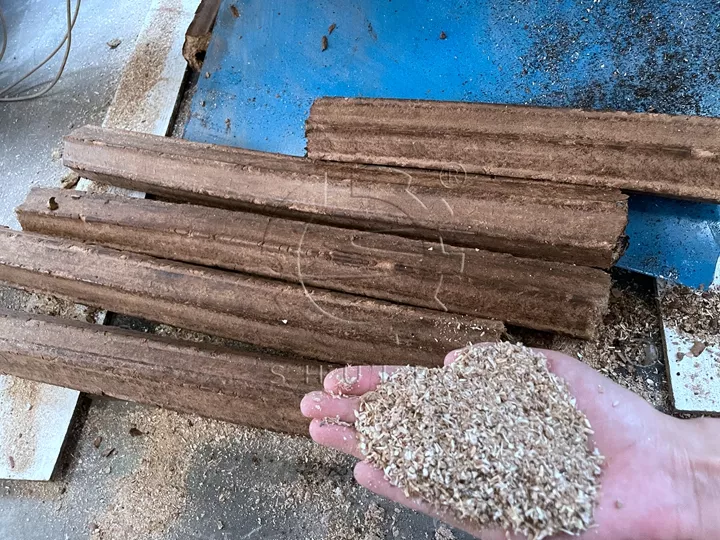
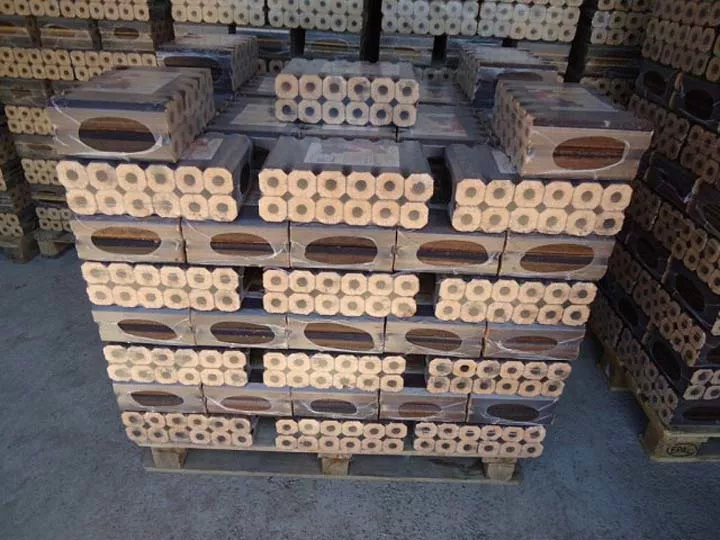
After extrusion, the sawdust briquette maker produces compacted sawdust logs that are packaged using heat-shrink film, which provides:
- Защита от влаги: Предотвращает поглощение атмосферной влажности во время хранения
- Удобство обращения: Упаковки по 10-15 кг удобны для розничных и промышленных пользователей
- Видимость бренда: Печать на shrink-оболочке для маркетинга
Стандартные характеристики брикетов
| Свойство | Спецификация |
|---|---|
| Внешний диаметр | 46-50 мм (настраиваемый) |
| Внутренний диаметр (полый) | 10-20 мм |
| Длина | Регулируемый (обычно 30-50 см) |
| Плотность | 1.1-1.3 г/см³ |
| Топливная ценность | 4 000-5 000 ккал/кг |
| Влажность | <8% (после охлаждения) |
| Содержание золы | Выход опилкобрикетов 1-3% (зависит от сырья) |
Также известен как: выход из пресса для опилок, опилкобрикет, древесный брикет
Области применения и конечные рынки опилкобрикетов
Опилки-брикеты обслуживают различные рынки с разными требованиями к качеству:
Промышленные применения
- Генерация электроэнергии: Биомассовые электростанции используют брикеты как стабильное, высокоэнергетическое сырье для котлов. Стандартизированный размер и влажность позволяют автоматизированным системам подачи.
- Промышленные котлы: Производственные предприятия заменяют уголь брикетами для снижения выбросов углерода и соблюдения экологических требований. Брикеты выделяют на 50-70% меньше золы, чем уголь.
- Металлургия: Литейные заводы используют карбонизированные брикеты как восстановитель и источник тепла при переработке цветных металлов.
Коммерческое и бытовое использование
- Рестораны и коммерческое приготовление пищи: Брикеты обеспечивают стабильную, высокотемпературную отдачу, идеально подходящую для тандуров, грилей и коммерческих печей. Длительное время горения (4-6 часов) уменьшает частоту дозаправки.
- Отопление дома: В регионах с холодными зимами брикеты служат чистым альтернативным топливом вместо дров и угля в печах и каминах.
- Барбекю и гриль: Карбонизированные брикеты горят без дыма и запаха, что предпочтительно для приготовления пищи.
Экологические преимущества
- Цикл нейтрализации CO₂: CO₂, выделяемый при сгорании, равен CO₂, поглощенному растениями во время роста
- Утилизация отходов: Преобразует отходы утилизации в ценные продукты
- Снижение вырубки леса: Снижение спроса на заготовку дров
- Обработка почвы: Зола после сгорания (содержание фосфора 1-3%) используется как удобрение
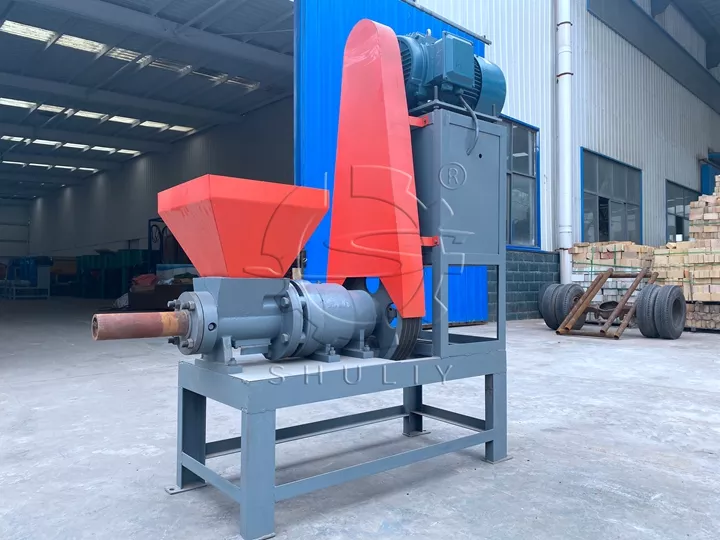
Преимущества и улучшения машины для опилкобрикетов
Наши машины для изготовления брикетов из опилок включают инженерные улучшения, разработанные за 15 лет производства и отзывов клиентов:
- Поддержка с четырьмя подшипниками: Обновлено с трех подшипников до четырех, равномерно распределяя нагрузку и увеличивая срок службы подшипников на 40%
- Увеличенный шаг винта: Оптимизированная спиральная геометрия увеличивает пропускную способность материала на 25% без снижения плотности
- Улучшенный дизайн формовочного цилиндра: Снижение трения между матрицей и материалом снижает потребление энергии на 15%, увеличивая плотность брикета
- Материалы высокого качества: Конструкция из стали Cr40 с твердосплавной обработкой поверхности из твердого сплава на изнашиваемых компонентах обеспечивает срок службы 3-5 лет при нормальной эксплуатации
- Универсальная совместимость с биомассой: Разработано для обработки различных сырьевых материалов с минимальной настройкой
- Энергоэффективность: Оптимизированный дизайн мотора и трансмиссии снижает потребление энергии на 20% по сравнению с предыдущими моделями
Часто задаваемые вопросы
Какова калорийность опилочных брикетов по сравнению с углем?
Опилочные брикеты имеют калорийность 4000-5000 ккал/кг в сыром виде и 6500-7500 ккал/кг после карбонизации. Это сравнимо с 5000-7000 ккал/кг у стандартного угля.
Какие сырьевые материалы можно использовать в машине для изготовления опилочных брикетов?
Машина обрабатывает любой лигноцеллюлозный материал, включая древесную пыль, щепу, стружку, рисовую шелуху, арахисовые скорлупы, кокосовые скорлупы, кукурузные кочаны, жом, бамбуковый отход и хлопчатниковые стебли. Основное требование — содержание лигнина выше 15% для естественного связывания. Материалы должны быть измельчены до ≤5 мм и высушены до влажности 8-12% перед обработкой.
Какие размеры и формы брикетов можно производить?
Стандартный диаметр брикетов варьируется от 40 до 80 мм, наиболее распространен 48-50 мм. Стандартные формы включают шестиугольные полые (самые популярные), квадратные сплошные и круглые полые. Специальные формы можно получить с помощью индивидуальных матриц. Длина регулируется от 10 до 100 см с помощью режущего барьера, стандарт — 30-50 см для упаковки. Внутренний диаметр отверстия (для полых брикетов) обычно составляет 10-20 мм.
Можно ли настроить машину для изготовления опилочных брикетов под конкретные требования?
Да, мы предлагаем индивидуализацию, включая: электрические характеристики (220В/380В, 50Гц/60Гц), формы и размеры матрицы для брикетов, цвет машины (коды RAL), емкость бункера и интеграцию с конвейером. При заказе 3 единиц мы можем разработать индивидуальные спецификации, включая модели с большей емкостью, специализированные системы подачи и интеграцию с существующими линиями производства.
Как часто нужно заменять изнашиваемые части?
Оболочка для брикетирования (формующая матрица) обычно служит 1-2 года (800-1200 часов работы), в зависимости от износа материала. Винтовой вал износостойкий с покрытием из вольфрамового карбида служит 2-3 года. Не покрытые вольфрамовым карбидом валы требуют замены каждые 6-12 месяцев. Теплообменные элементы работают 3-5 лет. Подшипники — более 50 000 часов при правильной смазке. Все запасные части есть в наличии для немедленной отправки, а также предоставляются графики обслуживания.
Требуются ли связующие или добавки?
При обработке лигнинсодержащих материалов (дерево, большинство сельскохозяйственных остатков) не требуются внешние связующие. Натуральный лигнин (15-30% в дереве) размягчается под действием тепла и давления, действуя как внутренний связующий агент. Это исключает необходимость в оборудовании для смешивания связующих. Однако материалы с очень низким содержанием лигнина (чистая рисовая шелуха, некоторые соломы) могут выиграть от добавления 2-5% крахмала или глины для повышения прочности.
Дополнительное оборудование для полного комплекта опилкобрикетов Производственные линии
Машина для опилкобрикетов обычно является частью интегрированной системы переработки биомассы:
- Молотковая дробилка: Уменьшает размер сырья до ≤5 мм, необходимого для брикетирования
- Ротационная сушилка барабанного типа: Уменьшает влажность с 30-50% до 8-12% для оптимального качества брикетов
- Карбонизационная печь: Преобразует сырые брикетки в высокоэнергетический уголь (опционально для премиальных продуктов)
- Упаковочная машина: Автоматическая упаковка для розничной и оптовой торговли
We provide complete sawdust briquette production lines with integrated material handling, process control, and quality monitoring systems. Our engineering team designs layouts optimized for your available space, raw materials, and production targets.
Свяжитесь с нами для бесплатной консультации и расчета, адаптированного к вашим конкретным требованиям. Shuliy предлагает испытания на заводе с вашими сырьевыми материалами, контроль за установкой, обучение операторов и постоянную техническую поддержку для нашей линейки машин для производства биомассы-брикетов.
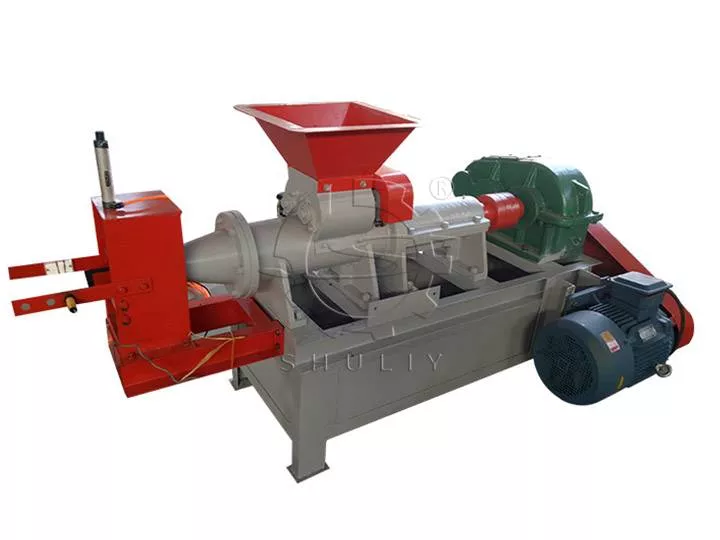
Машина для производства брикетов из древесного угля для линии производства топлива
Машина для производства угольных брикетов предназначена для прессования угля или…
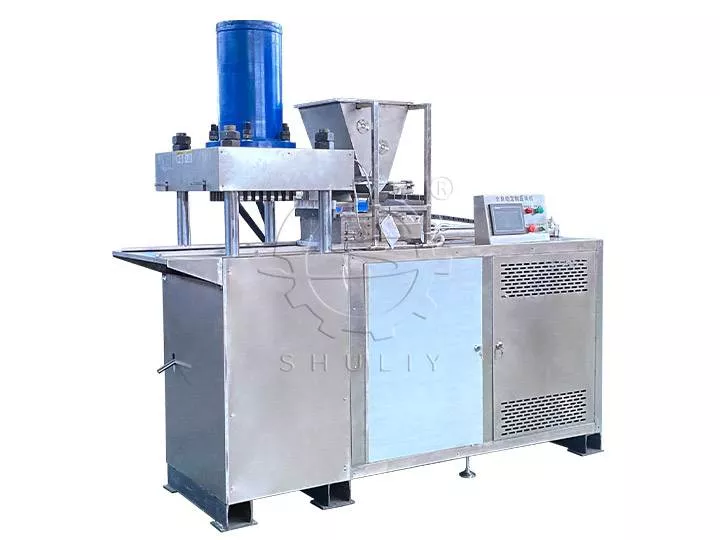
Нержавеющая сталь машина для изготовления кальяна из угля для таблеток кальяна
Таблетки для кальянного угля, произведённые гидравлической шишей из нержавеющей стали…
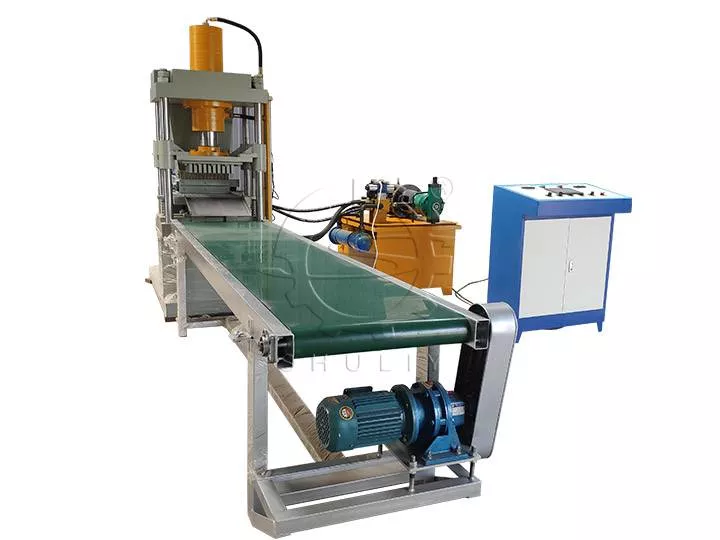
Гидравлическая машина для формирования брикетов из шиши из угля
Гидравлическая машина для производства кальянных угольных брикетов использует гидравлические технологии для…
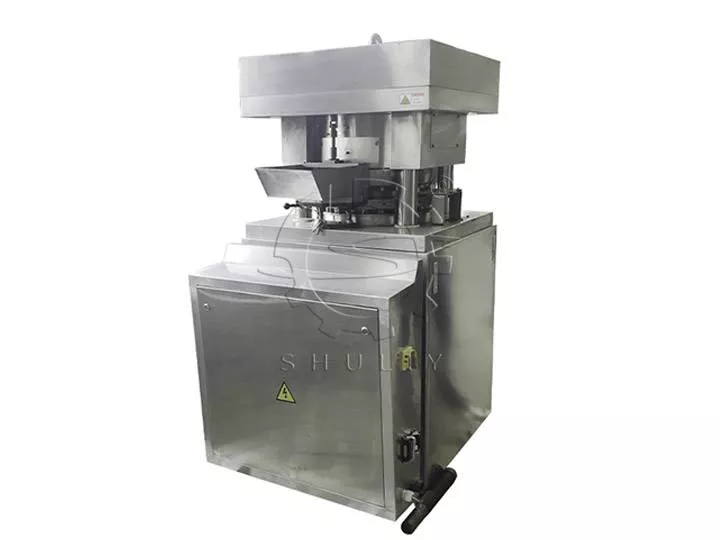
Ротационный аппарат для изготовления кальяна из угля для кальянных
Роторная машина для изготовления угля для кальяна — автоматическая, с двойным прессованием…
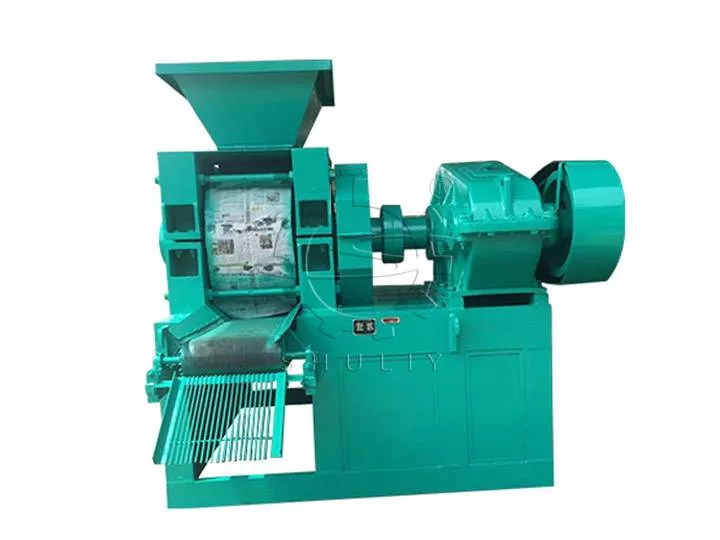
Пресс для угольных шариков для индустрии барбекю
Машины для прессования угольных шариков разработаны для сжатия рыхлого…
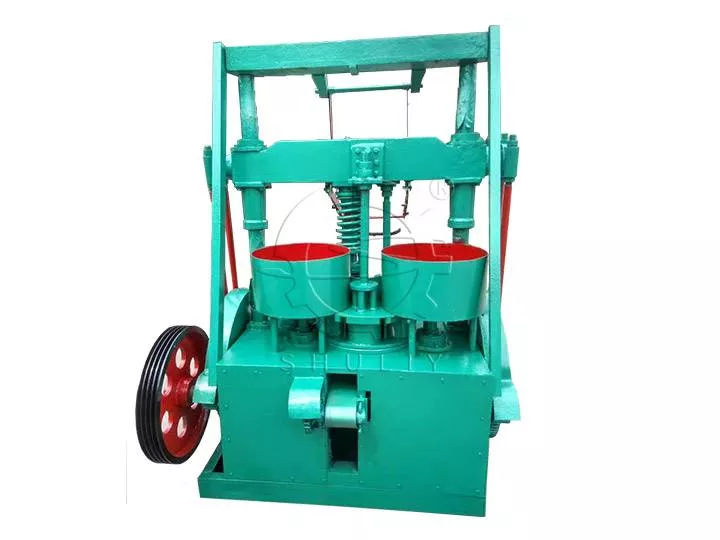
Клетчатая машина для формирования брикетов из угля
Машина для производства угля «соты» предназначена для использования хорошо переработанного угля…
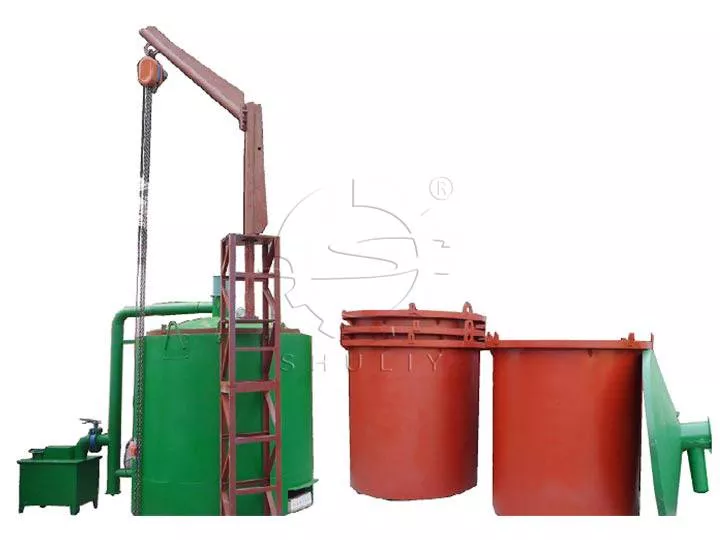
Вертикальная коксующая печь для производства угля
Подъёмная карбонизационная печь используется для обжига древесины или…
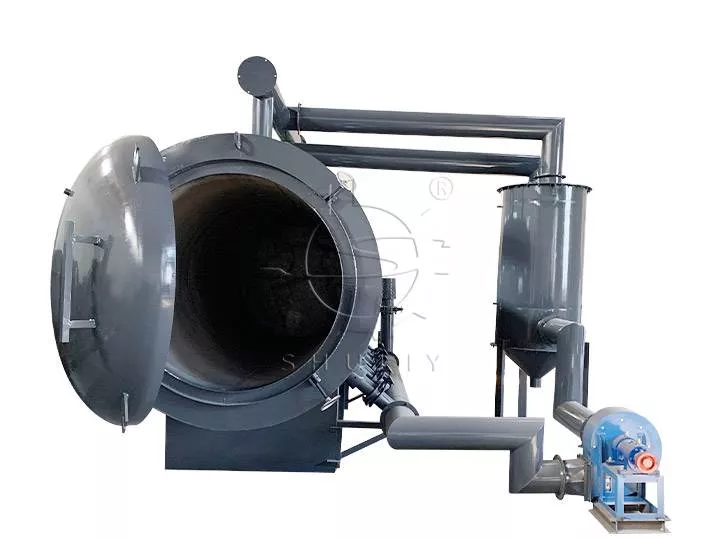
Горизонтальная коксующая печь для обработки кускового угля
Горизонтальная карбонизационная печь — это вид оборудования для…
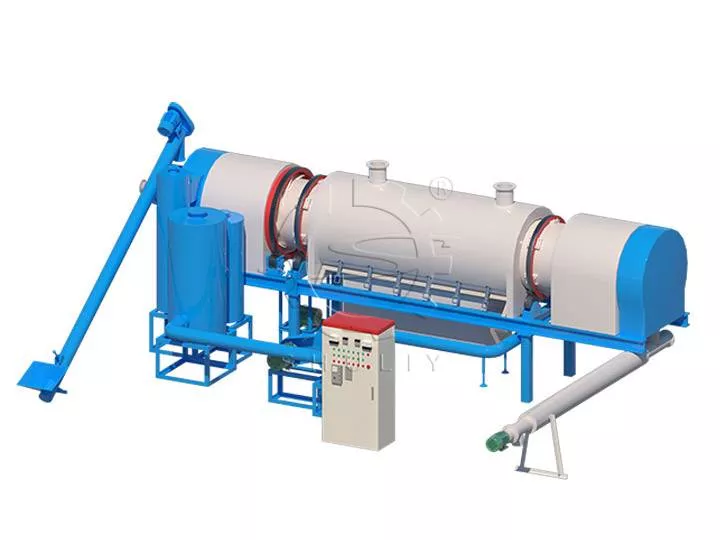
Непрерывная коксующая печь для производства угля из рисовой шелухи
Непрерывная печь для карбонизации угля — идеальное оборудование для сухой…
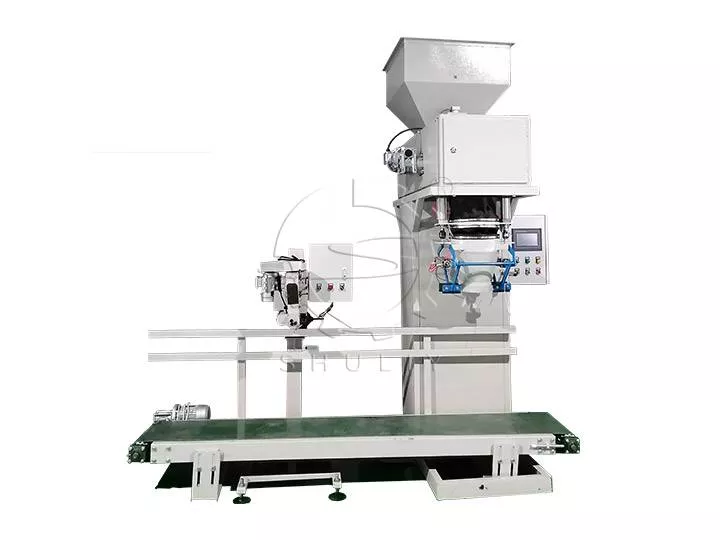
Упаковочная машина для угля для барбекю в линии производства брикетов
Упаковочная машина для древесного угля для барбекю — устройство, предназначенное для…
Горячий продукт
Мельница для кормовых гранул для животных
Гранулятор для корма используется для производства кормовых гранул для животных…
Гидравлическая машина для формирования брикетов из шиши из угля
Гидравлический станок для производства брикетов из угля для кальяна также является…
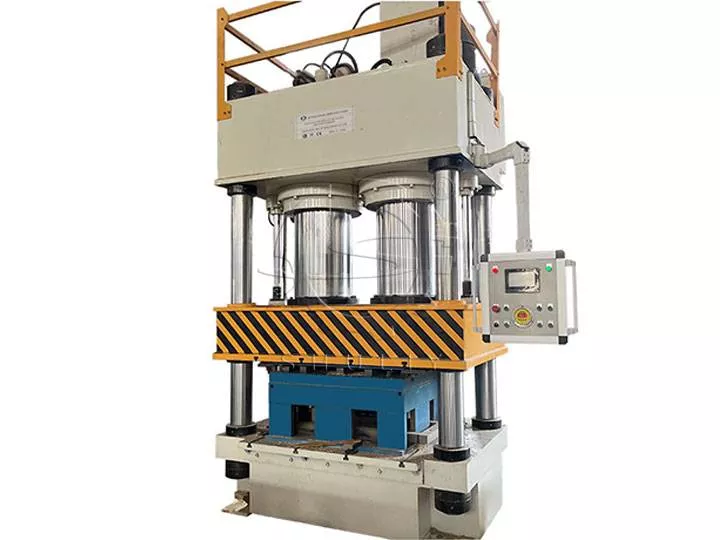
Автоматическая машина для прессования деревянных поддонов для продажи
Пресс для деревянных поддонов в основном обрабатывает сжатые деревянные…
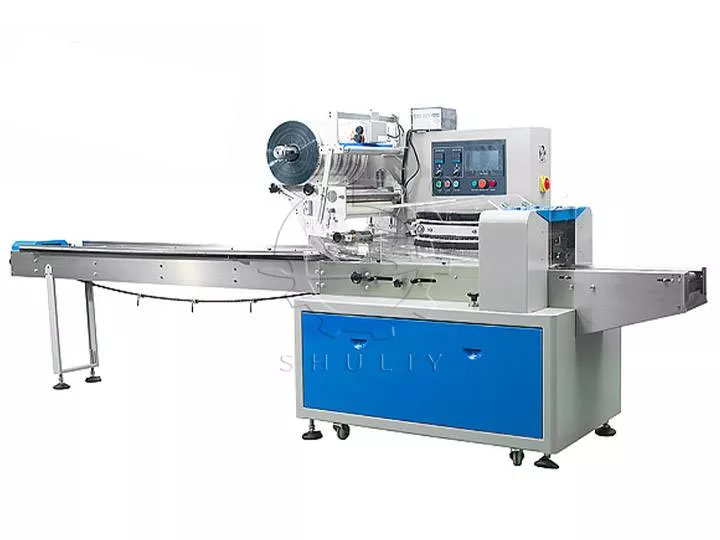
Многофункциональный упаковочный аппарат для угля для кальяна на продажу
Упаковочная машина для кальянного угля — специальное оборудование…
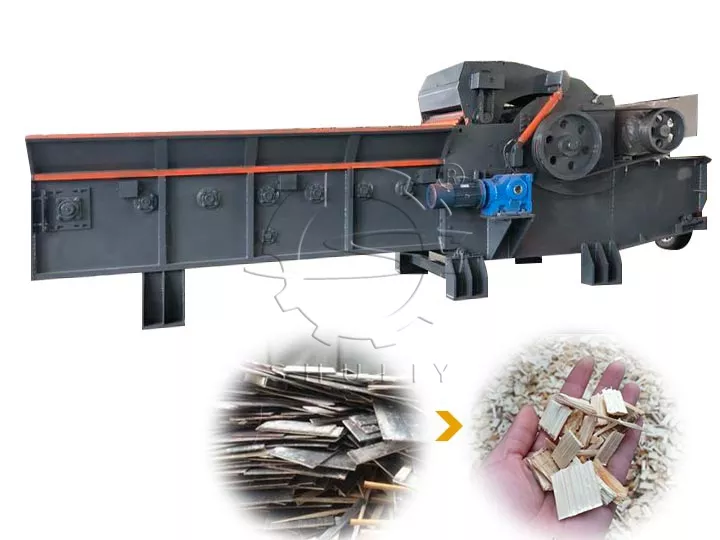
Комплексная дробилка для переработки древесины с большой мощностью
Комплексный дробитель предназначен для измельчения…
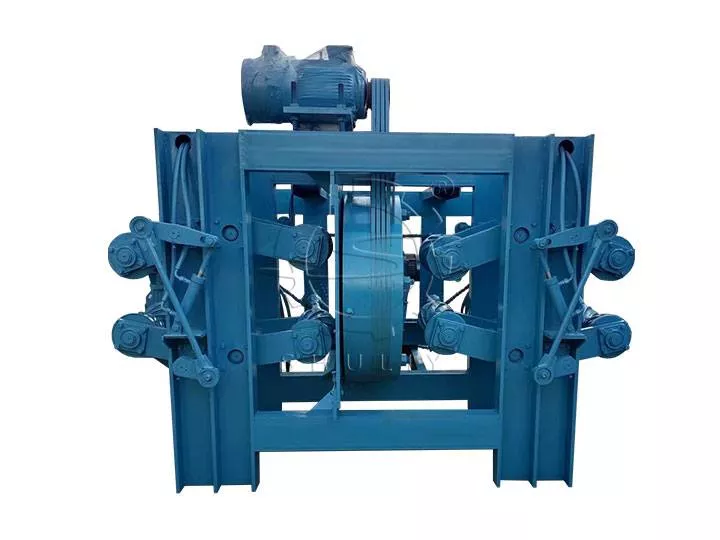
Машина для очистки древесины от коры, оборудование для очистки бревен
Оснащённые лезвиями из высокопрочного сплава и усовершенствованным роторным…
Нержавеющая сталь машина для изготовления кальяна из угля для таблеток кальяна
Машина для производства угля для кальяна также является…
Непрерывная коксующая печь для производства угля из рисовой шелухи
Непрерывная печь для карбонизации угля — идеальное оборудование…
Автоматическая пиломатериальная станция для переработки древесины
Лесопильный станок распиливает большие бревна на…