
Rotary Activation Furnace
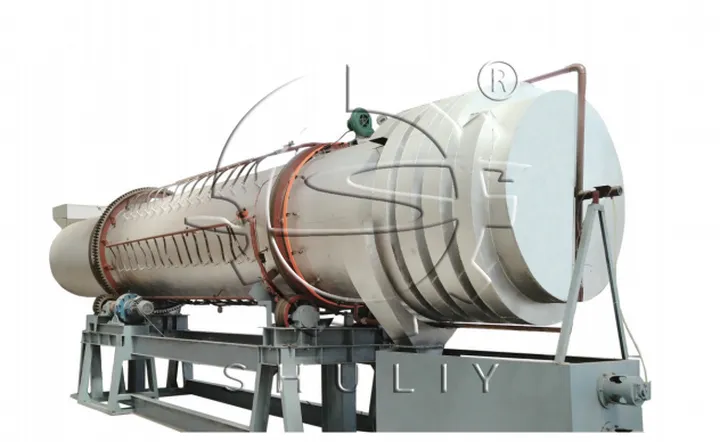
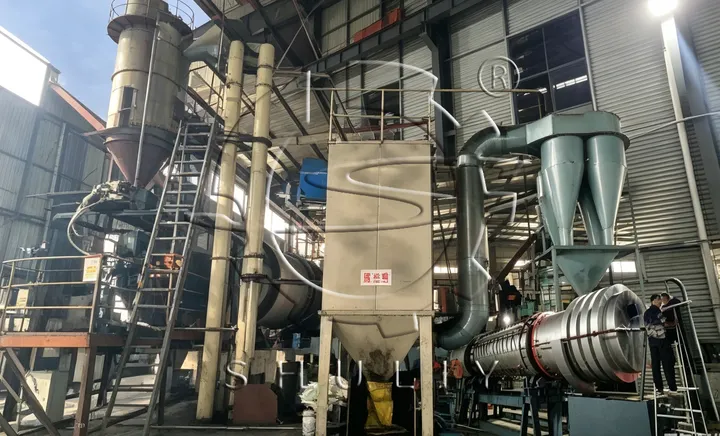
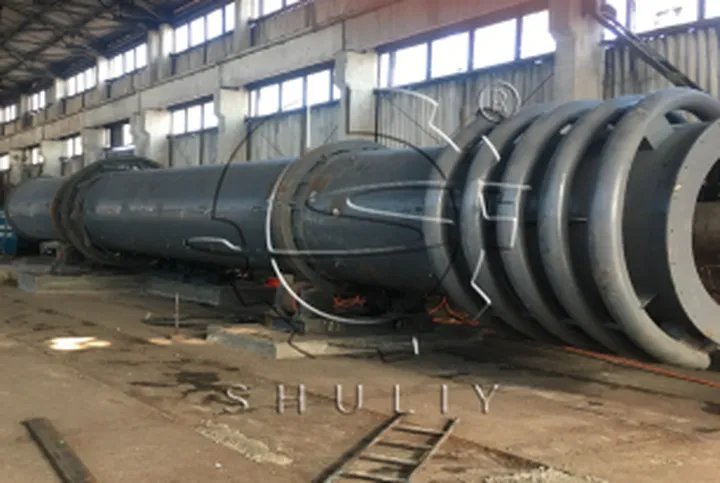
A rotary activation furnace is designed to activate carbonized materials, improving their pore structure and adsorption performance. It can process wood charcoal, coconut shell charcoal, bamboo charcoal, fruit shell charcoal, and other biomass-derived charcoal.
The equipment is available in external heat and internal heat types, with models covering approximately 2–10 t/day of yield and furnace specifications from Φ1.2 × 15 m to Φ2.6 × 20 m, providing options for different production requirements.
Through high-temperature activation, the carbonized material develops a more developed pore structure and improved adsorption performance. The rotary design keeps the material moving and tumbling inside the furnace, helping achieve more uniform heating and activation. The resulting activated carbon can be used for water purification, gas treatment, deodorization, industrial adsorption, and other applications.
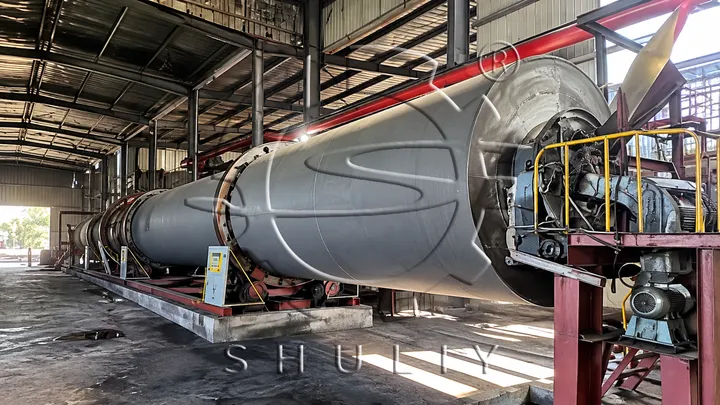
How Does the Rotary Activation Process Work?
The activation process generally includes the following stages:
- Füttern: Carbonized material is fed continuously into the rotating furnace. The feedstock should normally have a suitable particle size and moisture condition for the selected activation process.
- Heizung: The material moves through the heated section while its temperature gradually rises to the required activation range.
- Activation: At high temperatures, an activating medium, such as steam, reacts with the carbonized material. The reaction removes portions of carbon and develops a network of pores within the material.
- Cooling and Discharge: After reaching the required activation level, the activated carbon is discharged for cooling and subsequent processing such as crushing, screening, or grading.
Rotary Activation Furnace Technical Parameters
| Modell | Ausrüstung specification(m) | Auxiliary power(Kw) | Yield(t/day) | Outline size(mm) |
| External heat type | Φ1.2m×15m | 18.5 | 8 | 15000*1500*4000 |
| External heat type | Φ1.5m×15m | 25 | 10 | 18000*1500*4000 |
| Modell | Ausrüstung specification(m) | Auxiliary power(Kw) | Yield(t/day) | Outline size(mm) |
| Internal heat type | Φ1.6m×16m | 7.5-11 | 2 | 16000*2300*4000 |
| Internal heat type | Φ2m×20m | 7.5-15 | 2-5 | 20000*2700*4500 |
| Internal heat type | Φ2.2m×22m | 7.5-15 | 3-7 | 22000*3000*4500 |
| Internal heat type | Φ2.6m×20m | 7.5-15 | 4-8 | 26000*3600*5000 |
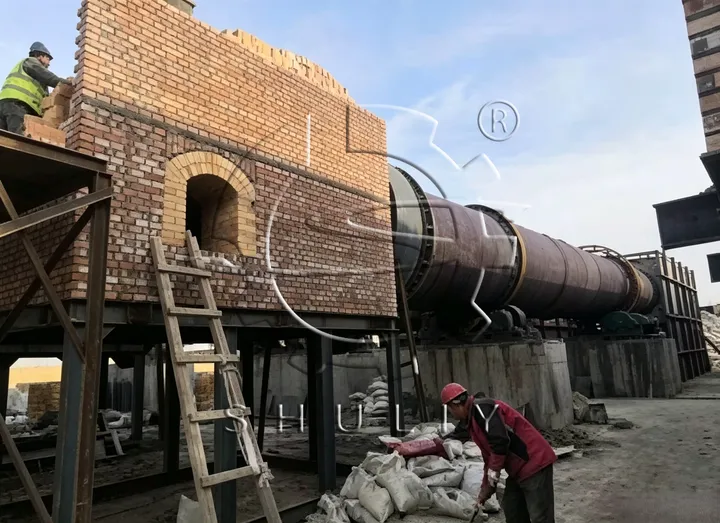
What Materials Can Be Activated?
The equipment can be used with different types of carbonized biomass, depending on the production requirements and furnace configuration.
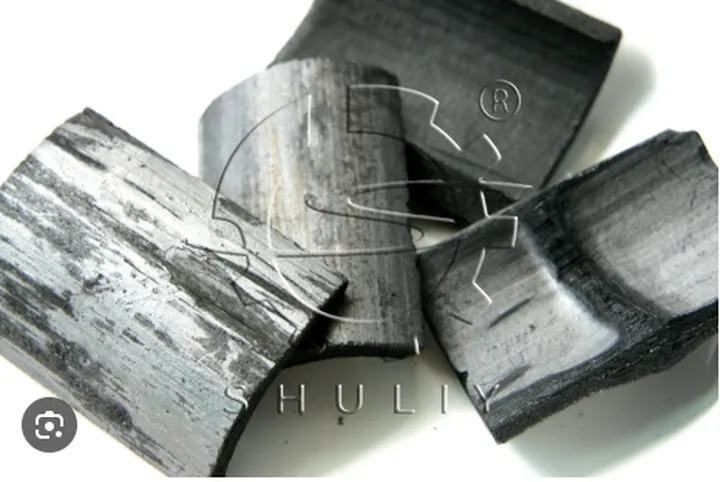
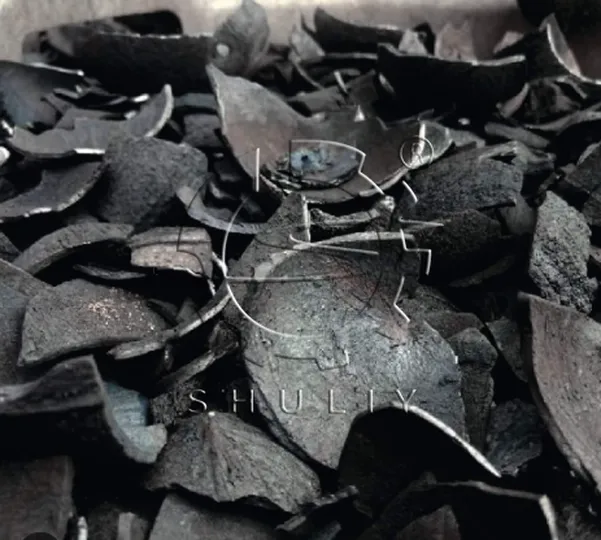
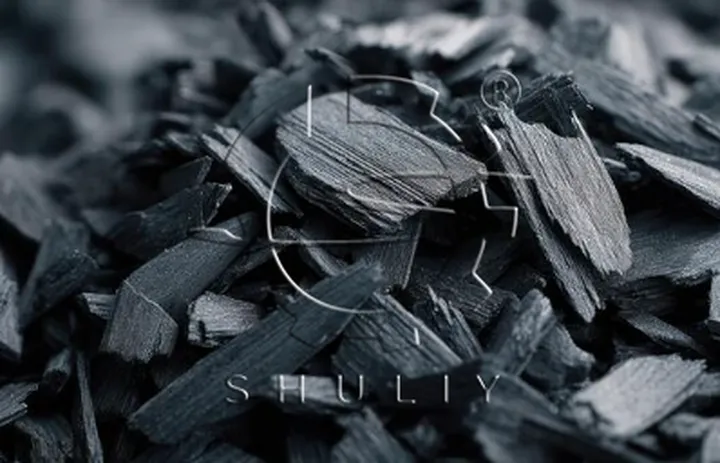
| Carbonized material | Typical source |
| Coconut shell charcoal | Coconut shells |
| Wood charcoal | Wood and forestry residues |
| Bamboo charcoal | Bambus |
| Nut shell charcoal | Various nut shells |
| Biomass charcoal | Agricultural and biomass residues |
Rotary Activation Furnace vs. Karbonisierungsofen
These two machines are often used in the same activated carbon production project, but they perform different jobs.
| Artikel | Kohlenisierungsofen | Rotary activation furnace |
|---|---|---|
| Main function | Convert biomass into charcoal | Activate carbonized material |
| Main process | Carbonization | Activation |
| Feed material | Biomass | Carbonized material |
| Main result | Charcoal/carbonized material | Activated carbon |
| Main purpose | Remove volatile components and concentrate carbon | Develop pore structure and improve adsorption |
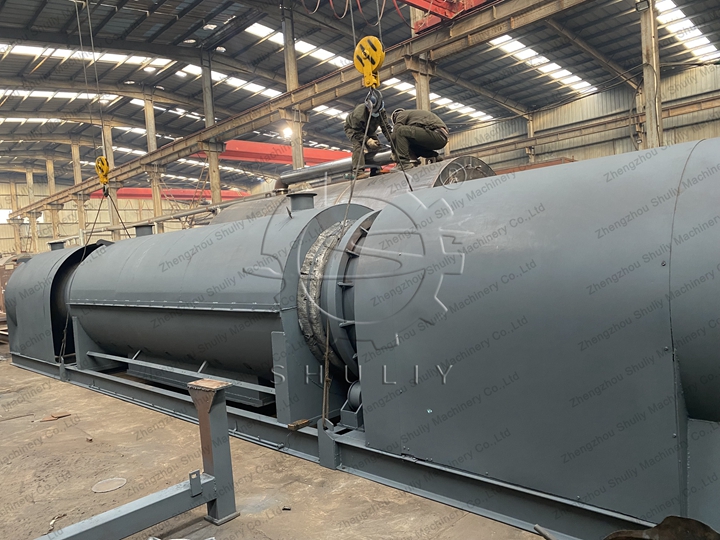
In a complete production process, carbonization and activation can therefore be treated as two separate stages rather than one operation.
Why Use a Rotary Design?
A rotary furnace continuously turns and transports the material as it passes through the processing zone. This design can provide several practical benefits for industrial production:
- Continuous material movement
- More even exposure to heat
- Better contact between the carbon material and the activation gas
- Adjustable residence time through process configuration
- Suitability for continuous production
- Easier integration with feeding, cooling, screening, and other equipment
For larger activated carbon projects, the furnace can also be incorporated into a complete production system according to the customer’s raw material, capacity, and product requirements.
Activated Carbon Production Applications
Activated carbon produced through the activation process is valued for its porous structure and adsorption properties. Depending on the final product specifications, it can be used in:
- Water and wastewater treatment
- Drinking water purification
- Air and gas purification
- Odor control
- Industrial adsorption
- Decolorization
- Solvent and chemical processing
Different applications require different activated carbon characteristics. For example, the desired pore structure and adsorption performance for water treatment may differ from those required for gas purification.
How to Choose a Suitable Activation Furnace?
Choosing the right equipment starts with the production requirements rather than the furnace size alone. Buyers should consider:
- Raw material: What type of charcoal or carbonized biomass will be activated?
- Kapazität: How many tons of raw material or activated carbon are required per day?
- Activation method: Will steam or another activation medium be used?
- Product requirements: What adsorption performance, particle size, and other specifications are required?
- Produktionsprozess: Will the furnace operate independently or together with carbonization, cooling, crushing, and screening equipment?
These factors help determine the appropriate furnace structure and process configuration.
Build a Complete Activated Carbon Production Solution
A Rotary Activation Furnace is only one part of an activated carbon production process. For projects starting with biomass, the complete process may include raw material preparation → carbonization → activation → cooling → crushing and screening → finished activated carbon.
By matching the equipment to the raw material and required output, manufacturers can develop a more suitable production process instead of using the same configuration for every project.
If you are planning an activated carbon production project, send us your raw material, required capacity, and intended activated carbon application. Our engineers can recommend a suitable activation process and equipment configuration for your project.
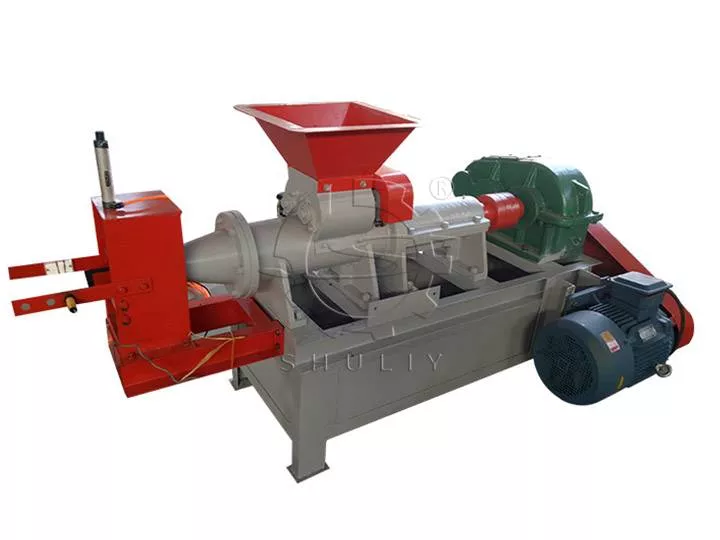
Kohlenstoff-Brikettiermaschine für die Brennstoffproduktionslinie
Die Holzkohlebrikettiermaschine ist dafür ausgelegt, Kohle oder… zu komprimieren
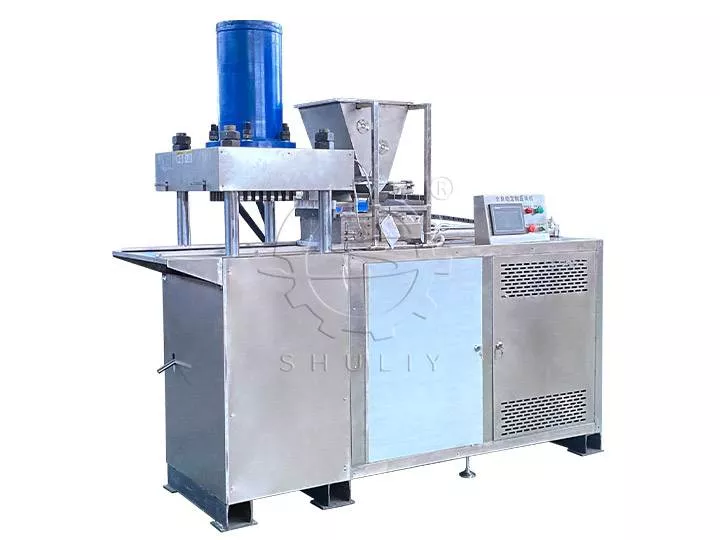
Edelstahl-Shisha-Kohlenstoffherstellungsmaschine für Hookah-Brikett-Tabletten
Die von der Shisha produzierten Wasserpfeifenkohletabletten aus Edelstahl...
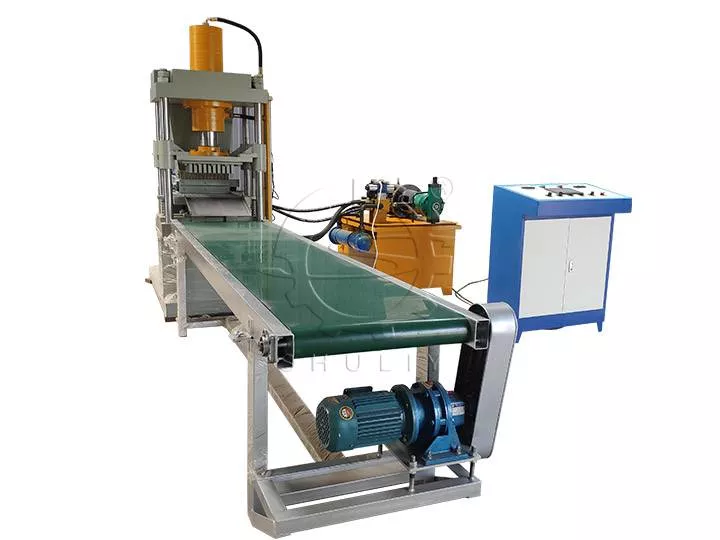
Hydraulische Shisha-Kohlenbrikettmaschine für die Kohleformung
Die hydraulische Shisha-Kohlebrikettiermaschine verwendet Hydrauliktechnologie, um…
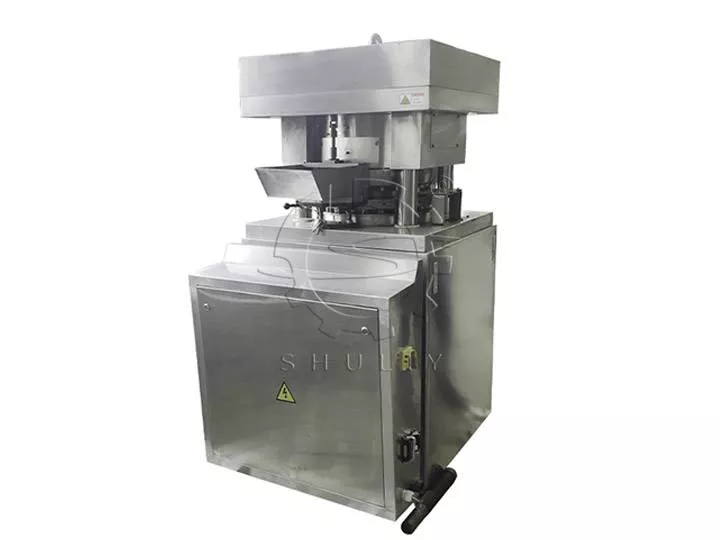
Rotierende Shisha-Kohlenherstellungsmaschine für Hookah-Briketts
Die rotierende Shisha-Kohlenherstellungsmaschine ist eine automatische Doppelpress-…
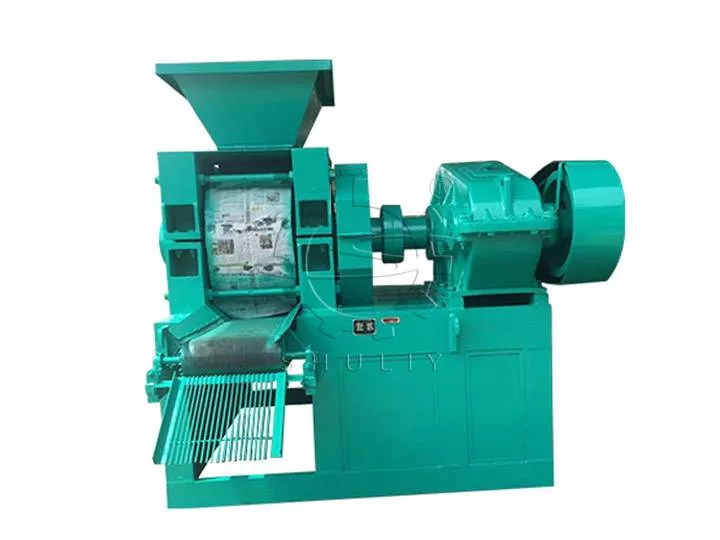
Kohlenstoffballenpresse für die BBQ-Industrie
Die Holzkohleball-Pressmaschinen sind dafür ausgelegt, lockere… zu komprimieren
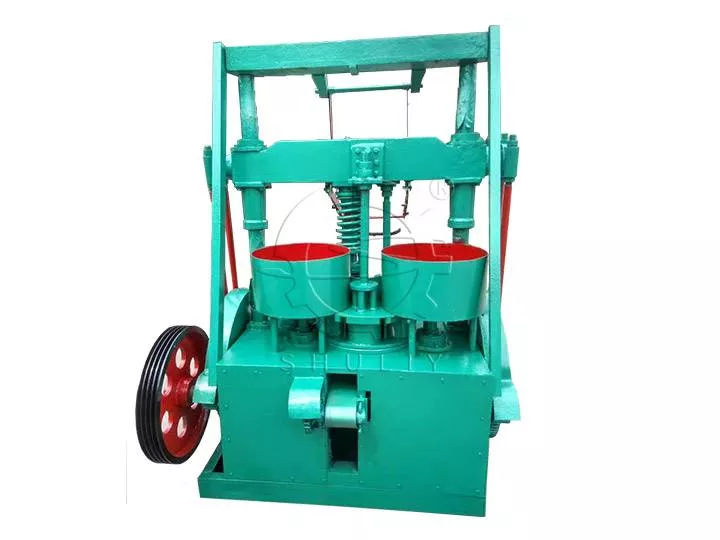
Waben-Kohlemaschine Für Brikett-Formungs-Produktionslinie
Die Waben-Kohlenmaschine dient dazu, die gut aufbereitete Kohle zu betrachten…
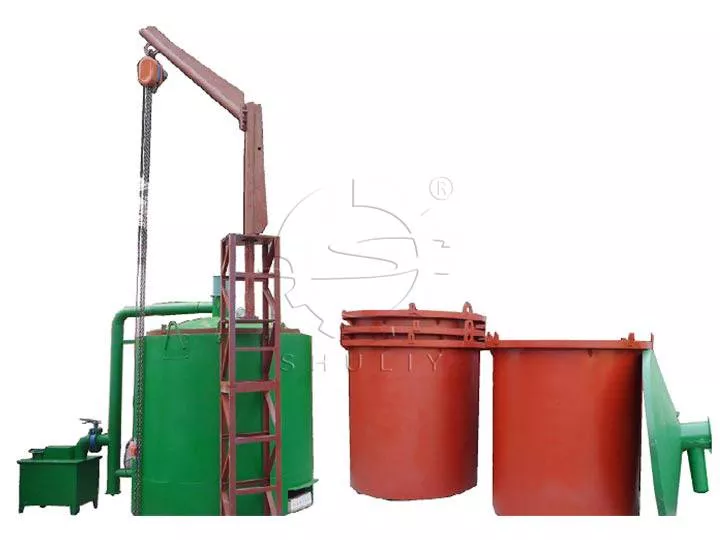
Vertikaler Hebe-Karbonisierungsofen für die Kohleherstellungsanlage
Der Hubkohlenstoffofen wird zum Verkohlen von Holz oder…
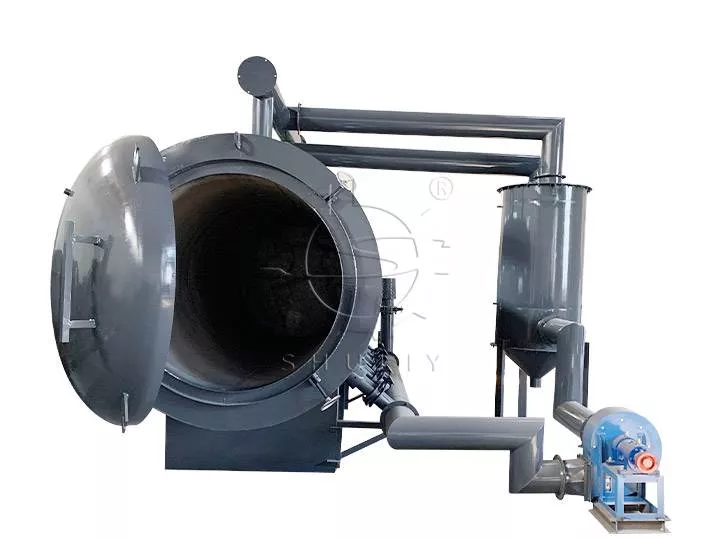
Horizontaler Karbonisierungsofen für die Verarbeitung von Briketts
Der horizontale Karbonisierungsofen ist eine Art Ausrüstung für…
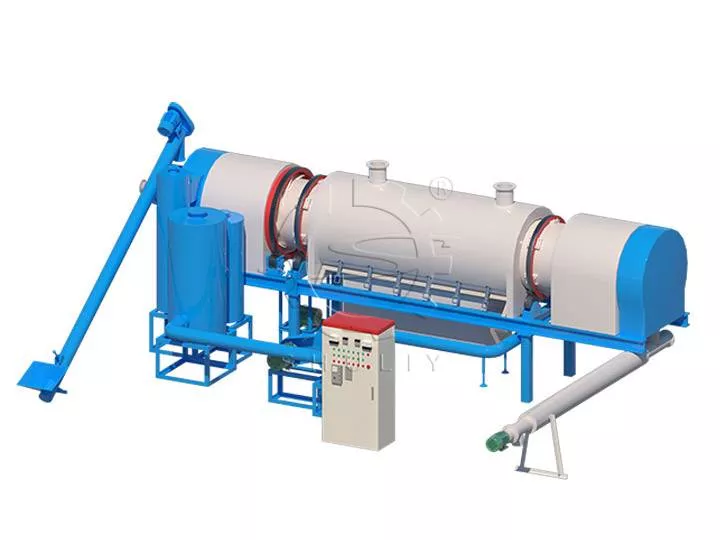
Kontinuierlicher Kohlenisierungsofen für die Herstellung von Reisschalenbriketts
Der kontinuierliche Holzkohlen-Karbonisierungsofen ist eine ideale Ausrüstung für trockenes…
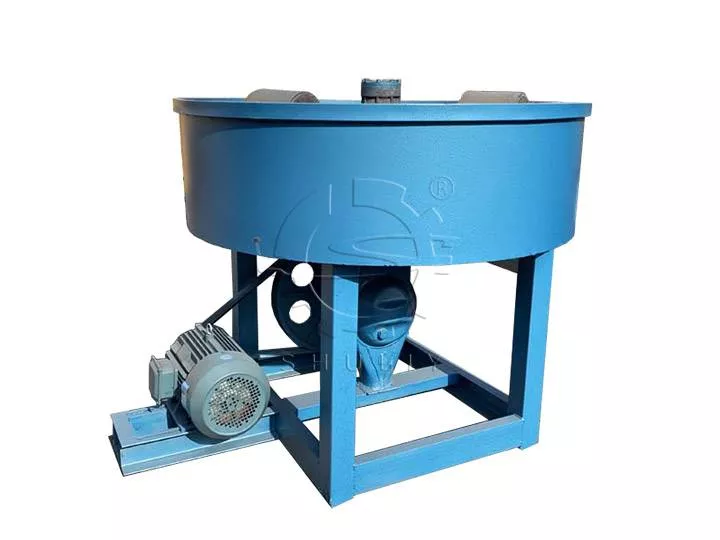
Kohlegemischmaschine für die Brikettformanlage
Die Holzkohle-Mischmaschine, auch bekannt als Mischmühle,…
Heißes Produkt
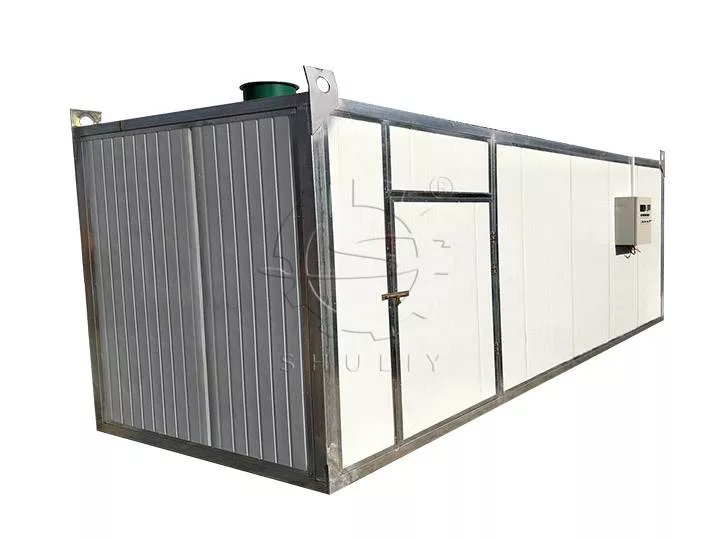
Brikett-Kohlen-Trockner Für Waben-Shisha-Kohle-Produktion
Unter Brikett-Holzkohletrockner versteht man die Verdunstung von…
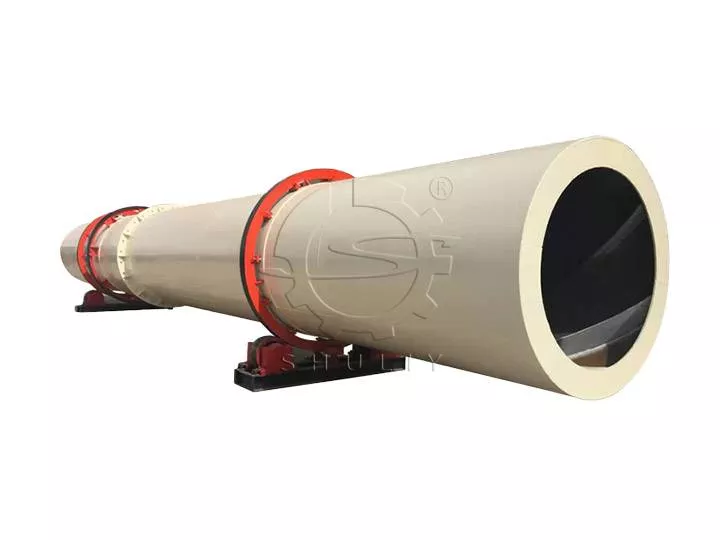
Rotations-Trommeltrockner für die Trocknung von Sägemehlpulver
Rotations-Trommeltrockner ist eine gängige industrielle…
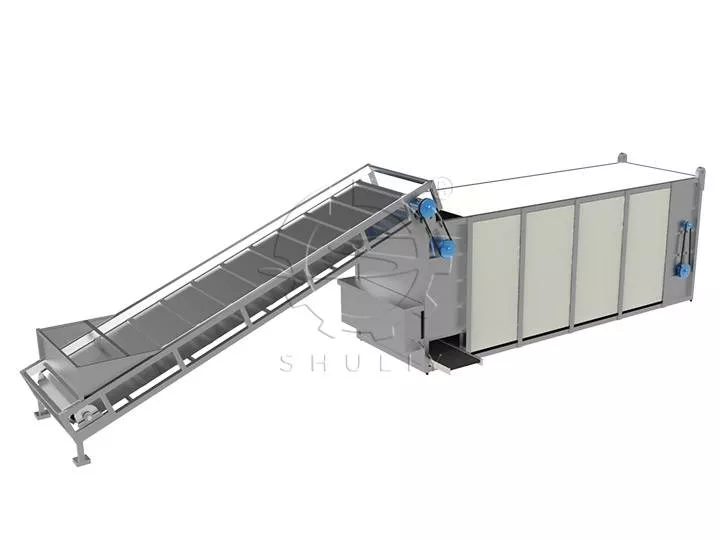
Kohlenstoffbrikett-Meshbandtrockner für kontinuierliche Trocknungsanlage
Der Bandtrockner für Holzkohlebriketts ist ein kontinuierlicher…
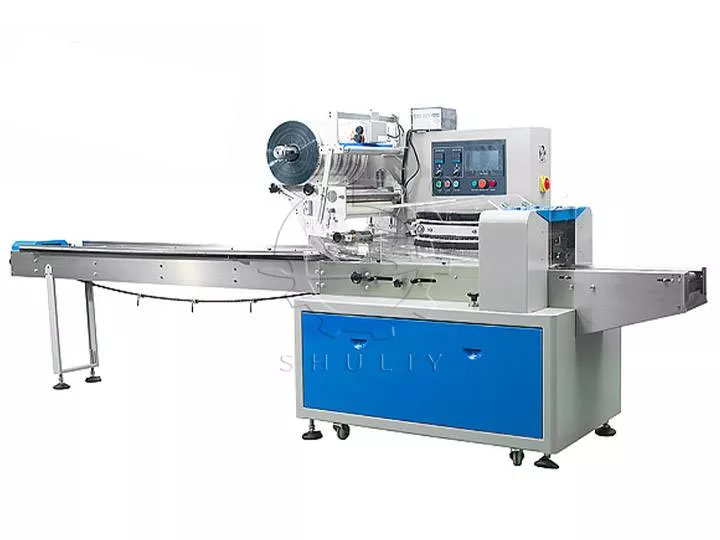
Multifunktionale Shisha-Hookah-Kohlenstoffverpackungsmaschine zum Verkauf
Die Hookah-Holzkohle-Verpackungsmaschine ist eine spezielle Ausrüstung…
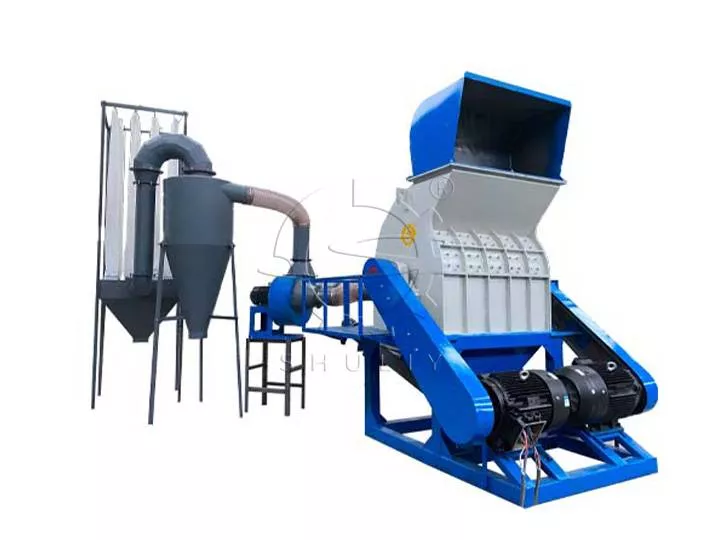
Großer Hammermühlenbrecher in der Sägemehlherstellungsanlage
Die Holz-Hammermühle zerkleinert durch Nutzung von…
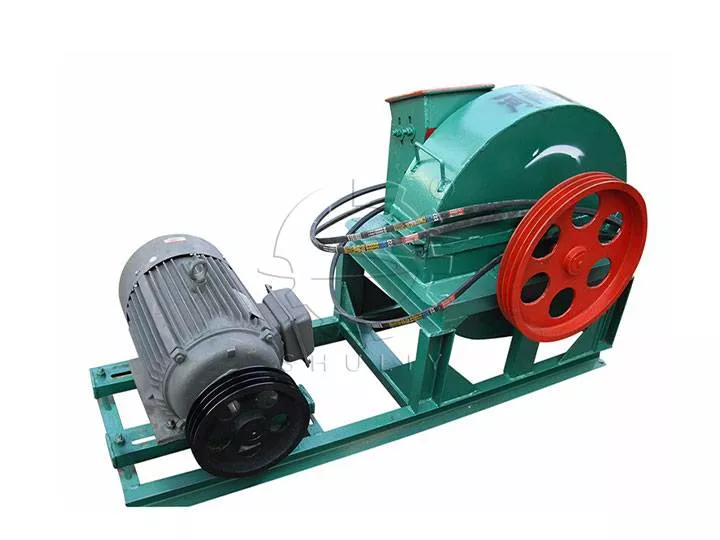
Holzspänemaschine für Tierbettwäsche
Die Holzhobelmaschine ist für die Bearbeitung von… bestimmt.
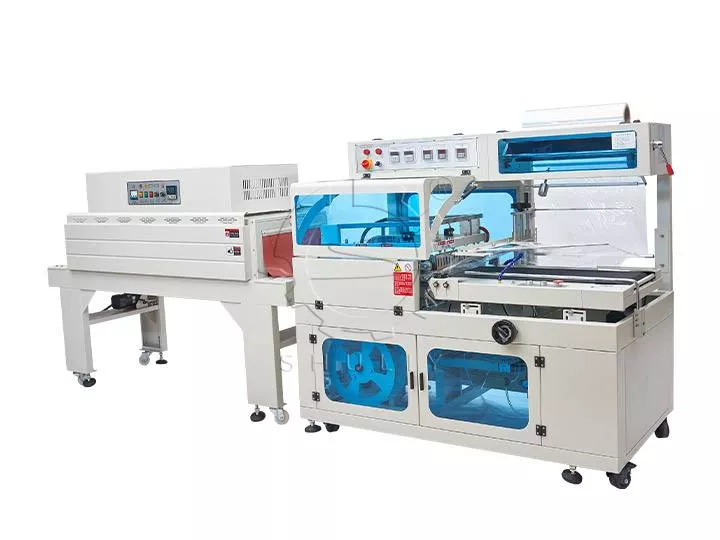
Automatisierte Wärmeschrumpffolie-Kohlenstoff-Brikettverpackungsmaschine
Schrumpf-Holzkohlebrikett-Verpackungsmaschinen eignen sich gut für…
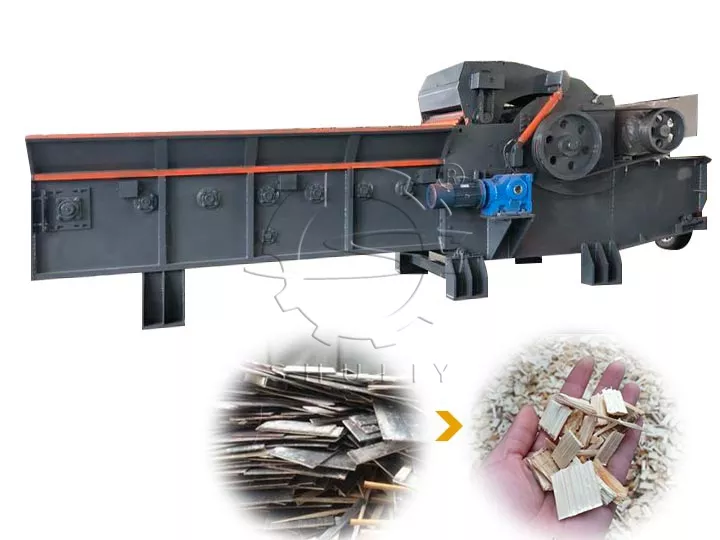
Umfassender Brecher mit großer Kapazität Holzzerkleinerungsmaschine
Der umfassende Brecher ist darauf ausgelegt, zu zerlegen…
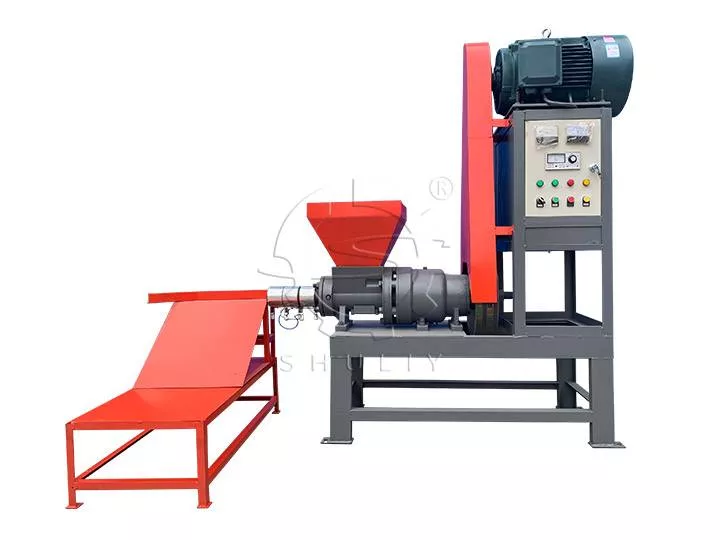
Sägemehl-Brikettmaschine für Biomasse-Kohlenstoffverarbeitungsanlage
Eine Maschine zur Herstellung von Biomasse-Holzkohle kann extrudieren und formen…