Charcoal Carbonization Machine FAQ
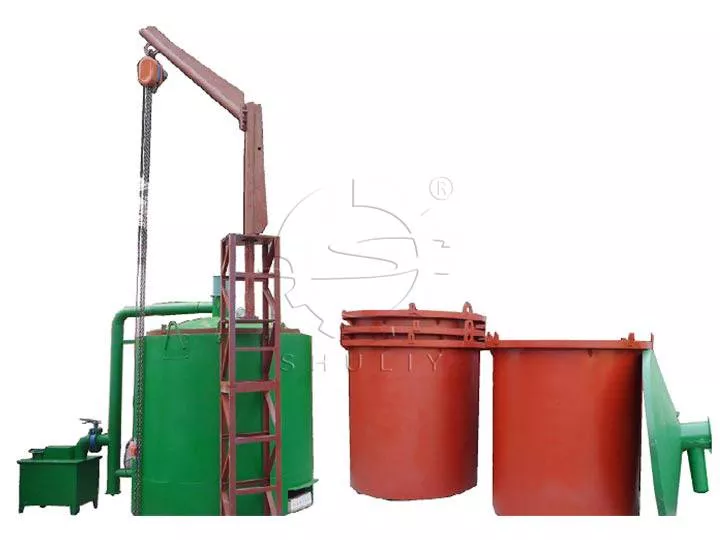
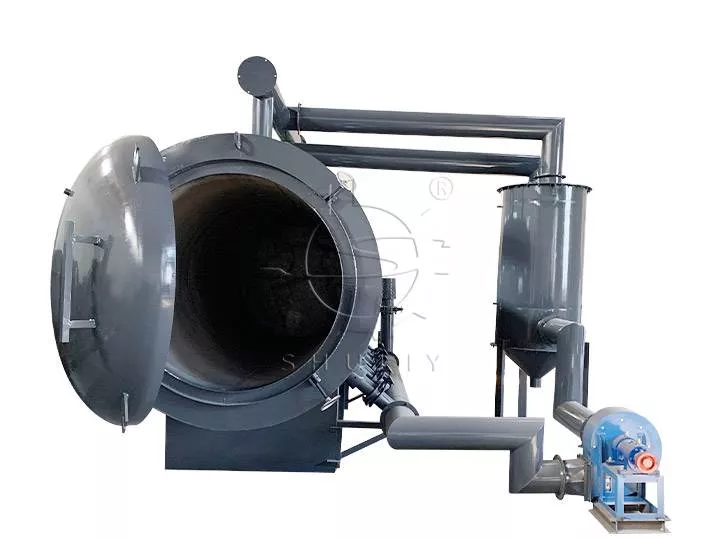
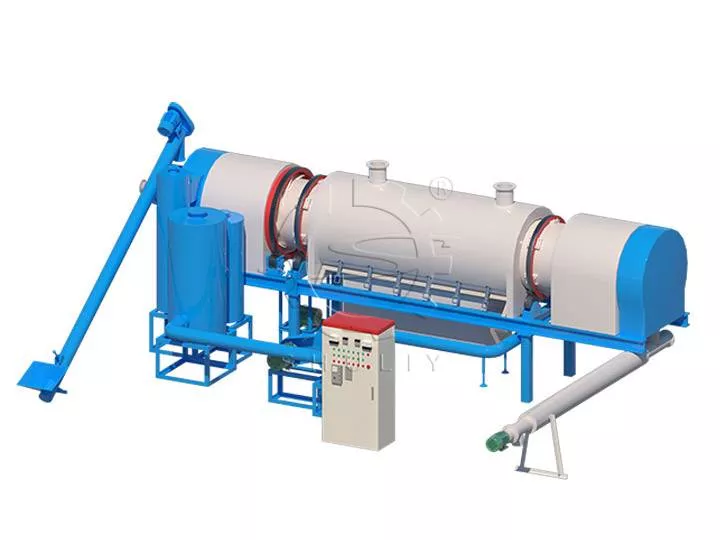
The charcoal carbonization machine converts wood, bamboo, sawdust, coconut shells, and other suitable biomass materials into charcoal through a controlled carbonization process.
For buyers planning to start or expand a charcoal production business, understanding the machine’s raw material requirements, capacity, fuel consumption, and operation is essential.
What Is a Charcoal Carbonization Machine?
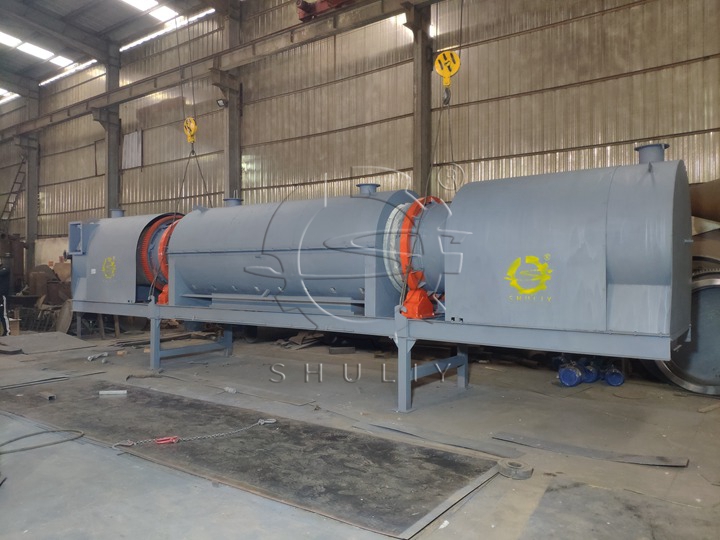
The charcoal making machine is equipment used to heat biomass materials in a controlled, low-oxygen environment. During the process, moisture and volatile components are removed, leaving carbon-rich charcoal.
It can be used for processing materials such as:
- Holz
- Bambus
- Sawdust
- Rice husks
- Coconut shells
- Palm shells
- Other suitable biomass waste
The exact raw materials depend on the machine configuration and the required charcoal quality.
Does the Raw Material Need to Be Dried?
Yes. Excessive moisture can increase energy consumption and affect carbonization efficiency.
For materials such as sawdust, rice husks, and other agricultural residues, drying may be necessary before carbonization. The appropriate moisture level depends on the material and production process.
For wet raw materials, a biomass dryer can be added before the carbonization stage.
How Long Does Carbonization Take?
Carbonization time depends on:
- Raw material type
- Material size
- Feuchtigkeitsgehalt
- Chamber capacity
- Erwärmungstemperatur
- Machine design
Dense materials such as wood logs may require a different processing time from sawdust or smaller biomass particles. Therefore, there is no single carbonization time suitable for every raw material.
What Is the Capacity of a Charcoal Carbonization Machine?
Machine capacity varies according to the model and raw material.
Small machines are suitable for startups, farms, and small charcoal producers, while larger or continuous systems are designed for commercial production.
When selecting capacity, buyers should consider daily raw material availability and target charcoal output, rather than choosing the largest machine available.
Can the Machine Produce High-Quality Charcoal?
Yes. Proper control of raw material moisture, heating conditions, carbonization time, and cooling can help produce consistent charcoal.
The final charcoal quality also depends heavily on the raw material. For this reason, testing the customer’s biomass before purchasing equipment can help determine the most suitable configuration.
Is a Charcoal Carbonization Machine Suitable for Small Businesses?
Yes. Small-scale carbonization equipment can be suitable for:
- Small charcoal businesses
- Farms
- Biomass recycling businesses
- Rural fuel producers
- Small processing workshops
As production increases, businesses can consider larger or continuous carbonization systems.
What Should I Consider Before Buying a Charcoal Carbonization Machine?
Buyers should provide the supplier with the following information:
- Raw material type
- Feuchtigkeitsgehalt des Rohmaterials
- Available raw material quantity
- Required charcoal output
- Expected working hours
- Available electricity and fuel conditions
- Required automation level
These details help determine the appropriate machine model and production configuration.
What Products Can Be Made After Carbonization?
The charcoal produced by a Maschine zur Karbonisierung von Holzkohle can be used directly as fuel or further processed into other products.
Common applications include:
- BBQ charcoal
- Charcoal briquettes
- Industrial fuel
- Activated carbon raw material
- Biomass fuel products
Further processing depends on the charcoal quality and the customer’s target market.
Abschluss
A Maschine zur Karbonisierung von Holzkohle provides an efficient way to convert wood and other biomass materials into charcoal. However, machine selection should be based on raw material characteristics, production capacity, moisture content, energy requirements, and the desired final product.
For buyers planning a charcoal production project, confirming these factors before purchasing can help avoid overcapacity, unnecessary costs, and unsuitable equipment configurations.