Как сделать уголь из ореховой скорлупы грецкого ореха?
Хотите производить уголь по низкой цене? Обратите внимание на сельскохозяйственные отходы — ореховые скорлупы, которые раньше считались низкосортным побочным продуктом, теперь являются высококачественным сырьем для производства угля.
В этой статье объясняется, почему ореховые скорлупы можно превращать в уголь, их преимущества и области применения, как производить уголь с помощью печей на углеродных стержнях и является ли этот бизнес прибыльным.
Почему ореховые скорлупы можно использовать для производства угля?
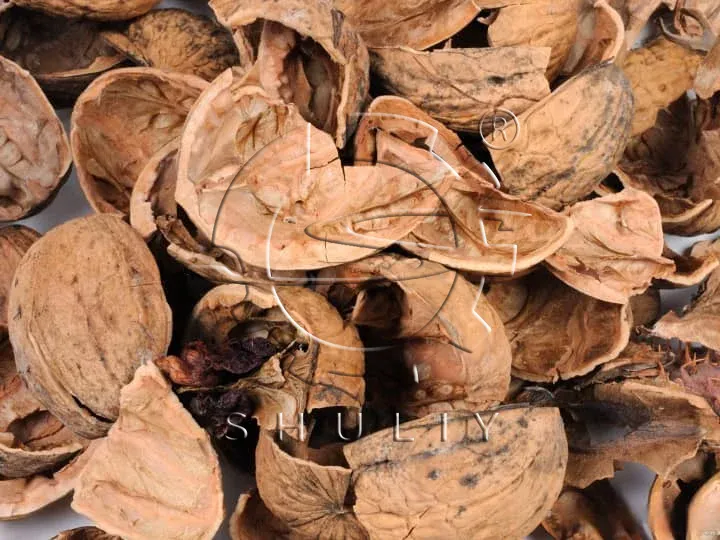
Ореховые скорлупы естественно подходят для карбонизации благодаря своим физическим и химическим свойствам.
- Ореховые скорлупы имеют высокий содержание фиксированного углерода и низкое содержание летучих примесей, что позволяет им образовывать стабильный уголь при высокотемпературном пиролизе.
- Ореховые скорлупы имеют низкое содержание золы, что способствует повышению эффективности сгорания и снижению остатков после горения.
- С экологической точки зрения, ореховые скорлупы — возобновляемый и широко доступный сельскохозяйственный побочный продукт, что делает их идеальным сырьем для устойчивого производства древесного угля.
Преимущества угля из ореховой скорлупы.
По сравнению с обычным углем, уголь из ореховой скорлупы обладает следующими преимуществами:
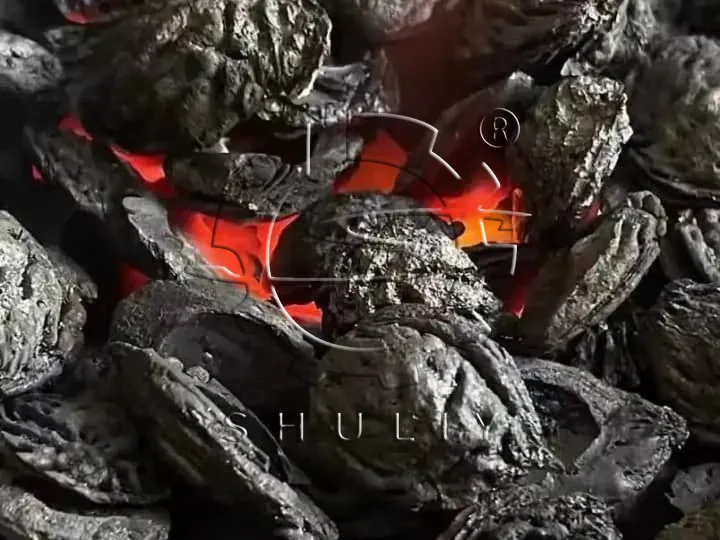
- Высокая теплотворная способность и длительное время горения
- Малое количество дыма и запаха, подходит для использования в чистой энергии.
- Высокая механическая прочность и легко не ломается.
- Однородная структура углерода, легкая дальнейшая активация
Эти свойства делают уголь из ореховой скорлупы особенно подходящим для передовой обработки, такой как производство активированного угля.
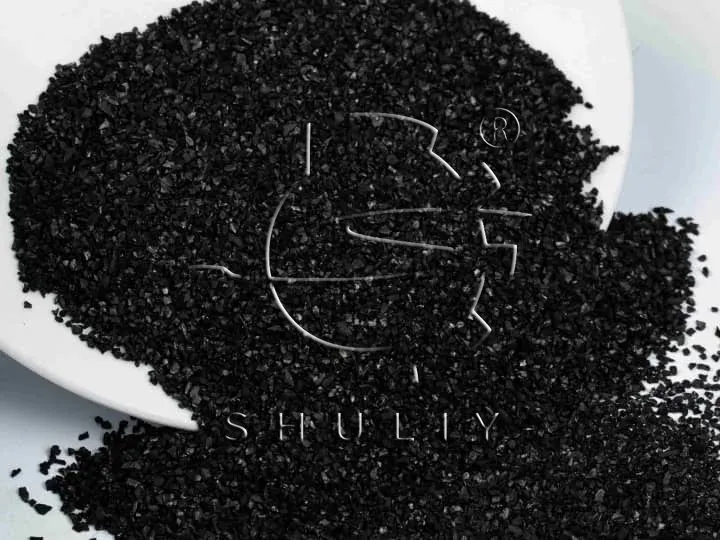
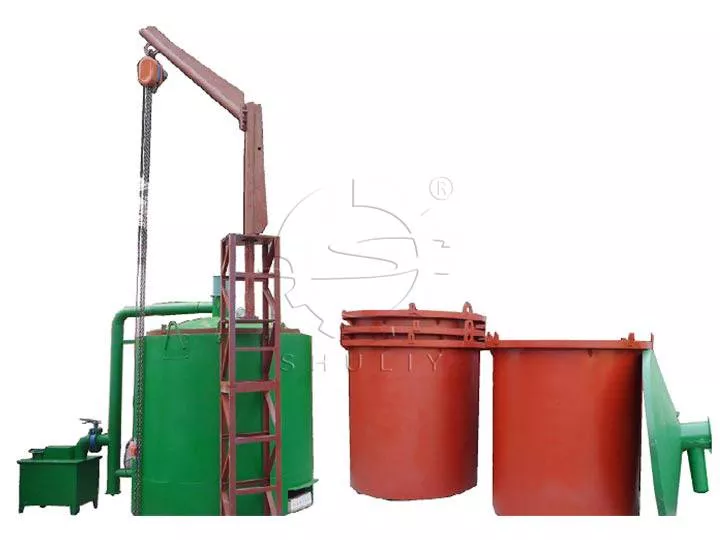
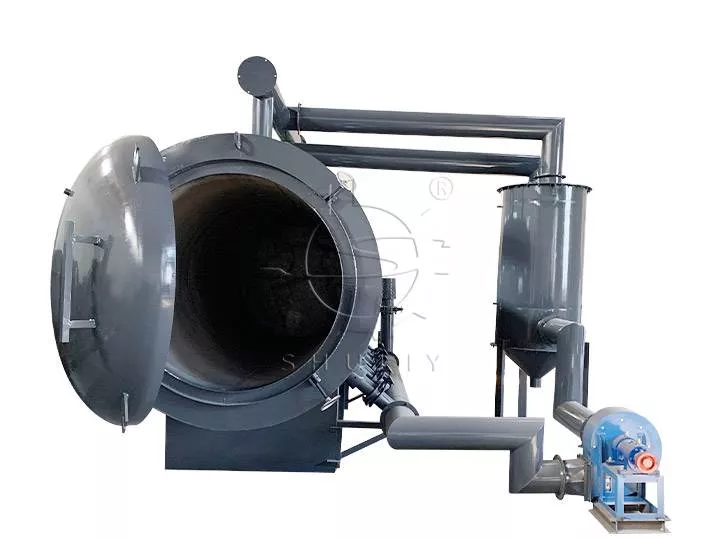
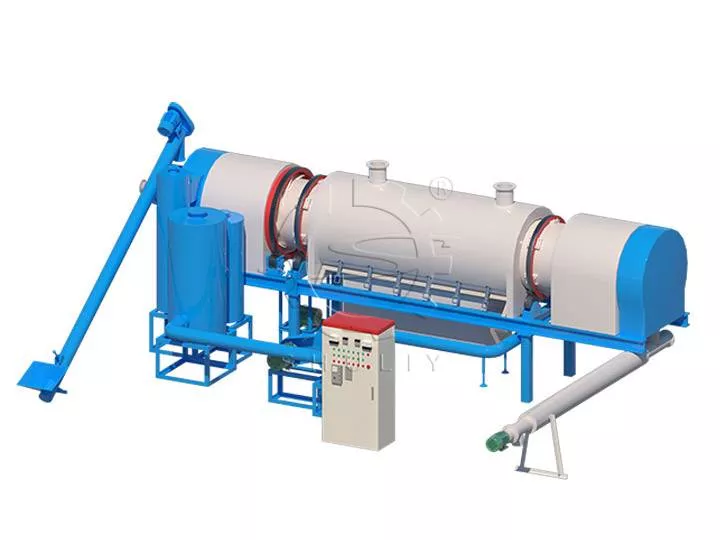
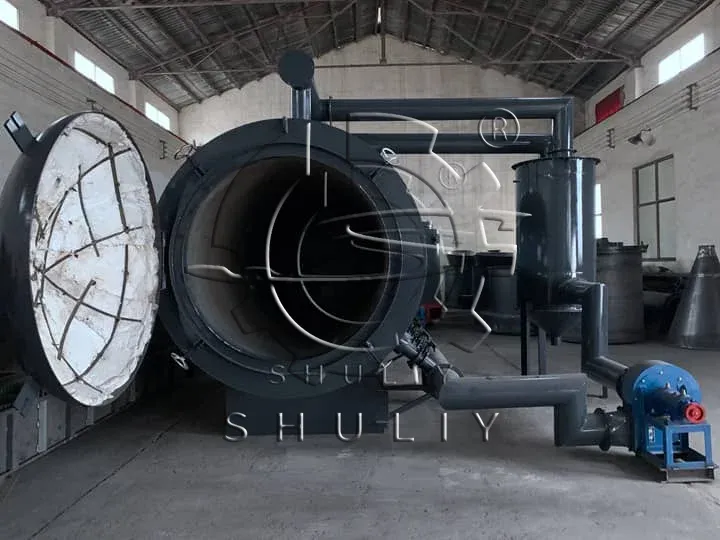
Как сделать уголь из ореховых скорлуп — печь на углеродном стержне.
Печь для карбонизации — это высокоэффективный и стабильный метод превращения ореховых скорлуп в высококачественный уголь с низкими инвестициями и высокой отдачей.
Конкретный процесс производства следующий:
- Шаг 1: Очистите и высушите ореховые скорлупы, чтобы обеспечить стабильный процесс карбонизации.
- Шаг 2: Загрузите ореховые скорлупы в печь, затем нагревательные стержни обеспечивают равномерное и управляемое тепло.
- Шаг 3: При ограниченных условиях кислорода при температуре примерно 400–600°C ореховые скорлупы проходят пиролиз, постепенно превращаясь в уголь.
- Шаг 4: После карбонизации уголь охлаждается естественным образом или с помощью системы охлаждения, чтобы предотвратить окисление.
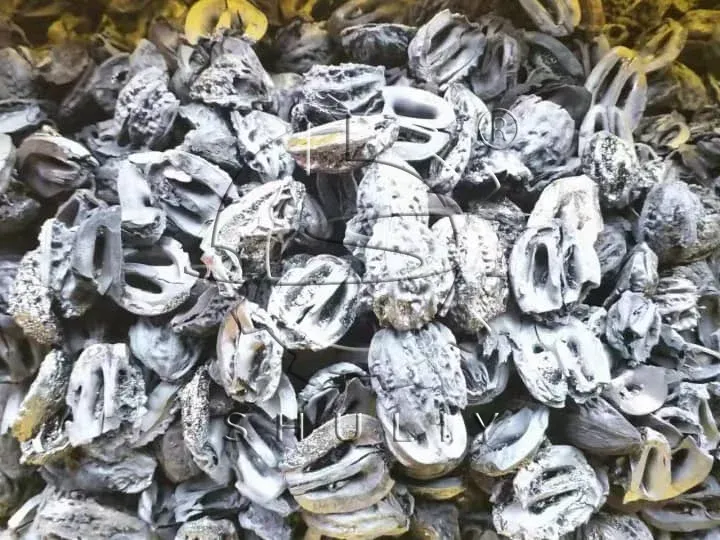
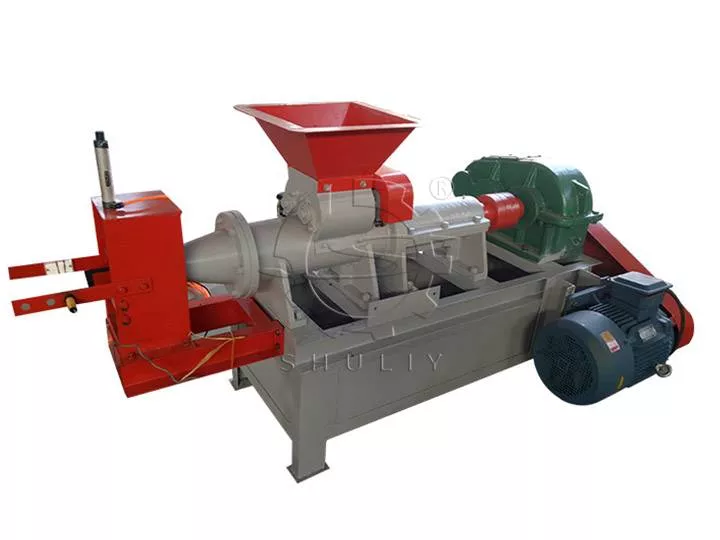
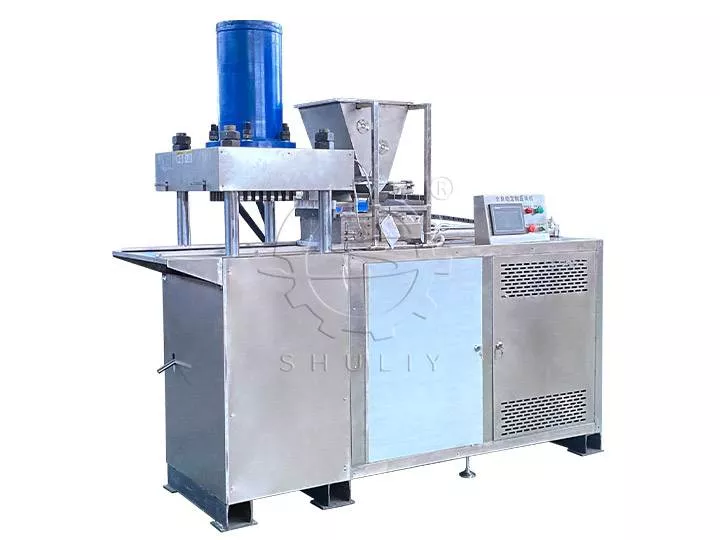
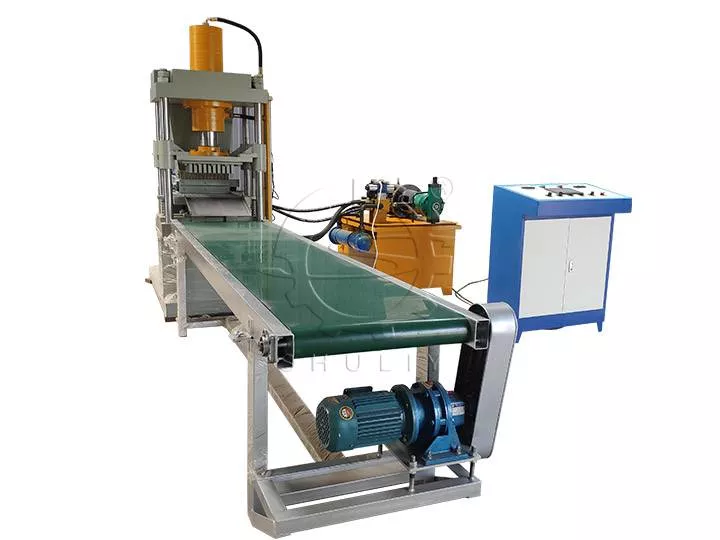
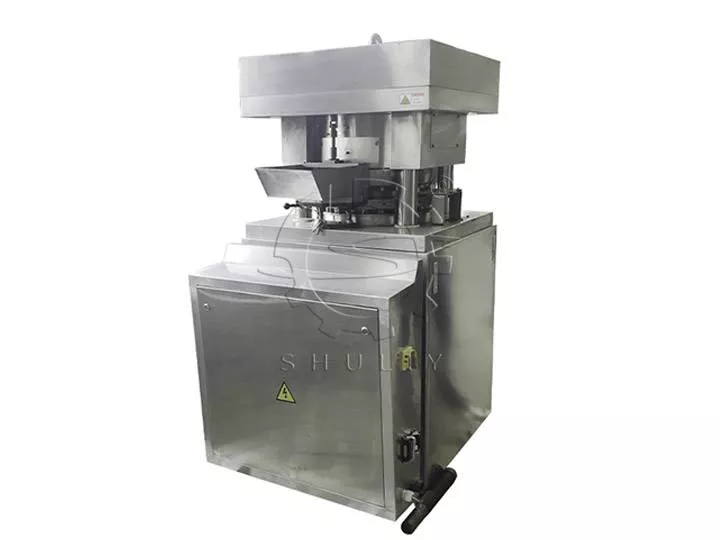
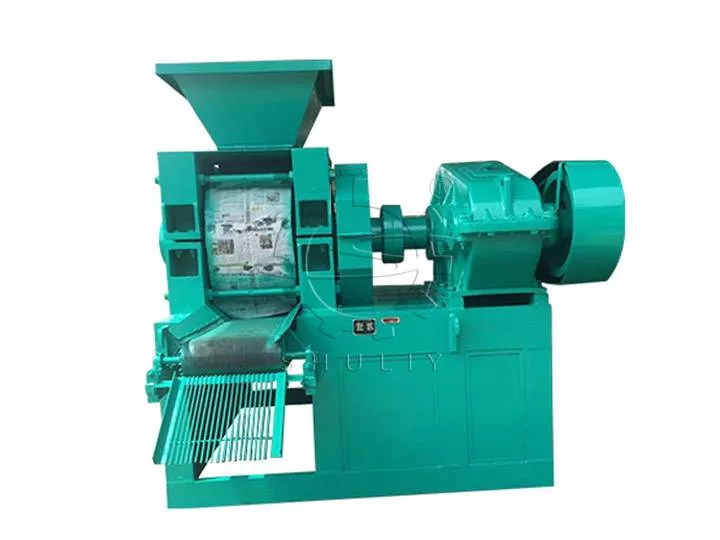
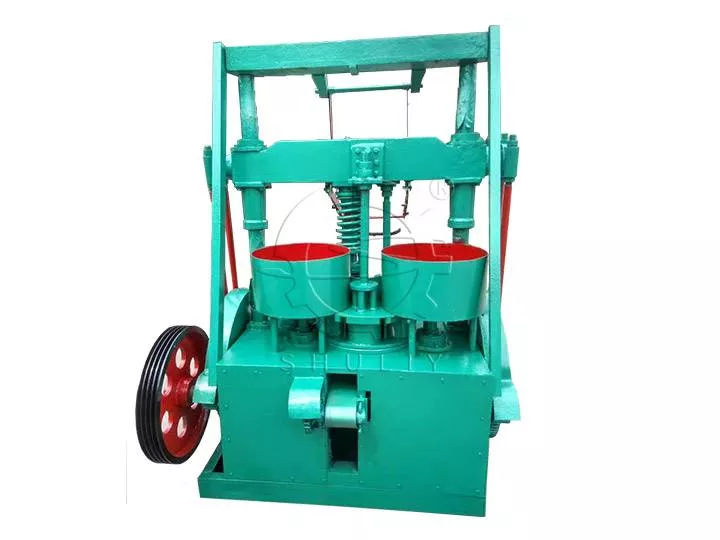
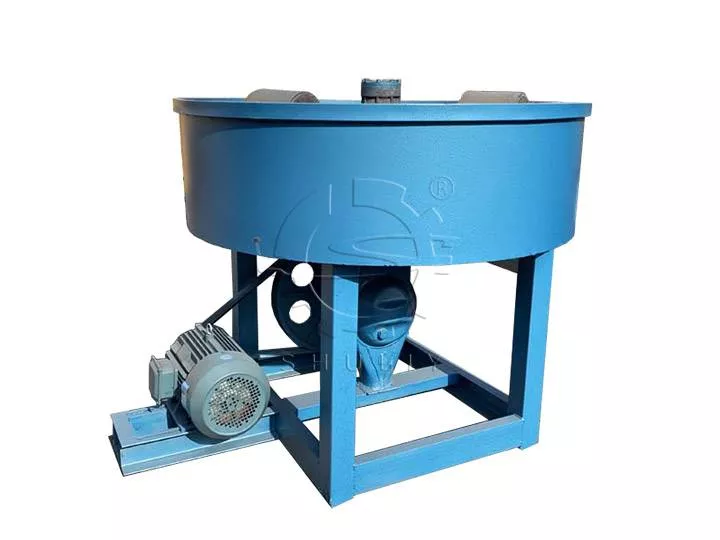
В зависимости от конечного использования, уголь можно измельчить, просеять или активировать. Его можно превратить в угольный порошок (Машина для измельчения угля) или позже сформировать в плотный уголь (Пресс для брикетов из угля).
Прибыльно ли производство угля из ореховых скорлуп?
Производство угля из ореховых скорлуп считается высокодоходной биомассной отраслью, особенно при использовании печи на углеродном стержне, которая помогает производить высококачественные углеродные продукты.
Стоимость сырья низкая (обычно сельскохозяйственные отходы), что обеспечивает значительную прибыль. Кроме того, существует высокий спрос на биоуголь и активированный уголь, а производство угля из ореховых скорлуп соответствует глобальной политике экологического управления.
Печи для брикетирования угля Shuliy имеют низкое энергопотребление и стабильную работу. Тепло, выделяемое во время производства, может быть переработано, что значительно снижает необходимость внешнего источника тепловой энергии.
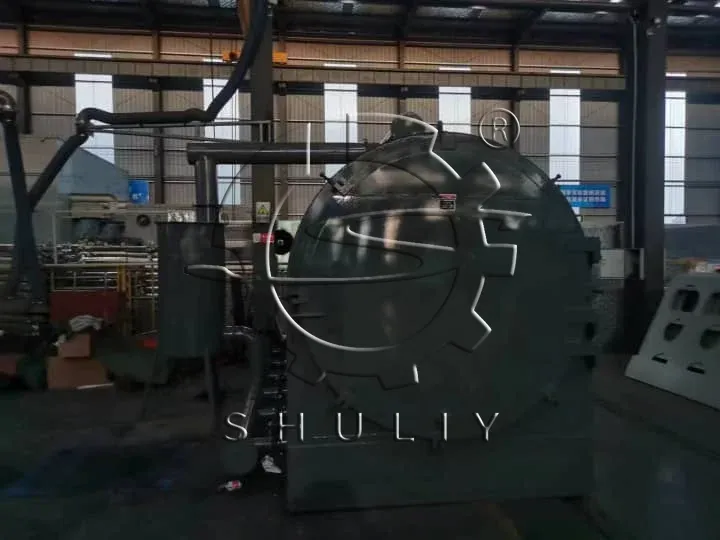
Следовательно, такие инвестиции приносят больше и стабильнее прибыли, чем традиционное производство угля. Если вы хотите узнать больше о последних данных и ценах на печи на углеродных стержнях, пожалуйста, перейдите по ссылке: Горизонтальная печь для карбонизации или свяжитесь с нами напрямую.