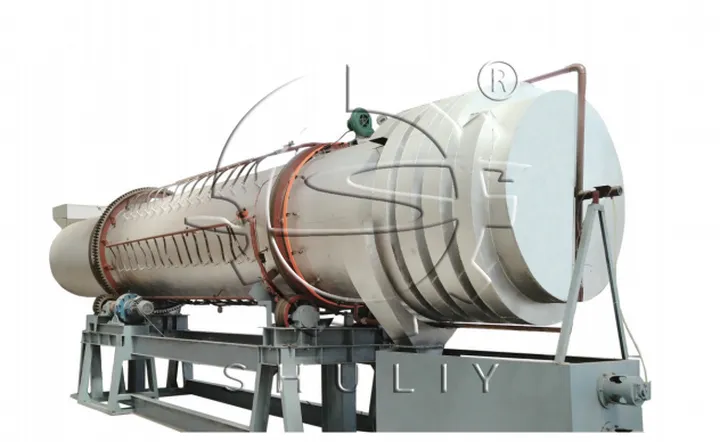
Activated Carbon Activation Furnace for Coconut Shell Charcoal
Coconut shell charcoal is widely used as a carbonaceous raw material, but its value can be increased further through activation. For businesses that already produce or source coconut shell charcoal, an activated carbon activation furnace provides a way to convert the charcoal into activated carbon with a developed pore structure and improved adsorption performance.
Rather than treating coconut shells only as biomass waste, this process creates an additional route for value-added carbon production.
Why Coconut Shell Charcoal Is Suitable for Activated Carbon
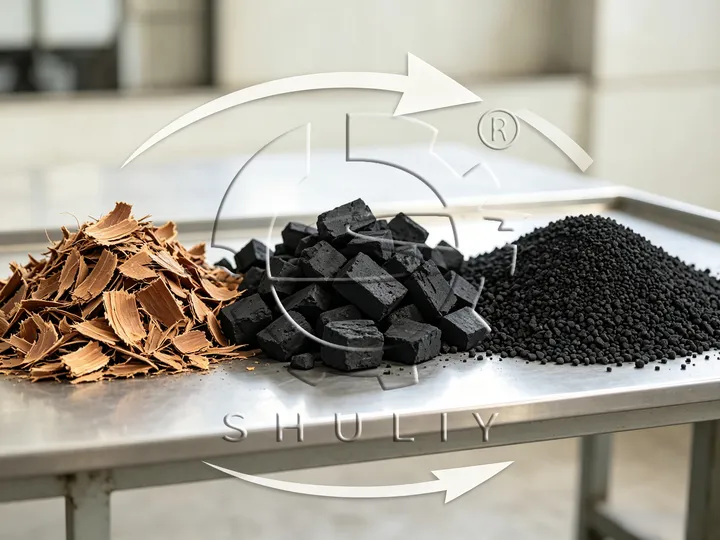
Coconut shells have a relatively dense structure and high fixed-carbon content after carbonization, making coconut shell charcoal a common raw material for activated carbon production.
The basic process can be divided into two stages:
Coconut shells → Carbonization → Coconut shell charcoal → Activation → Activated carbon
Carbonization removes most of the volatile components from the coconut shells and produces charcoal. However, carbonized charcoal does not yet have the pore structure required for many activated carbon applications.
Activation is therefore an important second processing step.
What Does an Activated Carbon Activation Furnace Do?
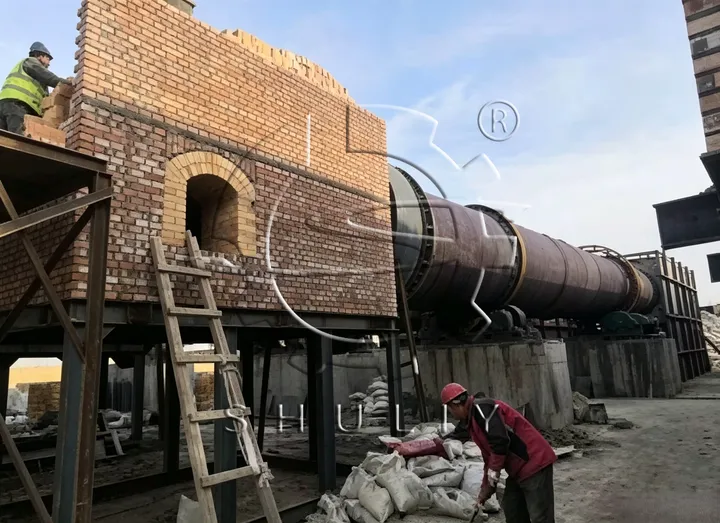
An industrial activated carbon furnace uses controlled high-temperature conditions to further develop the internal pore structure of coconut shell charcoal.
During activation, the charcoal reacts with an activating atmosphere, allowing parts of the carbon structure to be removed and creating additional pores. The resulting activated carbon can have a much larger internal surface area than the original charcoal.
The activation conditions need to be controlled according to the raw material and the desired properties of the final product. Temperature, residence time, feeding rate, and gas conditions can all affect the activation result.
From Coconut Shell Charcoal to Higher-Value Carbon
For coconut processing businesses, activation can provide another use for coconut shell charcoal beyond direct fuel applications.
After activation, the material can be processed into activated carbon products for applications such as:
- Water purification
- Industrial wastewater treatment
- Gas and air purification
- Odor removal
- Chemical processing
- Certain industrial adsorption processes
The exact performance and application of the activated carbon depend on the raw material, activation conditions, and subsequent processing.
This makes the activation stage particularly important for producers who want to develop activated carbon with properties suited to a specific market.
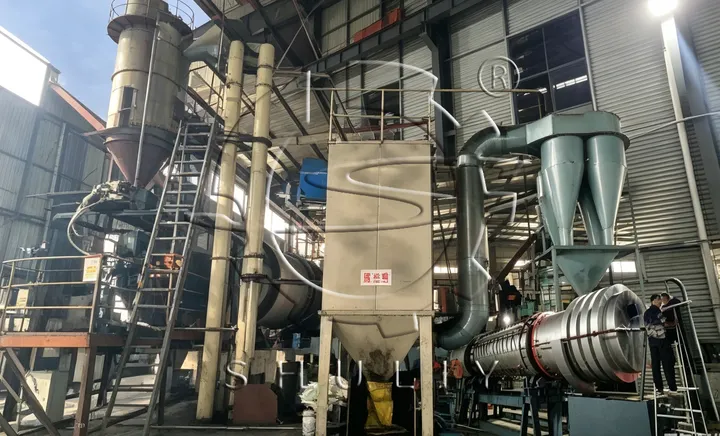
Activated Carbon Activation Furnace for Continuous Activated Carbon Processing
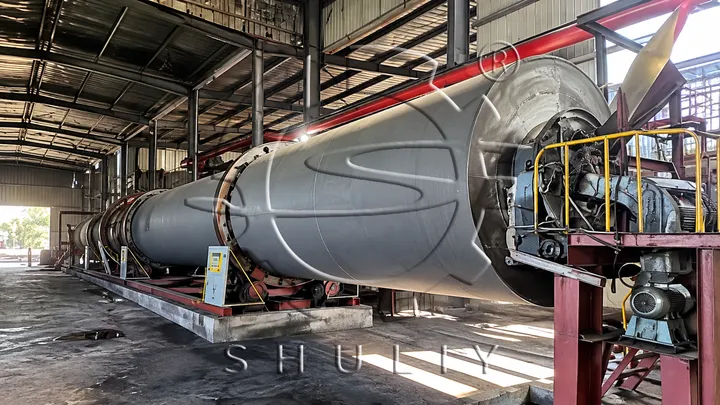
A rotary activation furnace can be used for the continuous or controlled processing of carbonized materials. Coconut shell charcoal enters the furnace and moves through the heated activation chamber while being exposed to the required activation conditions.
Compared with simple batch heating, a rotary configuration can provide continuous material movement and more consistent contact between the charcoal and the activation atmosphere.
For commercial production, the furnace can be designed according to factors such as:
- Required activated carbon capacity
- Coconut shell charcoal characteristics
- Activation temperature
- Residence time
- Heating method
- Desired final carbon properties
The appropriate configuration should therefore be selected according to the customer’s raw material and production requirements rather than capacity alone.
Turning Coconut Shell Charcoal into Activated Carbon
If you are processing coconut shell charcoal and planning an activated carbon project, Taizy Machinery can provide an activated carbon activation furnace solution according to your raw material, capacity, and processing requirements. Contact us to discuss your project and receive a suitable equipment configuration.